


HOLR HIGHLIGHTS
The key details readers need to know.
- Multiple reports suggest Apple is testing a smaller Dynamic Island for at least the iPhone 18 Pro models.
- Rumors of a completely bezel-free iPhone have faded, with recent leaks indicating the Dynamic Island isn’t disappearing just yet.
- Apple is reportedly working toward under-display Face ID, but the technology may not be ready for the iPhone 18.
- Several trusted analysts agree a redesign is being tested, although there are conflicting reports about how significant the changes will be.
August 1, 2026
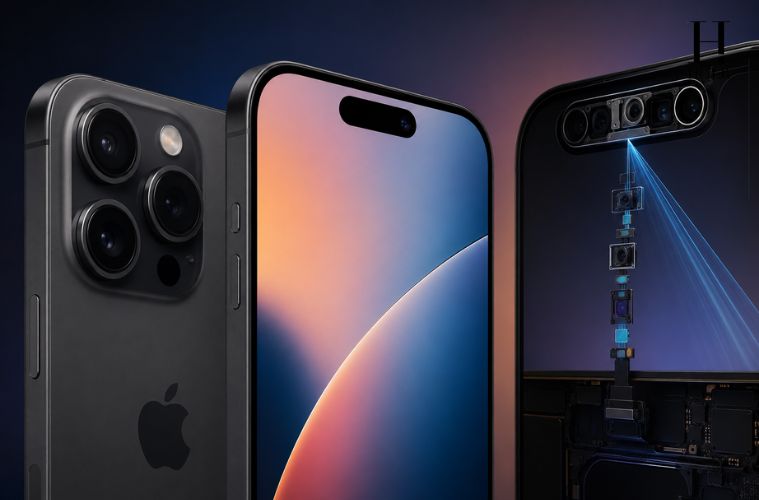
Apple’s Dynamic Island could be getting its biggest redesign since it debuted in 2022. Here’s what the latest iPhone 18 leaks actually say, which reports are credible, and why the rumors keep changing.
The Dynamic Island wasn’t supposed to become one of Apple’s biggest design talking points.
When it debuted on the iPhone 14 Pro in 2022, many people assumed it would simply replace the notch. Instead, Apple turned a hardware cutout into an interactive feature that displays music controls, timers, incoming calls, ride-sharing updates and dozens of other Live Activities.
Three years later, it’s still one of the most recognizable parts of the iPhone.
Now, attention has shifted to the iPhone 18, where a growing number of reports suggest Apple could finally make the Dynamic Island smaller. That doesn’t necessarily mean it’s disappearing, and that’s where many of the rumors have become confusing.
Some reports point toward a noticeable redesign. Others suggest Apple has delayed those plans. A few even claim the company is working toward an iPhone with no visible cutout at all.
So what is Apple actually planning?
Here’s what the latest leaks, analysts and supply-chain reports reveal.
Why Is Everyone Talking About the Dynamic Island Again?
Unlike yearly camera upgrades or faster processors, the Dynamic Island changes the way people interact with their iPhone every day.
It’s one of the first things users see when they unlock their phone. It displays notifications differently than previous iPhones, expands into apps, and has become deeply integrated into iOS.
That’s also why every rumor about changing it attracts so much attention.
Apple rarely redesigns the front of the iPhone. When it introduced the notch on the iPhone X, that design stayed largely unchanged for five years before the Dynamic Island arrived.
Now, reports suggest Apple could be preparing another step toward a cleaner display.
The Biggest iPhone 18 Rumor
The strongest rumor isn’t that Apple is removing the Dynamic Island.
It’s that Apple is shrinking it.
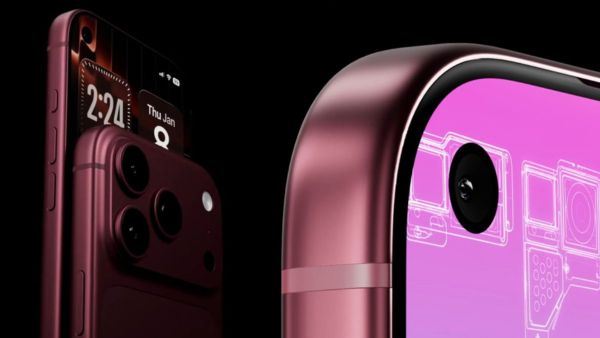
Over the past several months, multiple reports from respected Apple publications and analysts have suggested the company is working on reducing the size of the pill-shaped cutout, particularly on the iPhone 18 Pro lineup.
Jeff Pu was among the first analysts to suggest Apple planned to move part of its Face ID hardware beneath the display. That change would leave fewer visible components at the top of the screen, allowing Apple to reduce the size of the Dynamic Island without removing it completely.
Gizbot News
Later reports echoed similar claims, making this one of the more consistent rumors surrounding the iPhone 18.
What remains unclear is exactly how much smaller it could become.
Some reports describe the change as subtle.
Others suggest the redesign could be immediately noticeable.
Apple, of course, hasn’t confirmed any of it.
Why Can’t Apple Just Remove the Dynamic Island?
This is where many headlines oversimplify the story.
The Dynamic Island isn’t simply a software feature.
It’s covering some of the most important hardware inside the iPhone.
Behind that black pill are several components that make Face ID work, including infrared sensors, a dot projector, cameras and other technology that allows the phone to securely recognize its owner in seconds.
Moving those components underneath the display isn’t as simple as hiding a selfie camera.
Unlike light passing through a camera lens, Face ID relies on infrared technology that becomes much harder to read through an OLED display.
Apple has reportedly spent years trying to solve that problem.
Industry analysts believe the company is making progress, but not enough to eliminate every visible sensor.
That’s why recent rumors focus on making the Dynamic Island smaller rather than removing it altogether.
Face ID Could Be the Key
Nearly every major report points to the same piece of technology.
Under-display Face ID.
Rather than redesigning the entire front of the iPhone overnight, Apple appears to be testing ways to hide certain Face ID components beneath the display while leaving others visible.
One of the most frequently mentioned components is the flood illuminator.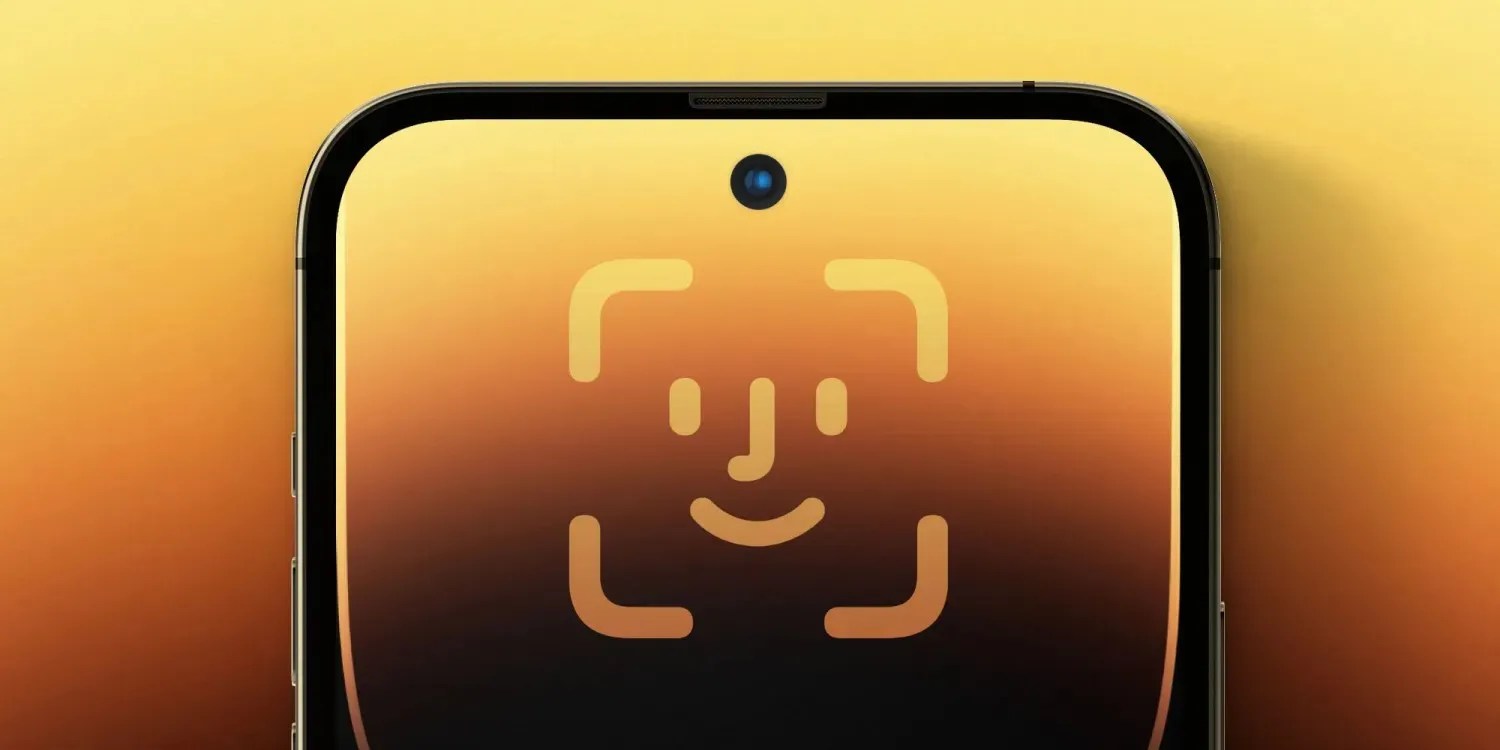
If Apple successfully moves that hardware under the screen, it could reduce the amount of space needed for the Dynamic Island without affecting Face ID performance.
That would represent one of the biggest engineering changes to the iPhone display since Face ID first launched.
The challenge isn’t making it work once.
It’s making it work millions of times on millions of devices in different lighting conditions without slowing down authentication or reducing security.
For Apple, reliability matters more than shrinking the cutout by a few millimeters.
The Leaks Don’t All Agree
This is where the story becomes more complicated.
Early reports suggested Apple was confident enough to significantly redesign the Dynamic Island for the iPhone 18 Pro.

r/apple
Then newer supply-chain reports painted a different picture.
Digital Chat Station, a leaker with a relatively strong history of display-related information, claimed Apple may have delayed some of those plans.
If that information proves accurate, the iPhone 18 Pro could look much more like the current generation than many people originally expected.
That doesn’t necessarily mean earlier reports were wrong.
Apple regularly tests multiple prototypes before deciding which version reaches production.
One design may include a smaller Dynamic Island.
Another may keep the existing size.
Until Apple finalizes manufacturing, both possibilities can exist at the same time.
That’s one reason Apple rumors often appear to contradict one another.
They’re sometimes describing different prototypes rather than the final product.
What About the CAD Renders?
Several CAD images claiming to show the iPhone 18 Pro have circulated online.
Most depict a slightly smaller Dynamic Island while keeping the rear camera layout largely unchanged.
They’re interesting.
They’re also impossible to verify.
CAD renders usually originate from accessory manufacturers, supply-chain sources or leakers with varying levels of accuracy.
Sometimes they’re remarkably close to the final device.
Other times they’re based on early engineering drawings that never become real products.
That’s why experienced Apple reporters rarely treat CAD renders as confirmation.
Instead, they compare them with analyst reports, manufacturing leaks and display supply-chain information.
When multiple independent sources begin telling the same story, confidence grows.
That’s exactly what’s happened with the smaller Dynamic Island rumor.
The question is no longer whether Apple wants to reduce it.
The real question is whether the technology will be ready in time for the iPhone 18—or whether users will have to wait one generation longer.
Which iPhone 18 Models Could Get the Smaller Dynamic Island?
One of the biggest questions surrounding the iPhone 18 isn’t whether the Dynamic Island is changing—it’s which models could receive the upgrade.
Most reports agree that Apple is testing the redesign on the Pro models first. That follows Apple’s recent strategy of giving its premium devices exclusive hardware before bringing those features to the rest of the lineup. The Dynamic Island itself launched on the iPhone 14 Pro before expanding across every iPhone 15 model a year later.
Not every leak agrees, though.
Leaker Ice Universe has claimed the smaller Dynamic Island could appear across the entire iPhone 18 lineup, including the standard model. Other analysts believe Apple is more likely to reserve the redesign for the Pro and Pro Max, at least initially.
At this stage, there’s no clear consensus. Apple is still believed to be testing different display configurations, making it difficult to know which version will reach production.
The iPhone 18 Air Could Change Things
Another reason these rumors have become more complicated is Apple’s expected lineup.
Several reports suggest Apple could replace the Plus model with an ultra-thin iPhone 18 Air. If that happens, Apple may rethink how it separates each model.
A thinner phone means every internal component matters. Engineers have less room to work with, and redesigning the front display becomes part of a much larger challenge involving battery size, cooling and camera placement.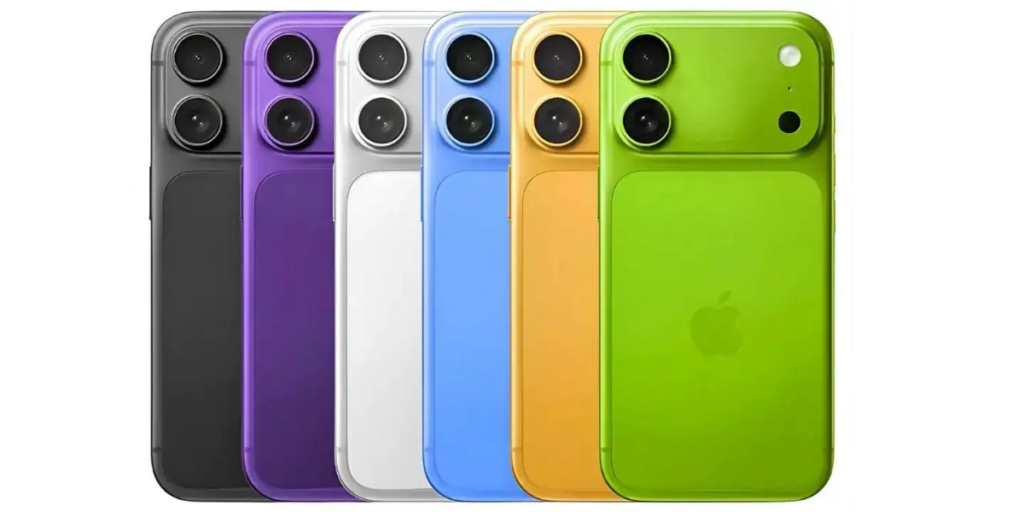
If the iPhone 18 Air becomes Apple’s showcase for a slimmer design, it wouldn’t be surprising to see display changes arrive there alongside the Pro models.
Apple hasn’t confirmed the device, but it continues appearing in multiple supply-chain reports.
Apple’s Long-Term Goal Hasn’t Changed
The smaller Dynamic Island isn’t the finish line.
Most industry analysts believe Apple wants an iPhone with an uninterrupted display—no notch, no pill-shaped cutout and no visible Face ID hardware.
That vision has existed for years.
Getting there requires solving two separate problems.
The first is Face ID.
The second is the front-facing camera.
Apple appears to be making progress on the first challenge, but hiding a selfie camera beneath an OLED display without reducing image quality has proven even more difficult.
Current expectations suggest Apple may move Face ID under the display before the selfie camera. That would leave a small camera hole while removing much of the existing cutout.
A completely seamless display is still considered a future goal rather than an iPhone 18 feature.
More Than Just a Display Upgrade
The display isn’t the only area expected to change.
The iPhone 18 Pro lineup has also been linked to Apple’s next-generation A20 Pro chip, which could be built using TSMC’s 2-nanometer process. If those reports are accurate, users could see improvements in performance and battery efficiency without dramatic increases in power consumption.
Apple is also expected to continue expanding its in-house modem technology after introducing its own cellular modem in recent devices. The next-generation modem is rumored to deliver faster speeds while improving power efficiency.
Camera upgrades remain part of the conversation as well. Reports have mentioned improvements to image processing, variable aperture technology and continued work on computational photography, although details remain inconsistent.
None of these features have been confirmed, but together they suggest Apple isn’t treating the iPhone 18 as a routine refresh.
Should You Wait for the iPhone 18?
The answer depends on which iPhone you already own.
If you’re using an iPhone 13 or older, waiting another year simply for a smaller Dynamic Island may not be worthwhile. Newer models already offer significant improvements in battery life, cameras, display quality and performance.
If you already own an iPhone 16 or iPhone 17, the decision becomes more interesting.
A redesigned front display, a new processor and potential camera upgrades could make the iPhone 18 a more meaningful upgrade than previous generations.
The biggest unknown is whether the smaller Dynamic Island becomes noticeable in daily use or remains a subtle design refinement.
Apple has always focused on gradual improvements rather than dramatic redesigns every year.
The iPhone 18 appears to fit that pattern.
What Should You Believe Right Now?
Not every rumor deserves equal attention.
Reports from analysts with strong Apple supply-chain connections carry more weight than anonymous social media leaks or unverified renders.
Right now, several points appear repeatedly across multiple independent reports.
Apple is working on reducing the size of the Dynamic Island.
The company continues developing under-display Face ID.
A completely bezel-free iPhone doesn’t appear to be arriving with the iPhone 18.
Everything beyond those points becomes less certain.
Until Apple announces the device, every report should be treated as part of an evolving picture rather than a confirmed feature list.
One leak may prove accurate.
Another may describe a prototype that never reaches store shelves.
That’s the nature of Apple’s product development.
The Bottom Line
The Dynamic Island began as Apple’s answer to the notch. Instead of hiding the hardware, Apple turned it into part of the software experience.
The next step doesn’t appear to be eliminating it overnight.
Instead, Apple seems focused on making it smaller while continuing the slow transition toward an all-screen iPhone.
Whether that happens with the iPhone 18 or a future generation is still uncertain, but one thing is becoming clearer with each new report: the Dynamic Island isn’t standing still. It’s evolving, just as Apple’s display technology has with every generation before it.
FAQs
Is the Dynamic Island getting smaller on the iPhone 18?
Several credible reports suggest Apple is testing a smaller Dynamic Island, particularly for the iPhone 18 Pro models. Apple has not confirmed the redesign.
Will Apple remove the Dynamic Island completely?
Current reports suggest no. Most analysts believe Apple will shrink the Dynamic Island before eventually moving toward a full-screen design in a future iPhone.
Will every iPhone 18 model have a smaller Dynamic Island?
It’s still unclear. Some reports say only the Pro models will receive the redesign, while others suggest it could expand across the entire lineup.
Why can’t Apple hide Face ID under the screen already?
Face ID relies on infrared sensors and other hardware that are more difficult to place beneath an OLED display than a standard selfie camera. Apple is reportedly still refining the technology.
Should I wait for the iPhone 18?
If you’re using an older iPhone, upgrading now may make more sense than waiting for a rumored design change. If you already own a recent model, the iPhone 18 could offer more noticeable hardware improvements.