


A rare artifact offers a tangible link to one of history’s most tragic voyages
A piece of RMS Titanic sinking resurfaces
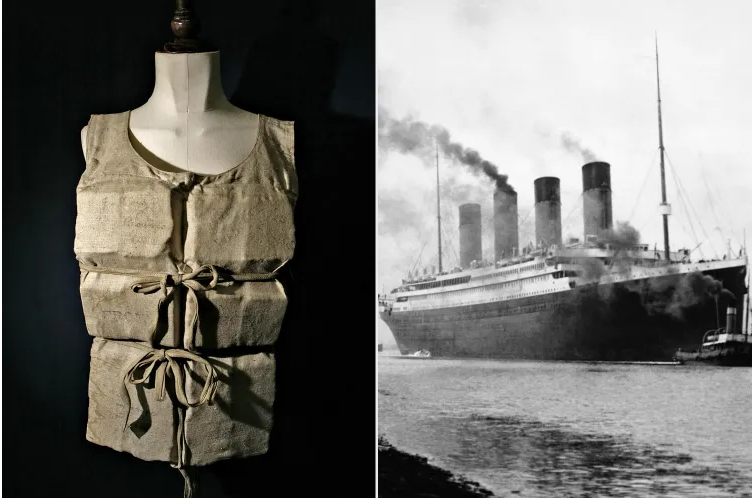
April 16, 2026 – A life jacket believed to have been worn by a survivor of the RMS Titanic sinking is set to go under the hammer in what is being described as a first-of-its-kind auction. The item, preserved for over a century, represents a rare and deeply personal artifact from one of the most infamous maritime disasters in history.
Unlike many objects recovered from the Titanic wreck itself, this life jacket is tied directly to a survivor, adding a powerful human dimension to its historical significance. Its upcoming sale is expected to draw interest from collectors, historians, and institutions worldwide.
:max_bytes(150000):strip_icc():focal(665x0:667x2):format(webp)/titanic-life-vest-041426-1-e645084290c845d8862533ea910c722d.jpg)
Image Credit: LEON NEAL/AFP via Getty
The story behind the life jacket
The life jacket dates back to April 1912, when the RMS Titanic struck an iceberg during its maiden voyage from Southampton to New York. As the ship sank, life jackets became crucial survival tools for passengers attempting to escape the freezing waters of the North Atlantic.
This particular jacket is believed to have been worn by a survivor who managed to escape the tragedy, making it not just a relic but a symbol of survival against overwhelming odds. Over the years, it has been carefully preserved, retaining key features that authenticate its origin and historical value.
Its survival outside the wreck site makes it especially rare, as many artifacts associated with the Titanic were either lost to the ocean or recovered decades later under controlled conditions.
Why this auction is historic
What sets this sale apart is its classification as a “first-of-its-kind” auction. While Titanic memorabilia has been sold before, items directly linked to individual survivors—particularly wearable objects like life jackets—are exceedingly rare.
This distinction elevates the artifact’s importance, transforming it from a collectible into a deeply personal historical object. It offers a direct connection to the lived experience of those who endured the disaster.
Auction houses anticipate strong bidding interest, not only due to the item’s rarity but also because of the enduring global fascination with the Titanic story.

Image Credit: Getty Images
The enduring legacy of the Titanic
More than a century after the RMS Titanic sinking, the tragedy continues to captivate public imagination. The story of the ship—once considered unsinkable—has become a symbol of both human ambition and vulnerability.
Artifacts like this life jacket play a crucial role in keeping that history alive. They serve as physical reminders of the individuals behind the headlines, offering insight into the human experiences that defined the event.
The Titanic’s legacy has been explored through books, documentaries, and films, including the widely acclaimed Titanic, which brought renewed attention to the disaster for modern audiences.
The emotional weight of historical artifacts
Objects like this life jacket carry more than historical value—they hold emotional significance. For many, they represent stories of loss, survival, and resilience.
Owning or displaying such an artifact comes with a sense of responsibility, as it serves as a link to a defining moment in history. Museums and collectors often view these items as tools for education and remembrance, ensuring that the lessons of the past are not forgotten.
In this case, the life jacket’s connection to a survivor adds an additional layer of meaning, transforming it into a symbol of hope amid tragedy.
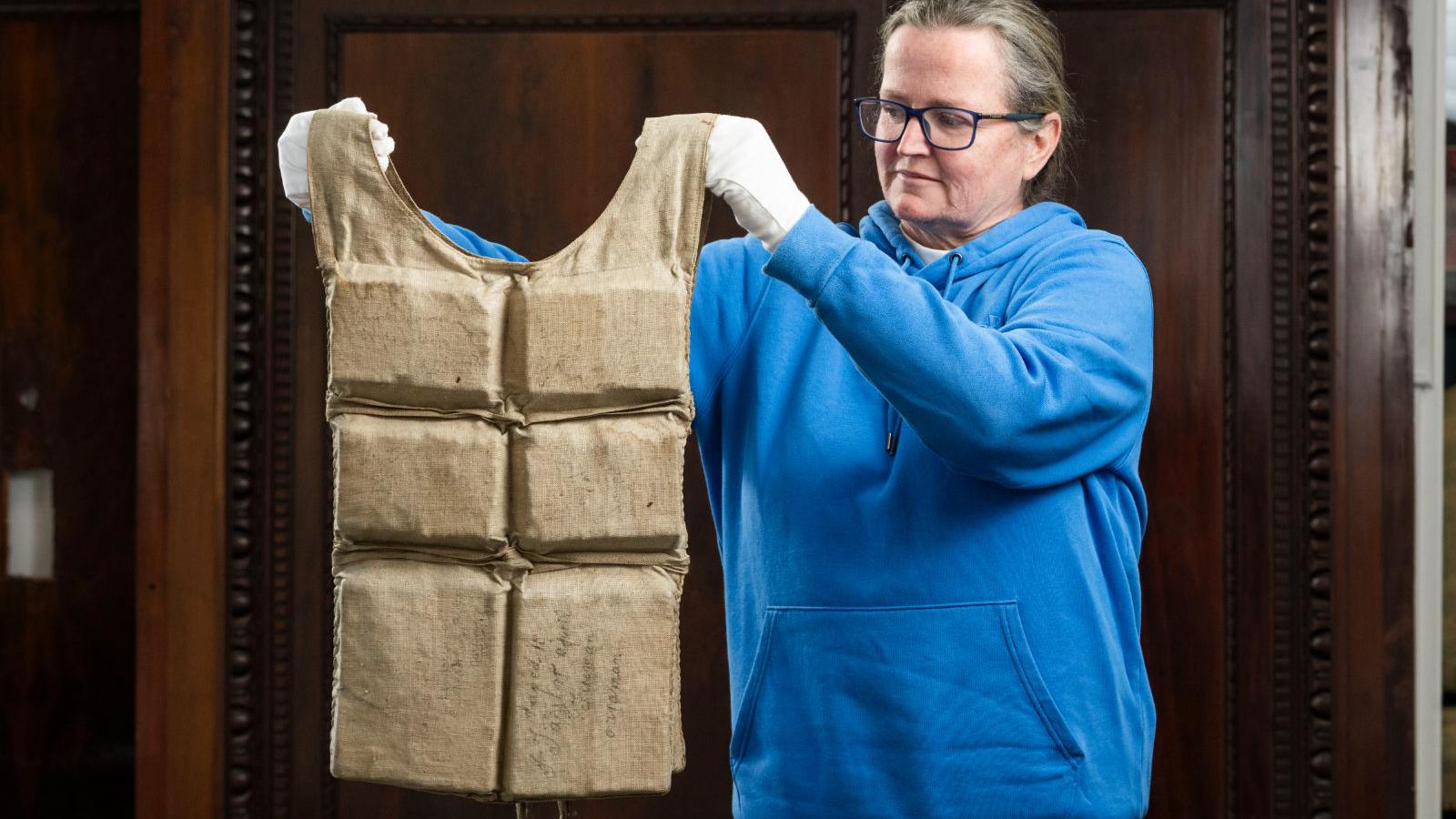
Image Credit: Getty Images
The role of auctions in preserving history
Auctions play a significant role in the preservation and circulation of historical artifacts. By bringing items like this to public attention, they create opportunities for preservation, research, and education.
While some artifacts end up in private collections, others are acquired by institutions where they can be studied and displayed for public benefit. The outcome of this auction will likely determine the future accessibility of the life jacket and its story.
The growing interest in historical memorabilia reflects a broader desire to connect with the past in tangible ways, especially as digital experiences become more prevalent.
Global interest and expected demand
Given the Titanic’s global recognition, the auction is expected to attract bidders from around the world. Collectors specializing in maritime history, as well as institutions dedicated to preserving historical artifacts, are likely to show strong interest.
The uniqueness of the item—combined with its emotional and historical significance—could drive the final sale price well beyond initial estimates.
Such auctions often become events in their own right, drawing attention not only to the item being sold but also to the broader history it represents.

Image Credit: SeaCity Museum/Southampton City Council
Final Thoughts
The upcoming auction of a Titanic survivor’s life jacket represents a rare opportunity to engage with history on a deeply personal level. More than just an artifact, it is a tangible connection to one of the most significant events of the 20th century.
As it goes under the hammer, the life jacket serves as a reminder of the individuals who experienced the tragedy firsthand. Its preservation and sale ensure that their stories continue to be remembered and shared with future generations.
In a world increasingly shaped by digital experiences, objects like this hold a unique power—grounding history in something real, human, and enduring.
FAQs
Q1: What is being auctioned?
A life jacket believed to have been worn by a Titanic survivor.
Q2: Why is this auction significant?
It is considered a first-of-its-kind sale due to the item’s direct link to a survivor.
Q3: When did the Titanic sink?
The RMS Titanic sank in April 1912 after hitting an iceberg.
Q4: Why are Titanic artifacts valuable?
They provide a tangible connection to a major historical event and its human stories.
Q5: Who might buy the life jacket?
Collectors, museums, and institutions interested in maritime history.
Published by HOLR Magazine