


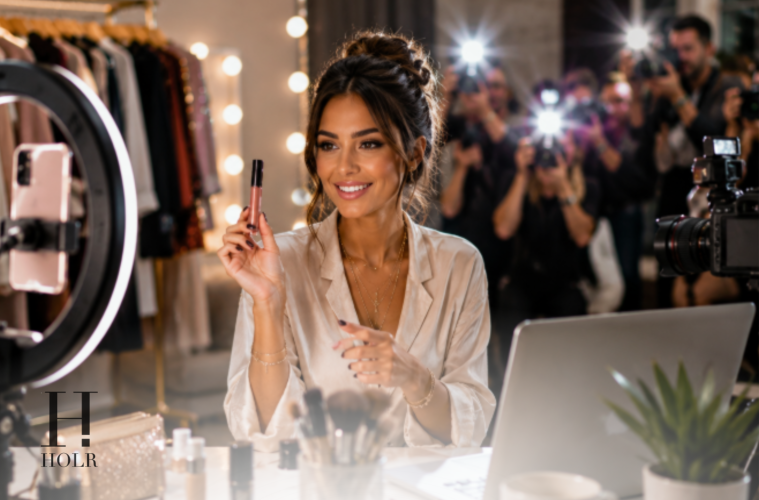
The definition of celebrity is changing rapidly as influencers and reality stars attract audiences, brand deals, and cultural influence once reserved for Hollywood’s biggest names.
May 29, 2026 — For decades, celebrity status was largely reserved for movie stars, chart-topping musicians, professional athletes, and television icons. Today, however, the entertainment landscape looks very different.
Reality television personalities, TikTok creators, YouTubers, Instagram influencers, podcasters, and digital entrepreneurs are now commanding the same attention, media coverage, and business opportunities as traditional celebrities.
In many cases, influencers are attracting larger audiences than Hollywood actors and major recording artists, fundamentally changing how fame is created and maintained in the digital era.
The shift reflects a broader transformation in media consumption, where audiences increasingly connect with personalities they follow daily online rather than celebrities they only see through movies, television shows, or music releases.
The Definition Of Fame Has Changed
The internet has dramatically altered the path to celebrity status.
In previous generations, becoming famous often required access to movie studios, record labels, television networks, or major publishing companies.
Today, social media platforms allow creators to build massive audiences independently.
A viral TikTok video, YouTube channel, podcast, or Instagram account can launch someone into mainstream recognition almost overnight.
Unlike traditional celebrities who often depend on large entertainment companies, influencers can build careers directly through audience engagement and content creation.
This accessibility has created an entirely new class of public figures.
Audiences Feel More Connected To Influencers
One reason influencers continue gaining popularity is because they often appear more relatable than traditional celebrities.
Many creators share daily routines, personal struggles, family moments, travel experiences, and behind-the-scenes content that makes audiences feel personally connected to them.
Fans often follow influencers for years, creating a sense of familiarity that differs from traditional celebrity relationships.
This perceived authenticity helps explain why influencer recommendations frequently generate strong engagement and consumer trust.
For younger audiences especially, influencers often feel more accessible than Hollywood stars whose lives may appear distant and highly curated.
Reality TV Created A New Generation Of Celebrities
Reality television helped pave the way for the influencer era.
Shows centered around real people rather than fictional characters introduced audiences to a different type of fame.
Viewers became invested in personalities, relationships, lifestyles, and personal journeys rather than scripted performances alone.
Over time, many reality stars successfully transitioned into business owners, media personalities, entrepreneurs, and social media influencers.
Their success demonstrated that personal branding could become just as valuable as traditional entertainment careers.
Social Media Rewards Personality Over Credentials
One major reason digital creators thrive is because social media platforms prioritize engagement rather than professional credentials.
Audiences often care more about personality, storytelling, humor, expertise, or relatability than formal industry experience.
As a result, creators can attract millions of followers without ever appearing in a movie, television show, or music video.
The attention economy rewards individuals who consistently capture audience interest, regardless of how they initially became known.
This has blurred the line between influencer, entrepreneur, media personality, and celebrity.
Brands Are Investing Heavily In Influencers
The rise of influencer culture has also transformed marketing.
Companies increasingly allocate significant portions of their advertising budgets toward creators and social media personalities.
Influencers often generate stronger engagement than traditional advertising campaigns because audiences view them as trusted voices rather than corporate spokespeople.
Major brands now regularly partner with creators for product launches, campaigns, collaborations, and long-term ambassador relationships.
Some influencers have even built businesses that rival the scale of celebrity-founded companies.
Traditional Celebrities Are Adopting Influencer Strategies
Interestingly, the influence is moving in both directions.
Many traditional celebrities now use social media strategies that were originally popularized by influencers.
Actors, musicians, and athletes increasingly share behind-the-scenes content, daily updates, personal stories, and direct interactions with fans.
This approach helps celebrities maintain relevance in a media environment where audiences expect constant access and engagement.
The distinction between celebrity and influencer continues becoming less clear as both groups compete for attention within the same digital spaces.
Younger Audiences View Fame Differently
Generation Z and younger audiences often define celebrity differently than previous generations.
Many young consumers spend more time watching creators on TikTok, YouTube, Twitch, and Instagram than traditional television or movies.
As a result, they frequently develop stronger connections with digital creators than with conventional entertainment stars.
For many younger fans, a top creator may feel just as influential as a Hollywood actor or global musician.
This generational shift is reshaping how fame is measured across the entertainment industry.
The Future Of Celebrity Culture
The future of fame will likely be more diverse than ever before.
Traditional celebrities are not disappearing, but they now share cultural influence with a rapidly growing group of digital creators and reality personalities.
Success increasingly depends on audience engagement, personal branding, authenticity, and community building rather than access to traditional entertainment systems.
The most successful public figures of the future may combine elements of celebrity, entrepreneurship, content creation, and direct audience interaction.
Celebrity Status Is No Longer Limited To Hollywood
The rise of influencers and reality stars proves that fame has become more accessible, decentralized, and audience-driven than ever before.
While Hollywood actors and music icons continue shaping popular culture, they no longer have a monopoly on attention.
Reality stars, creators, podcasters, and social media personalities now command global audiences, major business opportunities, and cultural relevance that rival traditional celebrities.
In 2026, celebrity status is no longer defined by where someone started—it is defined by the attention, influence, and community they build.
FAQs
Why are influencers becoming as famous as celebrities?
Social media allows creators to build direct relationships with audiences and attract massive followings without traditional entertainment gatekeepers.
How did reality TV contribute to influencer culture?
Reality television introduced audiences to personality-driven fame and helped normalize celebrity status beyond acting and music careers.
Why do brands work with influencers?
Influencers often generate strong engagement and consumer trust, making them highly effective marketing partners.
Are traditional celebrities losing influence?
Not necessarily, but they now share attention with influencers, creators, and digital personalities.
How is celebrity culture changing?
Celebrity culture is becoming more audience-driven, with personal branding, authenticity, and social media engagement playing larger roles than ever before.
What are the biggest stories trending online today? Read the latest here
Published by HOLR Magazine