


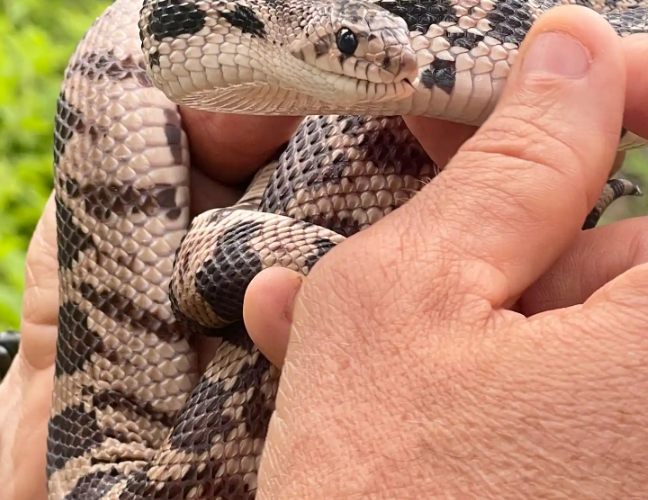
More than a dozen rare snakes have been released into the wild as part of a major conservation effort.
Why Did a U.S. Zoo Release Rare Snakes Into the Wild?
June 12, 2026-A U.S. zoo is drawing national attention after releasing more than a dozen rare snakes into the wild as part of a carefully planned conservation initiative.
The release represents a significant step in efforts to restore vulnerable snake populations that have faced decades of habitat loss, environmental pressures, and declining numbers. Wildlife experts involved in the project say the snakes were bred and raised under specialized conditions before being reintroduced into suitable natural habitats.
For people wondering why a zoo would release animals it has spent years caring for, the answer lies in modern conservation goals. Increasingly, accredited zoos are focused not only on education and animal care but also on rebuilding threatened populations in the wild.
The release of these rare snakes highlights how conservation programs can play a direct role in protecting biodiversity and supporting long-term species survival.
Understanding the Conservation Project
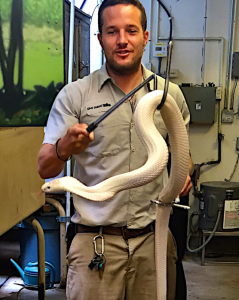
Image Credit; Instagram @joey._.brown
The release was part of a broader wildlife recovery effort designed to strengthen populations of a rare snake species that has experienced significant decline in its natural range.
Before release, conservation teams spent years monitoring habitat conditions, breeding healthy animals, and evaluating whether the environment could support reintroduction efforts.
Wildlife specialists often follow strict scientific guidelines before returning captive-bred animals to nature. The process typically includes health screenings, genetic assessments, habitat evaluations, and long-term monitoring plans.
Experts involved in the project emphasized that releasing animals into the wild is not as simple as opening a cage. Each step requires extensive planning to maximize survival rates and minimize risks to both the animals and the ecosystem.
The successful release of more than a dozen snakes demonstrates the level of preparation required for conservation initiatives of this scale.
Why Are These Snakes Considered Rare?
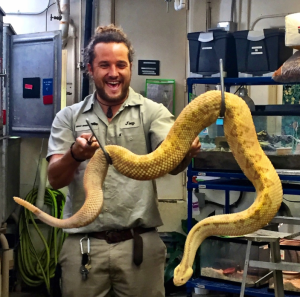
Image Credit; Instagram @joey._.brown
Rare snake species often face multiple challenges that contribute to declining populations.
Habitat destruction remains one of the largest threats. Urban development, agriculture, road construction, and environmental changes can reduce or fragment the natural areas these reptiles rely upon for food, shelter, and reproduction.
In some cases, illegal collection and persecution by humans have also contributed to population declines. Snakes frequently suffer from negative public perceptions despite playing essential roles in maintaining ecological balance.
Conservation organizations work to address these issues through habitat protection, public education, captive breeding programs, and reintroduction efforts like the one receiving attention today.
The snakes released through this project represent years of work aimed at reversing population declines and improving long-term survival prospects.
The Role of Zoos in Wildlife Conservation
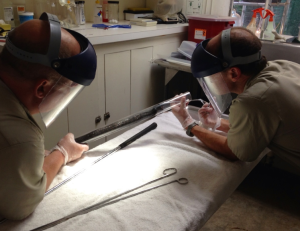
Image Credit; Instagram @joey._.brown
Modern zoos increasingly serve as conservation centers rather than simply exhibition facilities.
Many accredited institutions participate in breeding programs for endangered and threatened species. These programs help maintain healthy genetic diversity while creating opportunities for future reintroductions.
Conservation breeding has contributed to recovery efforts involving birds, mammals, amphibians, reptiles, and insects around the world.
In recent decades, zoo-led programs have helped restore species that once faced severe declines. While not every captive-breeding project results in successful reintroduction, many have become important tools in global conservation strategies.
The rare snake release highlights how zoological institutions can contribute directly to wildlife recovery efforts beyond their own facilities.
Why Reintroductions Matter
Species reintroductions are designed to strengthen or rebuild wild populations.
When animal numbers fall too low, breeding programs can provide a population boost that helps increase genetic diversity and improve long-term resilience.
Healthy ecosystems depend on balanced predator-prey relationships, and snakes often play a critical role in controlling rodent populations and supporting ecological stability.
Conservationists say that restoring native species benefits not only wildlife but also the overall health of ecosystems.
Successful reintroductions can also serve as models for future conservation efforts involving other vulnerable species.
Challenges Facing Released Animals
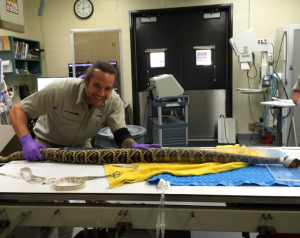
Image Credit; Instagram @joey._.brown
Although conservationists are optimistic, releasing captive-bred animals into the wild comes with challenges.
Newly released animals must adapt to finding food, avoiding predators, navigating unfamiliar terrain, and responding to environmental conditions without human assistance.
For this reason, conservation teams often continue monitoring animals after release using tracking technology and field observations.
Researchers use this information to evaluate survival rates, identify potential threats, and improve future reintroduction strategies.
The success of the current snake release will ultimately be measured over time as scientists monitor how the animals adjust to their new environment.
Public Response to the Release
The conservation effort has generated significant public interest.
Many wildlife enthusiasts and environmental organizations have praised the release as a positive example of proactive conservation.
Social media users have shared photos, videos, and discussions highlighting the importance of protecting native wildlife and supporting biodiversity initiatives.
The project has also helped raise awareness about snake conservation, an area that often receives less public attention than efforts involving larger or more charismatic animals.
Conservation advocates hope that increased visibility will encourage greater support for habitat protection and species recovery programs.
Confirmed Facts
A U.S. zoo released more than a dozen rare snakes into the wild. The release was part of a conservation and species recovery effort. The snakes were prepared for reintroduction through specialized management and care. Wildlife experts continue to monitor conservation outcomes. The project aims to strengthen wild populations.
What Remains Speculation?
Long-term survival rates of the released snakes are not yet known. The ultimate impact on the species’ overall population remains uncertain. Predictions regarding future population growth are based on conservation models rather than confirmed outcomes. Claims that the project guarantees species recovery should be viewed cautiously until additional data becomes available. Because wildlife recovery efforts take years to evaluate, conservationists will continue monitoring results before drawing final conclusions.
Why This Story Is Trending
The release is attracting attention because it represents a hopeful conservation success story.
At a time when many wildlife headlines focus on habitat loss and declining biodiversity, the return of rare animals to their natural environment offers a more optimistic narrative.
The story also highlights the evolving role of zoos in conservation and demonstrates how scientific collaboration can contribute to species recovery.
For many readers, the release serves as a reminder that conservation programs can produce tangible results when supported by long-term planning and research.
Conclusion
The release of more than a dozen rare snakes into the wild marks an important milestone in ongoing conservation efforts.
While challenges remain and long-term success has yet to be fully measured, the project demonstrates how zoos, scientists, and wildlife organizations can work together to support vulnerable species.
As researchers continue monitoring the snakes and their habitat, conservationists hope the initiative will contribute to a stronger, healthier wild population and inspire future recovery programs for other threatened animals.
FAQs
Why did a U.S. zoo release rare snakes into the wild?
The snakes were released as part of a conservation effort designed to strengthen vulnerable wild populations and support long-term species recovery.
What kind of snakes were released?
Officials described them as a rare species involved in a conservation and reintroduction program. Specific details depend on the institution and recovery initiative.
Are the released snakes dangerous?
Wild snakes vary by species, but conservation releases are typically conducted in carefully selected habitats where wildlife experts can monitor outcomes and minimize risks.
Why are rare snake populations declining?
Common threats include habitat loss, environmental changes, human activity, road mortality, and negative perceptions that lead to persecution.
How do zoos help with conservation?
Many zoos participate in breeding programs, habitat restoration projects, wildlife research, and species recovery initiatives designed to support threatened animals.
What happens after the snakes are released?
Conservation teams often track and monitor released animals to study survival rates, movement patterns, and adaptation to natural environments.
Does this guarantee the species will recover?
No. While the release is an encouraging step, long-term recovery depends on habitat quality, survival rates, reproduction, and ongoing conservation support.
Why is this story receiving attention?
The release represents a positive conservation milestone and highlights how scientific efforts can help restore vulnerable wildlife populations.
Published by HOLR Magazine