


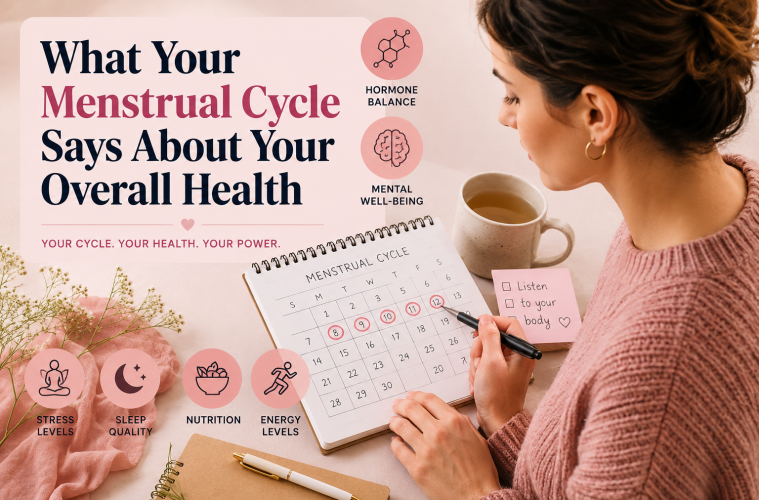
What Your Menstrual Cycle Says About Your Overall Health: A Complete Guide
July 23,2026: For many women, a period is simply another part of the monthly routine. It arrives, lasts a few days, and then life moves on until the next cycle begins. But your menstrual cycle is far more than a monthly event—it’s one of your body’s most important health indicators.
Doctors often describe the menstrual cycle as a “vital sign” for women’s health because it reflects how different systems in the body are working together. Hormones, the brain, the thyroid, the reproductive organs, metabolism, nutrition, sleep, and even emotional well-being all play a role in maintaining a healthy cycle.
That’s why changes in your period can sometimes be the first sign that something else in your body needs attention.
A cycle that suddenly becomes irregular, unusually painful, much heavier than normal, or disappears altogether doesn’t always indicate a serious problem. In many cases, temporary factors like stress, travel, illness, or changes in lifestyle can affect menstruation.
However, persistent changes shouldn’t be ignored.
HOLR explores what your menstrual cycle can reveal about your overall health, why every cycle is unique, and how paying attention to small changes can help you better understand your body.

Image Credit: flo.health
Your Menstrual Cycle Is More Than Just Your Period
Many people use the words “period” and “menstrual cycle” interchangeably, but they’re not exactly the same thing.
Your period is only one phase of the menstrual cycle.
The entire cycle begins on the first day of menstrual bleeding and continues until the day before the next period starts. While many people think of a 28-day cycle as “normal,” healthy cycles can vary considerably.
For adults, cycles that typically range between 21 and 35 days are generally considered normal. Teenagers may experience longer or less predictable cycles while their hormones mature.
What’s most important isn’t having a perfectly timed 28-day cycle every month.
It’s consistency.
If your cycle is usually around 30 days but occasionally varies by a few days, that’s often perfectly healthy.
Your body naturally experiences small fluctuations.
The menstrual cycle is controlled by an intricate conversation between your brain, ovaries, uterus, and hormones. When one part of that communication changes, your cycle often changes too.
Hormones Tell the Story
At the center of every menstrual cycle are hormones.
Think of hormones as chemical messengers that tell different parts of the body what to do and when to do it.
During each month, hormones such as estrogen, progesterone, follicle-stimulating hormone (FSH), and luteinizing hormone (LH) rise and fall in carefully coordinated patterns.
These changes prepare the body for possible pregnancy.
If pregnancy doesn’t occur, hormone levels drop, triggering menstruation and starting the process again.
Because hormones influence so many parts of the body, changes in your cycle often affect much more than bleeding.
You may notice changes in:
- Energy levels
- Mood
- Appetite
- Sleep quality
- Skin
- Digestion
- Libido
- Concentration
These experiences aren’t “all in your head.”
They’re normal responses to changing hormone levels throughout the month.
Understanding those patterns can help women recognize what’s typical for their own bodies.
Your Period Can Reflect Your Lifestyle
One of the most fascinating things about the menstrual cycle is how responsive it is to everyday life.
Your body is constantly evaluating whether conditions are favorable for reproduction. Factors such as nutrition, sleep, stress, illness, and physical activity all influence that decision.
For example, chronic stress can increase cortisol—the body’s primary stress hormone. Elevated cortisol may interfere with reproductive hormones, potentially delaying ovulation and causing a late or missed period.
Similarly, poor nutrition or rapid weight loss can signal to the brain that the body doesn’t have enough energy to support regular ovulation.
On the other hand, excessive exercise, particularly when combined with inadequate calorie intake, can also disrupt menstrual cycles.
Elite athletes, dancers, and endurance runners sometimes experience missed periods because their bodies prioritize essential functions over reproduction.
This doesn’t mean exercise is harmful.
Regular physical activity actually supports hormonal health for many women.
The key is balance.
What Different Period Changes Might Mean
Every woman experiences occasional changes in her cycle.
A slightly earlier period after a stressful month.
A lighter flow during travel.
A heavier cycle after recovering from illness.
These temporary changes are common.
However, some patterns deserve closer attention.

Image Credit: flo.health
Very Heavy Bleeding
Consistently soaking through pads or tampons every hour, passing very large blood clots, or bleeding for more than seven days may indicate conditions such as fibroids, hormonal imbalances, adenomyosis, or bleeding disorders.
Very Painful Periods
Mild cramps are common.
But severe pain that interferes with work, school, or daily activities isn’t something women should simply accept as “normal.”
Conditions like endometriosis or adenomyosis can cause significant menstrual pain and often go undiagnosed for years.
Irregular Cycles
Occasional irregularity happens.
Frequent unpredictability, however, may be associated with polycystic ovary syndrome (PCOS), thyroid disorders, chronic stress, or hormonal changes.
Missed Periods
Pregnancy is only one possible explanation.
Rapid weight changes, excessive exercise, stress, certain medications, thyroid conditions, and hormonal disorders can all contribute to absent periods.
Listening to these changes isn’t about becoming anxious.
It’s about recognizing when your body may be asking for attention.
Your Cycle Can Also Affect Your Mental and Emotional Well-Being
Most women notice emotional changes at different points in their menstrual cycle, but these shifts are often misunderstood or dismissed.
Hormones don’t only influence the reproductive system—they also interact with neurotransmitters in the brain, including serotonin and dopamine, which help regulate mood, motivation, and emotional balance.
During the first half of the cycle, rising estrogen levels can contribute to increased energy, confidence, and mental clarity. Many women report feeling more productive, sociable, and motivated during this phase.
After ovulation, progesterone begins to rise. For some women, this creates a sense of calm, while for others it may bring fatigue, irritability, or mood changes. In the days leading up to menstruation, falling hormone levels can contribute to symptoms commonly associated with premenstrual syndrome (PMS), including:
- Mood swings
- Anxiety
- Increased emotional sensitivity
- Fatigue
- Food cravings
- Difficulty concentrating
For some women, these symptoms become severe enough to interfere with work, relationships, or daily life. In those cases, it may be a condition known as Premenstrual Dysphoric Disorder (PMDD), which should be evaluated by a healthcare professional.
Understanding these natural hormonal fluctuations can help women practice greater self-awareness rather than self-criticism.
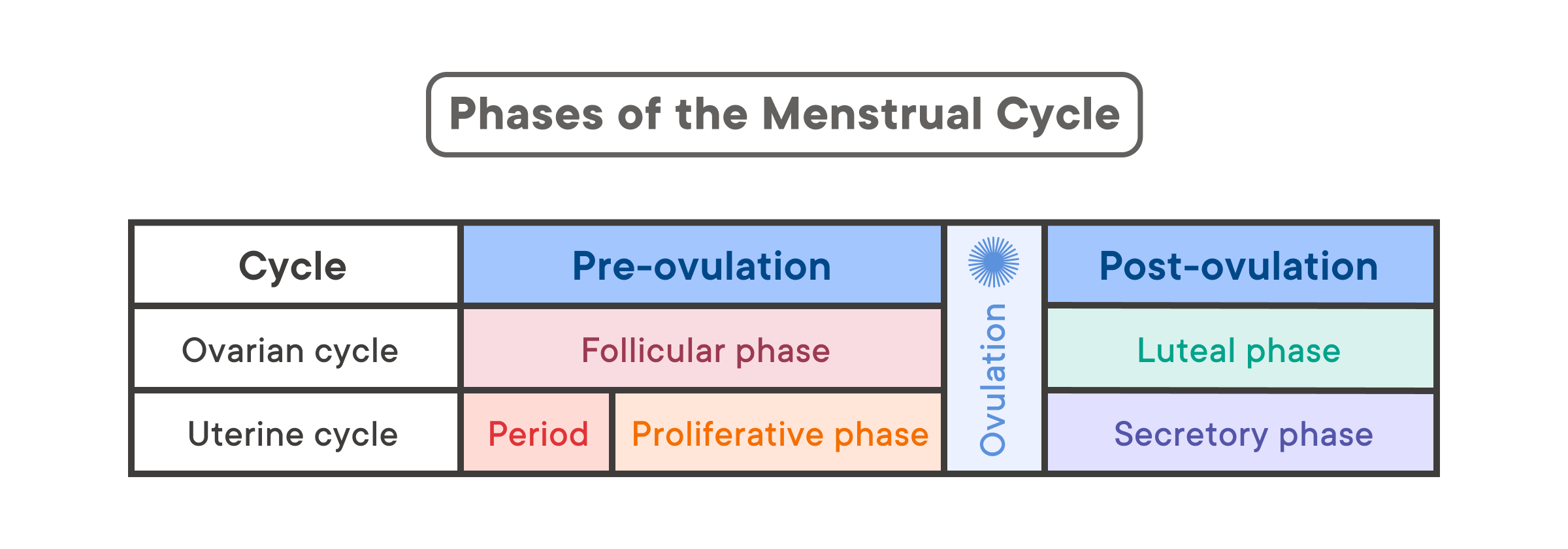
Image Credit: helloclue.com
Small Lifestyle Changes Can Support a Healthier Cycle
While every woman’s body is different, daily habits can have a significant impact on menstrual health.
Supporting your cycle doesn’t require extreme diets or expensive supplements. Instead, many healthcare professionals recommend focusing on long-term healthy habits.
These include:
Eating a Balanced Diet
Foods rich in iron, healthy fats, lean protein, whole grains, fruits, and vegetables provide the nutrients needed for hormone production and recovery during menstruation.
Women with heavy periods may also benefit from monitoring their iron intake, as excessive blood loss can contribute to iron deficiency.
Prioritizing Sleep
Sleep is closely connected to hormone regulation. Poor sleep can affect cortisol, insulin, and reproductive hormones, potentially contributing to irregular cycles over time.
Aim for consistent, high-quality sleep whenever possible.
Managing Stress
While stress cannot always be avoided, finding healthy ways to manage it—through exercise, mindfulness, hobbies, journaling, meditation, or spending time outdoors—may help support hormonal balance.
Staying Physically Active
Regular movement supports circulation, metabolism, and hormone regulation. Activities like walking, strength training, yoga, swimming, and cycling can all contribute to overall well-being.
The goal isn’t perfection.
It’s consistency.
When Should You Speak With a Healthcare Provider?
Occasional changes in your menstrual cycle are usually nothing to panic about.
However, experts recommend speaking with a healthcare provider if you notice changes that are persistent, severe, or interfering with your daily life.
Some signs that deserve medical attention include:
- Periods that suddenly become much heavier than usual.
- Bleeding that lasts longer than seven days.
- Severe pain that isn’t relieved with over-the-counter medication.
- Missing several periods without pregnancy.
- Bleeding between periods.
- Extremely irregular cycles that continue for several months.
- Symptoms such as excessive hair growth, significant acne, unexplained weight changes, or ongoing fatigue alongside irregular periods.
Seeking medical advice doesn’t necessarily mean something is seriously wrong.
Often, it simply provides an opportunity to identify hormonal imbalances, thyroid disorders, PCOS, endometriosis, or other treatable conditions before they become more disruptive.
Learning Your Own ‘Normal’ Matters Most
One of the biggest misconceptions about menstrual health is that every woman should have the same cycle.
In reality, there is no single definition of “normal.”
Some women naturally have 26-day cycles.
Others consistently have 32-day cycles.
Some experience mild cramps.
Others notice almost none.
What’s most important is understanding your own baseline.
Tracking your cycle can help you notice patterns in:
- Bleeding
- Pain
- Mood
- Energy
- Sleep
- Skin changes
- Exercise performance
- Food cravings
Over time, these patterns become valuable information—not only for you but also for your healthcare provider if concerns ever arise.
Many women now use period-tracking apps or journals to better understand their cycles, helping them recognize what feels typical and what may need further attention.
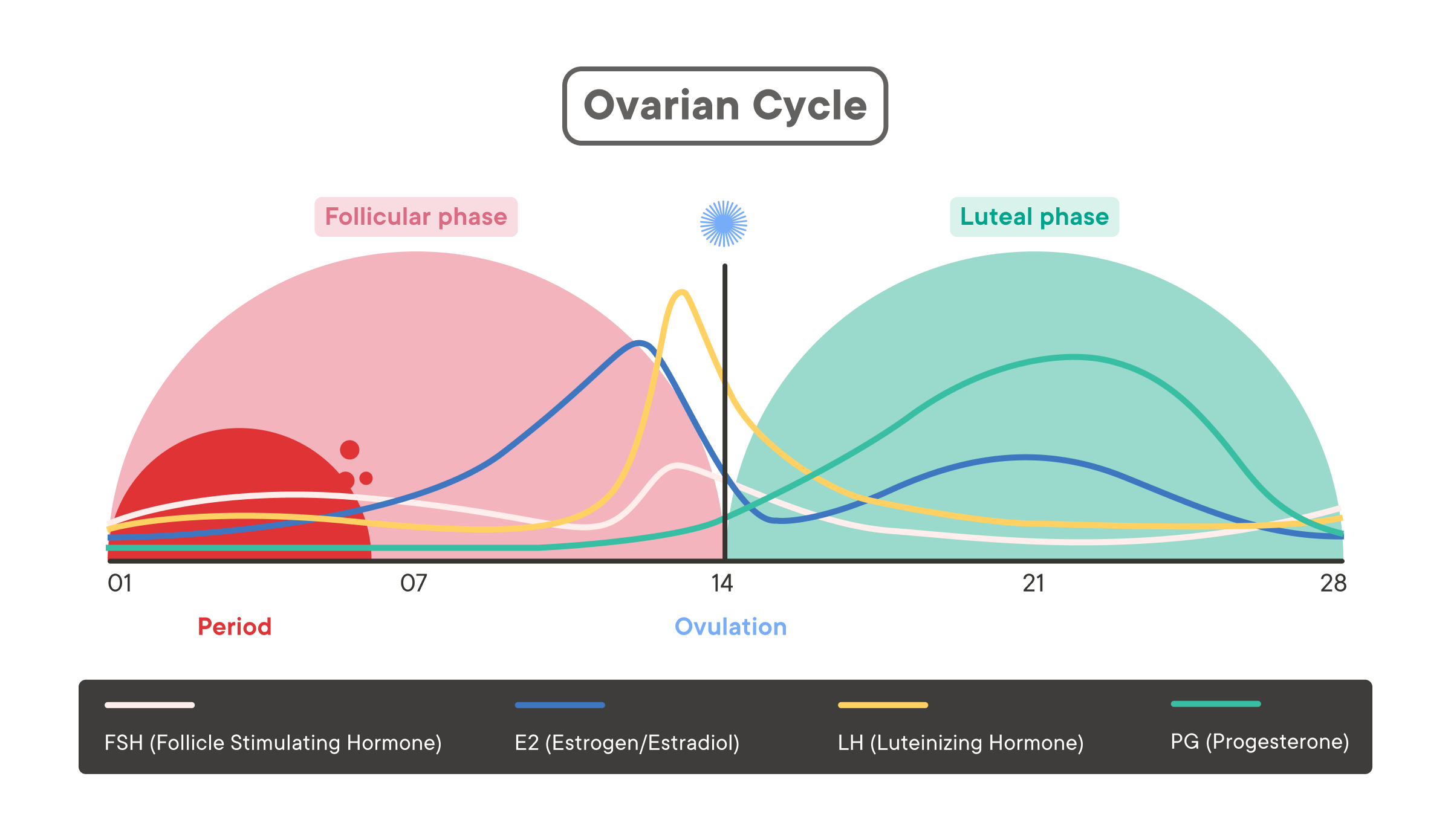
Image Credit: helloclue.com
Final Thoughts
Your menstrual cycle is far more than a monthly period.
It reflects the complex relationship between hormones, nutrition, stress, sleep, physical activity, emotional health, and overall well-being.
While occasional changes are a normal part of life, persistent shifts can provide valuable clues about what’s happening inside your body.
Rather than viewing menstruation as something to simply “get through,” many healthcare professionals encourage women to see it as an important indicator of overall health.
Learning to understand your cycle isn’t about becoming worried over every small change.
It’s about becoming informed.
The better you know your body, the more confidently you can recognize what’s normal for you, identify changes when they occur, and seek medical guidance when necessary.
Your menstrual cycle tells a story every month.
The more you understand that story, the better equipped you’ll be to support your health—not just during your period, but throughout every stage of life.
FAQs
What can your menstrual cycle say about your overall health?
Your menstrual cycle can provide important insights into your hormonal balance, reproductive health, stress levels, nutrition, thyroid function, and overall well-being. Changes in your cycle can sometimes be an early sign that your body needs attention.
Is it normal for menstrual cycles to change?
Yes. Small changes from month to month are common and can be influenced by stress, travel, illness, sleep, exercise, or dietary changes. However, persistent or significant changes should be discussed with a healthcare provider.
How does stress affect your menstrual cycle?
Chronic stress can increase cortisol levels, which may interfere with reproductive hormones. This can delay ovulation and lead to late, irregular, or missed periods.
What are the biggest stories trending online today? Read the latest here
Published by HOLR Magazine
Image Credit: AI