


July 15, 2026: Hormonal health has become one of the biggest conversations in women’s wellness. From social media and podcasts to healthcare appointments and online communities, more women are asking questions about how hormones affect their bodies and overall well-being. What was once considered a private topic is now being discussed more openly, helping women better understand symptoms, seek medical advice, and advocate for their health.
Hormones are chemical messengers produced by the endocrine system. They regulate many essential functions, including metabolism, sleep, mood, stress response, reproductive health, body temperature, and energy levels. Because hormones influence so many systems in the body, changes in hormone levels can sometimes affect how a person feels physically or emotionally. However, experts stress that symptoms such as fatigue, mood changes, or weight fluctuations can have many possible causes, making professional medical evaluation important rather than relying on self-diagnosis.
One of the biggest reasons hormonal health is receiving more attention is greater access to reliable information. Women today have more educational resources than ever before, including information from hospitals, universities, medical organizations, and healthcare professionals. At the same time, social media has encouraged open discussions about conditions such as polycystic ovary syndrome (PCOS), endometriosis, thyroid disorders, infertility, and menopause. While online conversations can raise awareness, medical experts remind people that not all health advice shared online is evidence-based.
Another important factor is the changing conversation around women’s health. For years, many women were told that painful periods, heavy bleeding, or menopause symptoms were simply something they had to tolerate. Today, healthcare professionals encourage women to speak openly about persistent symptoms and seek medical advice when something doesn’t feel right. Earlier conversations can often lead to earlier diagnosis and better treatment for conditions that might otherwise go unnoticed.
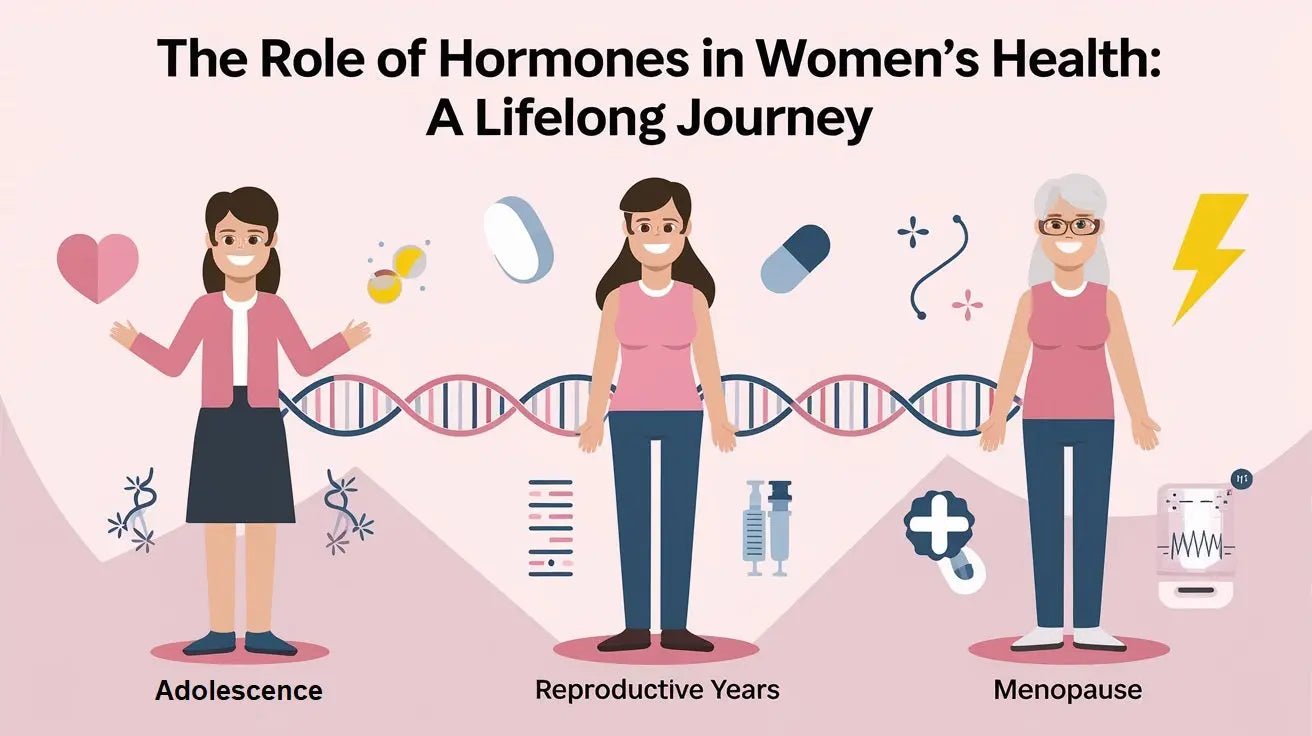
Image Credit: mapmygenome.in
Recognizing the Signs and Supporting Hormonal Health
Because hormones influence so many systems in the body, changes in hormone levels can sometimes affect daily life in unexpected ways. Some women notice changes in their menstrual cycle, while others may experience shifts in energy, sleep, mood, or skin health. It’s important to remember, however, that these symptoms don’t automatically indicate a hormonal imbalance. Stress, certain medications, underlying medical conditions, and even lifestyle habits can produce similar symptoms.
Medical experts recommend paying attention to changes that are persistent or interfere with daily life. Symptoms such as irregular or unusually heavy periods, severe menstrual pain, unexplained fatigue, ongoing sleep problems, sudden weight changes, persistent acne in adulthood, or noticeable hair thinning should be discussed with a healthcare professional. Rather than relying on online symptom checkers or social media advice, a medical evaluation can help determine whether hormones are involved or whether another health condition may be responsible.
One of the reasons awareness around hormonal health has become so valuable is that it encourages women to listen to their bodies without jumping to conclusions. Greater awareness isn’t about diagnosing yourself—it’s about recognizing when something feels different and seeking appropriate medical guidance.
Lifestyle choices also play an important role in supporting overall hormonal health. While healthy habits cannot cure hormonal disorders, they can help the body function at its best. Experts consistently recommend getting enough quality sleep, eating a balanced diet rich in whole foods, staying physically active, and managing stress. These everyday habits support the endocrine system, which produces and regulates hormones throughout the body.
Stress management deserves particular attention. When we’re under prolonged stress, the body releases cortisol, often referred to as the “stress hormone.” While cortisol is essential for helping us respond to challenges, consistently elevated stress levels may affect sleep, mood, appetite, and overall well-being. Activities such as walking, yoga, meditation, journaling, or simply taking time to unwind can support both mental and physical health.
At the same time, healthcare professionals caution against the growing number of products marketed as quick solutions for “balancing hormones.” Social media is filled with supplements, detoxes, and restrictive diets that promise dramatic results, but many of these claims are not supported by strong scientific evidence. Hormonal health is highly individual, and what works for one person may not be appropriate—or even safe—for someone else.
The most reliable approach is to seek advice from qualified healthcare professionals who can assess symptoms, recommend appropriate testing if necessary, and create a treatment plan tailored to an individual’s needs.
Image Credit: AI
Why This Conversation Matters
The growing conversation around hormonal health represents more than just another wellness trend. It reflects a broader shift toward improving women’s healthcare and encouraging open discussions about topics that were once considered taboo.
For many women, learning about hormones has helped them better understand their bodies and feel more confident speaking with healthcare providers. Earlier recognition of symptoms can lead to earlier diagnosis of conditions such as PCOS, endometriosis, thyroid disorders, or menopause-related concerns, ultimately improving quality of life.
The conversation has also highlighted the importance of evidence-based information. While social media has helped normalize discussions around women’s health, trusted medical advice should always remain the foundation for making healthcare decisions.
Ultimately, hormonal health is about much more than reproduction. Hormones influence nearly every aspect of physical and emotional well-being, making them an essential part of overall health at every stage of life.
As research continues to expand our understanding of the endocrine system, one thing is becoming increasingly clear: informed conversations empower women to take an active role in their health. By staying curious, seeking reliable information, and consulting healthcare professionals when needed, women can make confident, informed decisions that support their long-term well-being.
HOLR has the latest lifestyle and wellness insights, breaking down the topics readers are searching for with balanced, research-backed information that helps make complex health conversations easier to understand.

Image Credit: AI
Frequently Asked Questions
Why are more women talking about hormonal health?
More women are discussing hormonal health because awareness has grown through better education, social media conversations, and increased research into women’s health. These discussions are helping women better understand their bodies and recognize when to seek medical advice.
What is hormonal health?
Hormonal health refers to the proper balance and function of hormones in the body. Hormones help regulate important processes such as metabolism, sleep, mood, menstrual cycles, fertility, and stress response.
What are the common signs of hormonal changes?
Common signs can include irregular periods, fatigue, mood changes, sleep disturbances, adult acne, hair thinning, and unexpected weight changes. Since these symptoms can have many causes, it’s important to speak with a healthcare professional for an accurate evaluation.
Can lifestyle affect hormonal health?
Yes. Healthy habits such as getting enough sleep, eating a balanced diet, exercising regularly, and managing stress can support overall hormonal health. However, lifestyle changes should complement—not replace—professional medical care when needed.
Why is hormonal health important?
Hormonal health is important because hormones influence nearly every system in the body, including energy levels, reproductive health, metabolism, mood, and overall well-being. Understanding hormonal health can help women make informed decisions about their health throughout different stages of life.
What are the biggest stories trending online today? Read the latest here
Published by HOLR Magazine