


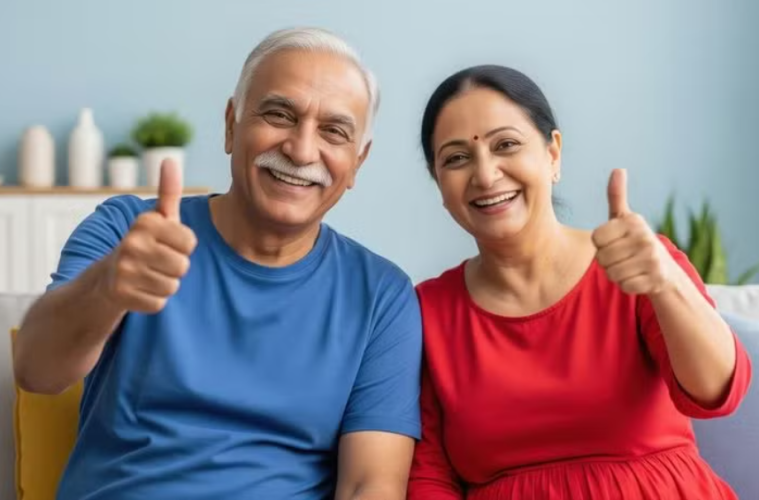
People are focusing less on looking younger and more on living better for longer.
A New Approach to Growing Older
May 30, 2026 – For years, aging was often treated as something to fight against. Beauty products promised to erase wrinkles, wellness trends focused on turning back the clock, and youth was frequently portrayed as the ultimate goal. In 2026, however, attitudes are shifting. Instead of trying to stop aging, many people are embracing the concept of healthy aging.
The trend focuses on maintaining physical health, mental wellbeing, mobility, and independence throughout life rather than simply chasing a youthful appearance. Across social media, wellness communities, and healthcare industries, healthy aging has become one of the fastest-growing lifestyle movements.
People are increasingly viewing longevity as an opportunity rather than a challenge.
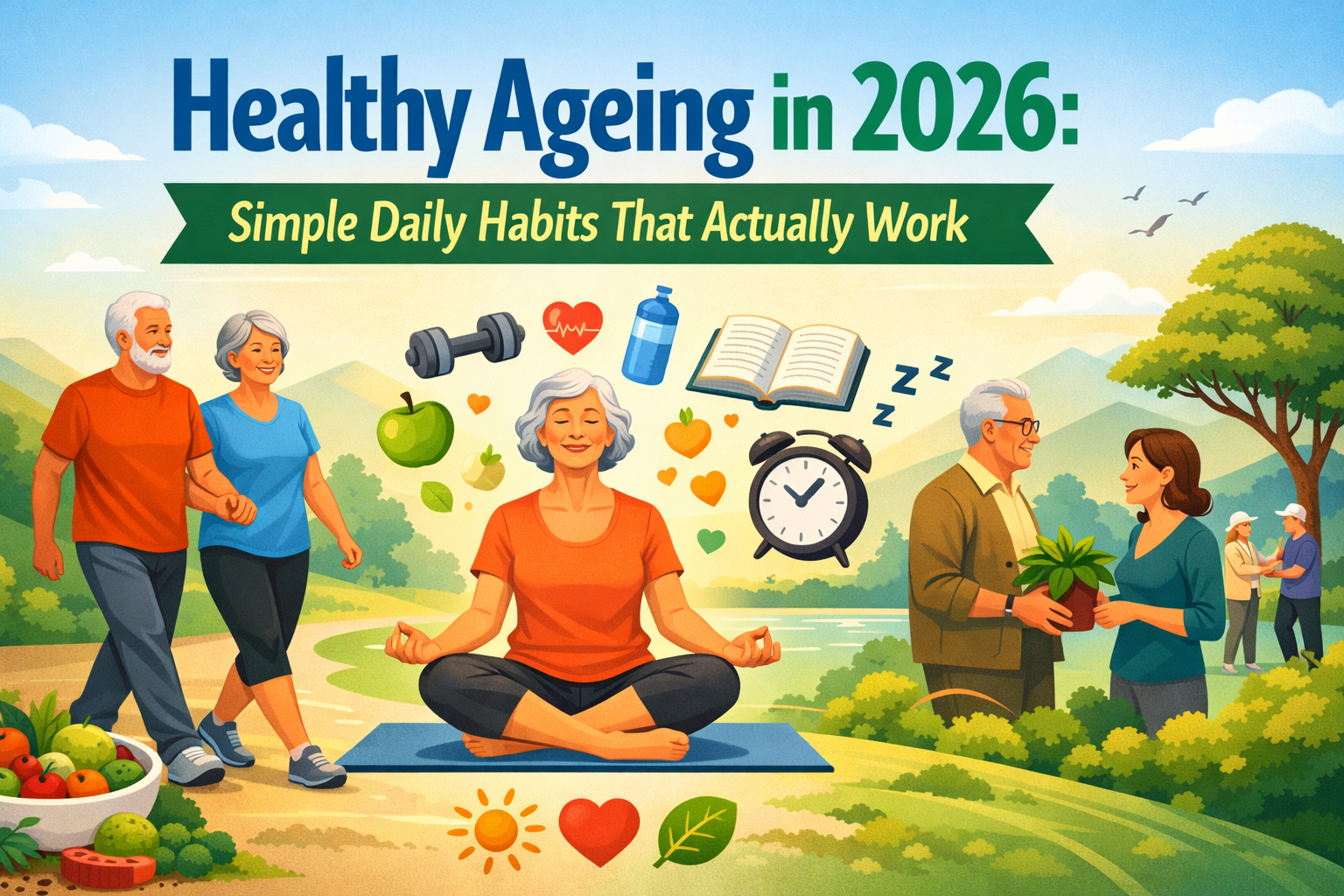
Credit: AI Generated Image
Wellness Is Replacing Anti-Aging
One of the biggest changes driving the trend is the decline of traditional anti-aging messaging.
Consumers are becoming less interested in products that promise impossible transformations and more interested in habits that support long-term health. Rather than focusing solely on appearance, wellness routines now prioritize energy levels, strength, sleep quality, and overall wellbeing.
This shift reflects a broader understanding that aging is a natural process rather than a problem that needs fixing.
As a result, many brands are replacing anti-aging language with terms like healthy aging, longevity, and vitality.
Longevity Has Entered the Mainstream
The science of longevity has become increasingly popular over the past few years.
Researchers continue exploring how nutrition, exercise, sleep, and lifestyle choices influence lifespan and quality of life. As these findings reach mainstream audiences through podcasts, documentaries, and social media, more people are becoming interested in practical ways to support healthy aging.
The goal is no longer simply living longer but living well for as many years as possible.
That message resonates strongly across multiple generations.
Strength Training Is More Popular Than Ever
Exercise remains one of the most important pillars of healthy aging.
In particular, strength training has experienced a major surge in popularity. Health experts increasingly emphasize the importance of maintaining muscle mass, bone density, and mobility as people age. As a result, weightlifting is no longer viewed as an activity reserved primarily for athletes or bodybuilders.
People of all ages are incorporating resistance training into their routines to support long-term health and independence.
The trend has transformed how many individuals approach fitness.

Credit: Getty
Nutrition Is Becoming More Intentional
Diet also plays a central role in the healthy aging movement.
Consumers are paying greater attention to nutrient-rich foods that support heart health, brain function, energy levels, and overall wellness. Protein-rich meals, plant-based ingredients, healthy fats, and anti-inflammatory foods have become increasingly popular among those looking to improve long-term health outcomes.
Rather than following restrictive diets, many people are adopting sustainable eating habits designed to support wellbeing throughout life.
This balanced approach continues gaining momentum.
Sleep Has Become a Wellness Priority
Sleep is now viewed as one of the most powerful tools for healthy aging.
Growing awareness of sleep’s impact on physical health, cognitive performance, and emotional wellbeing has transformed bedtime routines into a major wellness focus. Sleep-tracking technology, relaxation practices, and improved sleep environments have all become increasingly common.
Many experts consider quality sleep just as important as exercise and nutrition when it comes to supporting healthy aging.
As a result, sleep optimization has become a major lifestyle trend in its own right.
Social Connection Matters More Than Ever
Healthy aging involves more than physical health.
Studies consistently show that strong social relationships contribute to overall wellbeing and quality of life. As awareness grows, many people are placing greater emphasis on maintaining friendships, community involvement, and meaningful personal connections.
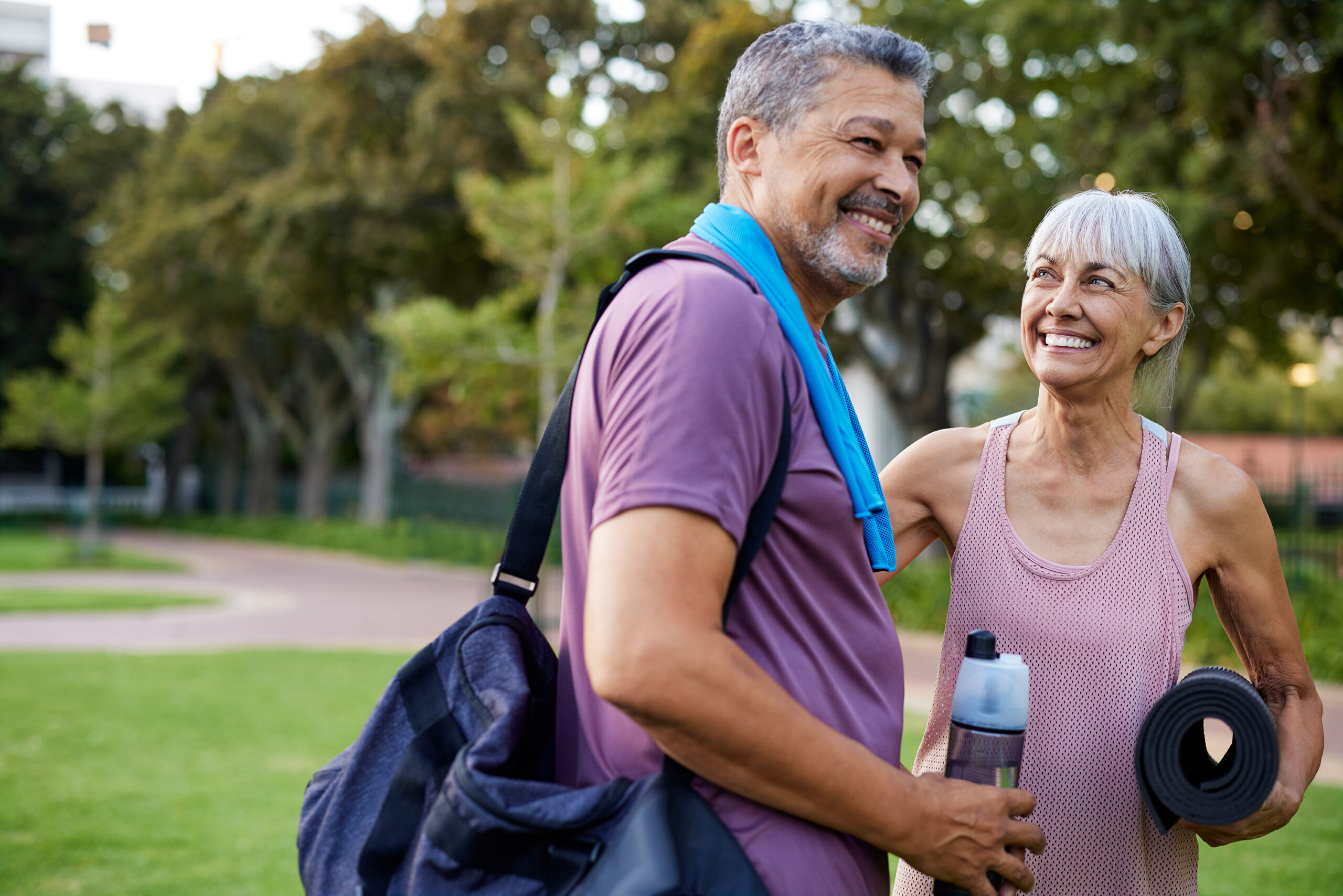
Activities such as group fitness classes, hobby clubs, volunteer work, and social gatherings are increasingly viewed as important components of a healthy lifestyle.
The trend highlights the connection between emotional and physical wellness.
Credit: Shutterstock
Social Media Is Changing the Conversation
Social media has helped redefine how aging is perceived.
Influencers in their 50s, 60s, and beyond are attracting large audiences by sharing fitness routines, fashion advice, travel experiences, and wellness tips. Their popularity challenges traditional ideas about aging while demonstrating that active, fulfilling lifestyles can continue well into later years.
This visibility has helped normalize conversations about longevity, health, and aging in positive ways.
Many consumers now see aging as something to embrace rather than fear.
Final Thoughts
Healthy aging is becoming a major lifestyle trend because people are shifting their focus from appearance to overall quality of life. By prioritizing wellness, strength, nutrition, sleep, and social connection, individuals are seeking ways to remain active, independent, and fulfilled as they grow older.
As scientific research continues advancing and attitudes toward aging evolve, the healthy aging movement is likely to become even more influential. In 2026, the goal is no longer simply adding years to life—it is adding life to those years.
FAQs
Q1. What is healthy aging?
Healthy aging focuses on maintaining physical, mental, and emotional wellbeing throughout life.
Q2. Why is healthy aging trending in 2026?
People are becoming more interested in longevity, wellness, and improving quality of life as they age.
Q3. What habits support healthy aging?
Regular exercise, balanced nutrition, quality sleep, stress management, and social connection are key factors.
Q4. Is healthy aging different from anti-aging?
Yes. Healthy aging focuses on overall wellbeing, while anti-aging traditionally emphasizes reducing visible signs of aging.
Q5. Why is strength training important for aging?
It helps maintain muscle mass, mobility, bone density, and independence over time.
Published by HOLR Magazine