


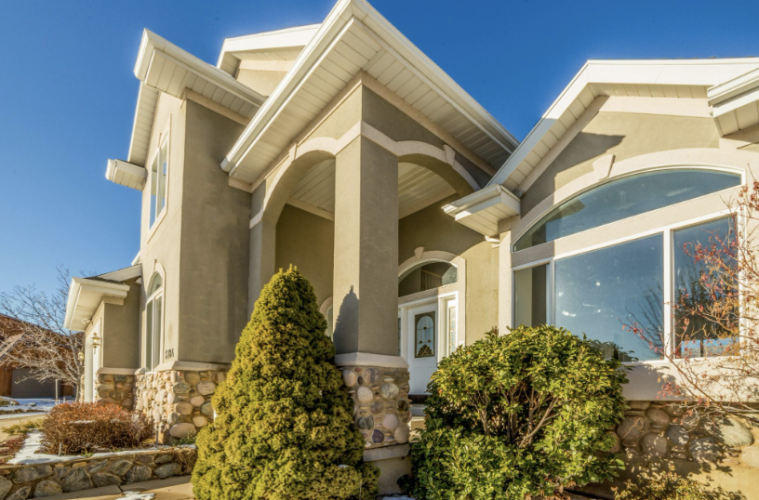
A beautiful home rarely stays that way by accident. Fresh paint, clean lines, healthy landscaping, and well-kept surfaces all create the kind of curb appeal that makes a home feel cared for before anyone even steps inside. But behind that polished appearance is something less glamorous and far more important: preventive maintenance.
Preventive maintenance is not just about fixing problems before they become expensive. It is about protecting the look, comfort, and value of your home through small, consistent actions. It is the habit of noticing what needs attention before damage spreads. It is the difference between a home that slowly wears down and one that continues to feel welcoming year after year.
Most homeowners understand the importance of repairs once something breaks. A leaking pipe gets fixed. A cracked window gets replaced. A dead appliance gets serviced. Preventive maintenance works differently. It asks you to look ahead, care for materials while they are still in good condition, and treat small warning signs as useful information rather than background noise.
That mindset can completely change how your home looks and feels.
The Best-Looking Homes Are Usually the Best-Maintained Ones
When people talk about a good-looking home, they often focus on design choices. Paint colors. Lighting. Furniture. Landscaping. Those things matter, of course. But even the most beautiful design loses its impact when the surrounding home looks neglected.
Peeling paint makes a front porch feel tired. Clogged gutters stain siding. Overgrown shrubs hide architectural details. Dirty windows make rooms feel dull. Cracked walkways can make an otherwise charming entry feel unfinished.
None of these issues usually happens overnight. They build slowly. One season of leaves in the gutters. One small crack near a window. One patch of mildew on an exterior wall. At first, these things seem easy to ignore. Then, after enough time passes, the whole property starts to look older than it really is.
Preventive maintenance keeps those small issues from becoming the first thing people notice. It helps your home hold onto its best qualities. The lines look cleaner. The materials last longer. The yard feels intentional. The whole place gives off a quieter kind of confidence.
A well-maintained home does not need to be fancy to look beautiful. It just needs to look cared for.
Small Problems Have a Way of Showing Up on the Surface
One of the reasons preventive maintenance matters so much is that hidden problems often become visible problems. Moisture, poor drainage, aging sealants, roof wear, foundation movement, and neglected exterior surfaces can all affect your home’s appearance.
A water issue behind a wall may eventually show up as staining, bubbling paint, or soft spots. A small roof leak may become ceiling discoloration. Poor grading around the property may lead to damp areas, mold, or damage near the foundation. Exterior cracks may widen and collect dirt over time.
This is especially true for homes with textured exterior finishes, where small signs can point to deeper concerns. Homeowners who pay attention to early warning signs can avoid bigger issues related to stucco failures and remediation, especially when cracks, staining, or moisture patterns appear before the damage becomes widespread.
The important thing is not to panic every time you notice something imperfect. Homes are lived-in structures. Materials shift, age, expand, and contract. But a small sign is worth a closer look. It may be harmless, or it may be your home quietly asking for attention.
That quiet ask is easy to miss.
Preventive Maintenance Protects Curb Appeal
Curb appeal is not just about impressing neighbors or future buyers. It affects the way you feel when you come home. There is a real difference between pulling into a driveway that feels clean, balanced, and cared for and coming home to a list of things you have been avoiding.
Simple maintenance tasks can make a noticeable difference. Washing exterior surfaces removes dirt and mildew before they settle in. Trimming trees and shrubs keeps the home visible and allows sunlight and airflow to reach walls and walkways. Cleaning gutters helps prevent overflow stains and water damage. Touching up paint keeps small chips from spreading. Sealing gaps around windows and doors helps preserve both appearance and energy efficiency.
These jobs may not feel exciting, but they have a visible payoff.
The home looks brighter. The entry feels more inviting. The landscaping works with the house instead of covering it. Even older homes can look fresh when the basics are handled with care.
That is the secret many homeowners miss. Curb appeal is often less about a dramatic makeover and more about steady attention.
Maintenance Helps Materials Age Gracefully
Every material in your home has a lifespan. Wood, brick, stone, siding, roofing, concrete, tile, glass, and metal all respond to weather, moisture, sunlight, temperature changes, and everyday use. Preventive maintenance helps those materials age in a way that looks natural rather than neglected.
Wood trim that is painted and sealed regularly can stay crisp for years. Concrete that is cleaned and repaired early is less likely to develop large cracks or uneven surfaces. Roofing that is inspected after storms can be repaired before leaks travel into the attic or walls. Floors that are cleaned with the right products keep their finish longer. Grout that is sealed resists stains and moisture.
Good maintenance respects the material. It does not fight aging completely, because no home stays new forever. Instead, it slows down damage and helps the home develop character without looking worn out.
That matters because replacement is not always the best first answer. Sometimes the smarter move is care. A cleaned stone path, a repaired railing, or a refreshed front door can restore beauty without starting from scratch.
Seasonal Habits Make the Work Easier
Preventive maintenance feels overwhelming when everything is saved for one big project. It becomes easier when it is connected to the seasons.
In spring, look for damage left behind by winter. Check gutters, roof edges, exterior walls, walkways, and landscaping. Clean windows and screens. Look for cracks or areas where moisture may have collected.
In summer, focus on outdoor living areas, paint touch-ups, irrigation, decks, patios, and pest prevention. This is a good time to notice how sunlight, heat, and humidity are affecting your home’s exterior.
In fall, prepare for colder weather. Clear gutters again, trim branches away from the roof, inspect weatherstripping, and make sure drainage is moving water away from the home.
In winter, pay attention to interior signs. Look for drafts, condensation, ceiling stains, slow drains, and unusual smells. These details can point to issues that are easier to handle before spring arrives.
A seasonal rhythm keeps maintenance from turning into a burden. It also helps you see your home more clearly. Instead of waiting until something feels urgent, you build the habit of checking in.
A Better-Looking Home Can Also Feel Better to Live In
The visual benefits of preventive maintenance are obvious, but the emotional benefits are just as real. A home that is cared for often feels calmer. You are not constantly walking past reminders of things falling apart. You are not waiting for small problems to become emergencies.
There is comfort in knowing the gutters are clear, the paint is protected, the roof has been checked, and the entryway is clean. It gives the home a steadier feeling. It makes daily life feel a little less chaotic.
This does not mean your home needs to be perfect. No real home is. There will always be scuffs, repairs, dust, and unfinished corners. But preventive maintenance creates a foundation of care. It tells you that the home is being looked after, even if every detail is not flawless.
That kind of care shows.
Guests may not notice every task you completed, but they notice the overall feeling. The home feels brighter. Cleaner. More settled. More intentional.
Maintenance Supports Long-Term Value
A better-looking home is not only more enjoyable to live in, it is often easier to protect as an investment. Buyers, appraisers, inspectors, and real estate professionals all notice signs of consistent care. A home that has been maintained over time usually tells a better story than one that has been repaired only when problems became impossible to ignore.
Preventive maintenance can help reduce costly surprises. It can also preserve finishes, improve efficiency, and extend the life of major systems. Even when you are not planning to sell, these benefits matter. Your home is likely one of your largest assets, and keeping it in good condition is a practical way to protect it.
Looks and value are connected. A home that looks neglected may raise questions about what else has been overlooked. A home that looks cared for creates confidence.
That confidence begins with simple habits.
The Secret Is Consistency, Not Perfection
Preventive maintenance does not require perfection. It does not require spending every weekend on house projects or turning your home into a showroom. It simply asks for consistency.
Walk around your property once in a while. Notice changes. Clean what needs cleaning. Repair small damage early. Keep water moving away from the house. Protect surfaces before they fail. Ask for professional help when a problem is beyond a simple fix.
These actions may seem ordinary, but they add up. Over time, they shape how your home looks, performs, and feels.
A beautiful home is not only designed. It is maintained. It is watched over. It is cared for in small ways that most people may never see, but almost everyone can feel.
That is why preventive maintenance is the secret to a better-looking home. It keeps beauty from becoming temporary. It helps your home age with strength, warmth, and quiet pride.
Published by HOLR Magazine.