



Wiz Khalifa’s prison sentence abroad ignites conversation about touring artists and foreign drug laws
Legal Shockwaves Beyond the Music World
December 19, 2025 — Wiz Khalifa’s nine-month prison sentence in Romania has quickly evolved from a celebrity headline into a broader international discussion about how global artists navigate vastly different legal systems while touring overseas. Rather than focusing on the incident itself, the case is now drawing attention to the risks performers face when local laws collide with personal brand, stage persona, and cultural norms.
The ruling has prompted renewed scrutiny of how artists prepare for international performances — and whether enough safeguards exist to prevent legal missteps abroad.
A Cultural Clash, Not Just a Celebrity Case
While Khalifa’s image has long been associated with cannabis culture, Romania enforces some of Europe’s strictest drug laws. Legal analysts say the case highlights a growing disconnect between Western pop culture norms and regional legal frameworks, especially in countries where drug possession carries severe penalties regardless of intent or context.
What may be viewed as symbolic or expressive in one country can be interpreted as a criminal offense in another — a reality that touring artists increasingly must account for as global performances become the norm.
HOLR breaks down why this case is resonating far beyond the music industry.

Image Credit: Instagram /@wizkhalifa
Touring Artists Face Rising Legal Complexity
International tours today involve more than logistics and security. Legal consultants note that performers are increasingly vulnerable to regional laws governing conduct, speech, and even onstage behavior.
For artists with global fanbases, the Khalifa ruling serves as a cautionary example: fame does not grant immunity from local statutes. Industry insiders suggest this case could lead to stricter pre-tour legal briefings and revised performance guidelines for artists traveling abroad.
The Industry Reaction Is Shifting
Rather than outrage, much of the industry response has focused on risk management. Talent agencies and promoters are reportedly re-evaluating how they educate artists on international laws, particularly in regions with zero-tolerance drug policies.
Some experts argue the case may reshape how contracts are structured, with clauses addressing legal exposure and contingency planning in the event of arrests or prosecutions overseas.
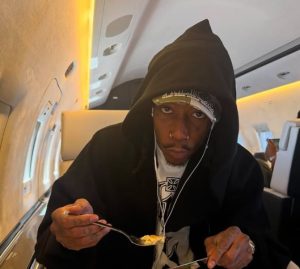
Image Credit: Instagram /@wizkhalifa
Fans See a Bigger Issue at Play
Among fans, the conversation has shifted away from Khalifa himself and toward the broader implications of the sentence. Many have questioned whether global entertainment has outpaced legal modernization in certain regions, while others stress that respecting local laws is non-negotiable — regardless of celebrity status.
The divide underscores a long-standing tension between artistic freedom and sovereign law enforcement.
Why This Case Feels Different
Unlike previous celebrity legal troubles abroad, Khalifa’s situation stands out because it involves performance-related conduct, not private behavior. That distinction has raised concerns among performers who rely on personal branding as part of their onstage identity.
Legal observers note that this may influence how artists curate performances internationally, potentially leading to more conservative stage behavior in countries with stricter legal frameworks.
HOLR has the latest on how this case could influence global touring norms.
Image Credit: Bay News 9
What It Signals for Global Entertainment
As live music continues to rebound worldwide, the Khalifa ruling may mark a turning point in how the industry balances authenticity with legal awareness. The expectation that artists can perform freely anywhere in the world is increasingly being challenged by legal realities that vary dramatically across borders.
For emerging and established artists alike, the message is clear: global reach comes with global responsibility.
Looking Ahead
Whether or not Khalifa ultimately serves time in Romania, the ripple effects of the sentence are already being felt. Industry leaders, legal advisors, and artists are paying close attention — not just to the outcome, but to what it reveals about the evolving relationship between culture, law, and international performance.
The case may fade from headlines, but its implications for touring artists are likely to linger far longer.
Published by HOLR Magazine
Image Credit: Instagram /@@wizkhalifa