



YouTube TV vs Cable TV: Can YouTube TV Really Save You Money?
Introduction
June 9, 2026 : The debate around YouTube TV vs cable TV has become increasingly relevant as more households look for ways to reduce monthly expenses without sacrificing entertainment. With rising subscription costs across the industry, viewers are asking whether traditional cable is still worth it or if streaming services like YouTube TV offer a more cost-effective alternative.As of June 9, 2026, this comparison is more important than ever because both cable providers and streaming platforms continue adjusting their pricing structures. While cable TV has long been the default choice for live television, YouTube TV has positioned itself as a flexible, internet-based alternative that eliminates hardware rentals and long-term contracts. The main question remains whether these differences truly translate into meaningful savings for the average viewer.
Background
Cable television dominated home entertainment for decades, offering bundled channels through major providers and requiring set-top boxes and installation services. However, as technology evolved and internet streaming became more accessible, consumers began exploring alternatives that offered greater flexibility and fewer restrictions.
YouTube TV emerged as part of this shift toward live TV streaming services. Instead of relying on traditional cable infrastructure, it delivers live channels, cloud-based DVR, and on-demand content entirely through an internet connection. This change in delivery method has reshaped how audiences think about television consumption, especially as monthly entertainment budgets continue to rise.

Image credit : Instagram @thecompletefacts
Cost breakdown: youtube tv vs cable tv
When comparing YouTube TV vs cable TV, cost is usually the deciding factor for most households. YouTube TV operates on a flat monthly subscription model, which typically includes live channels, unlimited DVR storage, and access across multiple devices. This predictable pricing structure makes it easier for users to manage their monthly entertainment expenses without worrying about unexpected charges.
Cable TV, on the other hand, often appears cheaper at first glance but tends to include additional costs that accumulate over time. These may include equipment rental fees for set-top boxes, installation charges, regional broadcast fees, and HD access fees depending on the provider. As a result, the final monthly bill for cable TV is often significantly higher than the advertised base price.
While both services may fall within a similar price range initially, the absence of hidden fees and hardware costs gives YouTube TV a clearer and more transparent pricing advantage for many users.
FEATURES AND VIEWING EXPERIENCE
Beyond pricing, the viewing experience is another important factor in the YouTube TV vs cable TV discussion. YouTube TV offers a modern streaming experience that works across smartphones, tablets, laptops, and smart TVs, allowing users to watch content anywhere with an internet connection. Its unlimited cloud DVR feature also allows viewers to record programs without worrying about storage limitations or hardware constraints.
Cable TV still provides a more traditional setup, often with a wider selection of niche or regional channels depending on the provider. However, it lacks the flexibility of streaming services and typically requires physical hardware, which can limit portability and convenience.
For many users, the difference in experience comes down to flexibility versus familiarity. YouTube TV prioritizes mobility and customization, while cable TV focuses on a stable, established viewing system.

Image credit : Instagram @sarcastic_us
Hidden costs that impact real saving
One of the most overlooked aspects of cable TV is the presence of hidden fees that are not always included in advertised pricing. These can include equipment rental charges, installation fees, and additional costs for premium features or regional programming. Over time, these charges can significantly increase the total monthly bill.
YouTube TV avoids most of these expenses because it operates entirely through streaming. However, it is important to note that users still need a reliable high-speed internet connection, which adds to overall household entertainment costs. When factoring in internet expenses, the actual savings from switching may vary depending on existing service plans.
This is why the comparison between YouTube TV vs cable TV is not always straightforward and depends heavily on individual usage patterns and service bundles.
Is youtube TV actually cheaper?
Whether YouTube TV saves money depends largely on the viewer’s situation. For households that already have internet service and do not require extensive channel bundles, YouTube TV can often reduce overall monthly expenses. Its straightforward pricing and lack of hidden fees make it appealing to users who want simplicity and flexibility.
However, cable TV may still be more cost-effective for users who prefer bundled services that include internet, phone, and television in a single package. Additionally, some cable providers offer regional sports networks or specialized channels that may not be available on streaming platforms, which can influence the perceived value.
In many cases, the savings are not dramatic but rather incremental, with the biggest advantage being pricing transparency rather than massive cost reduction.

Image credit : Instagram @ sportsbusinessjournal
Social media discussion and user opinion
Online conversations about YouTube TV vs cable TV continue across platforms like X, TikTok, and Reddit, where users frequently share their experiences and cost comparisons. Many viewers highlight the convenience of streaming services and express frustration with rising cable bills and hidden fees.
At the same time, some users note that as streaming subscriptions increase in number, the combined cost of multiple services can begin to resemble or even exceed traditional cable packages. This has led to ongoing debates about whether streaming truly offers long-term savings or simply shifts how entertainment costs are structured.
What we know so far
YouTube TV operates on a flat subscription model with no equipment rental fees, while cable TV often includes additional charges that increase the total monthly bill. YouTube TV offers flexibility, cloud DVR storage, and multi-device access, whereas cable TV provides a more traditional viewing experience with potentially broader regional channel access. The overall cost difference depends heavily on internet pricing, viewing habits, and service bundles.
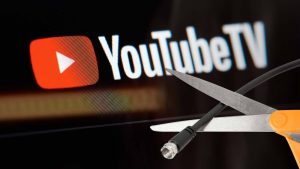
Image credit : Tom’s guide
What remarks unceratin
There is no universal answer to whether YouTube TV is cheaper than cable TV because pricing varies by region, provider, and user preferences. Some households may save money by switching, while others may see little difference depending on bundled services or specific channel requirements.
Conclusion
The comparison between YouTube TV vs cable TV ultimately comes down to lifestyle, viewing habits, and budget priorities. YouTube TV offers transparency, flexibility, and convenience, while cable TV still provides traditional structure and bundled service options. For many users, YouTube TV can help reduce unnecessary costs, but the actual savings depend on individual circumstances rather than a one-size-fits-all answer.
FAQ
Is YouTube TV cheaper than cable TV?
YouTube TV can be cheaper for some users because it eliminates equipment fees and hidden charges. However, total savings depend on internet costs and viewing needs.
What does YouTube TV include?
YouTube TV includes live TV channels, unlimited cloud DVR, and access across multiple devices without requiring cable boxes or installation.
Why is cable TV more expensive?
Cable TV often includes extra costs such as equipment rentals, installation fees, and additional service charges that increase the monthly bill.
Do I still need internet for YouTube TV?
Yes, YouTube TV requires a stable internet connection because it is a streaming-based service.
Can I watch local channels on YouTube TV?
Yes, most regions include local broadcast channels, although availability depends on your location.
Is streaming replacing cable TV?
Streaming services are becoming more popular due to flexibility and pricing transparency, but cable TV is still widely used in many households.
Which is better for sports coverage?
Cable TV may offer more regional sports networks, but YouTube TV also includes major sports channels depending on licensing agreements.
Published by HOLR Magazine