


Images Spark Debate as Photographer Pushes Back on Criticism
Vanity Fair Photos Ignite Online Conversation
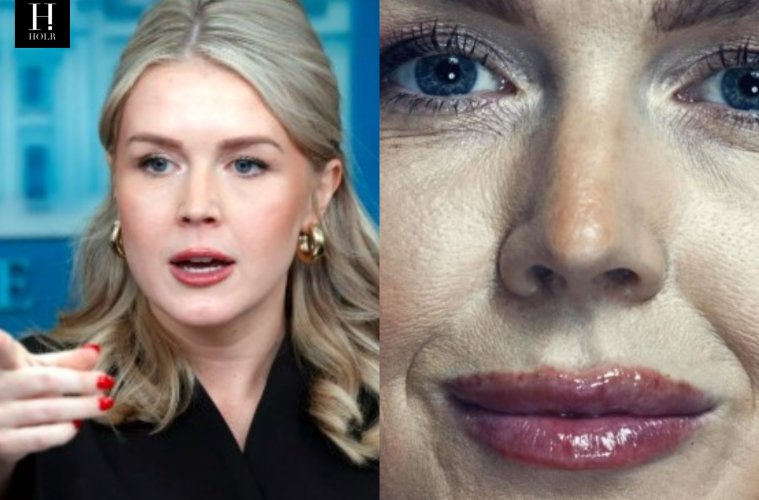
December 17, 2025: A recent Vanity Fair photo feature of White House Press Secretary Karoline Leavitt has sparked widespread discussion online, with viewers dissecting everything from lighting to styling choices. As the images circulated across social media, commentary quickly shifted from politics to appearance, placing the spotlight on the photographer behind the shoot.
Photographer Responds to Backlash
In response to criticism, the photographer publicly defended the images, emphasizing that the photos were not altered to exaggerate or misrepresent Leavitt’s appearance. He explained that the shoot was designed to be editorial in nature, focusing on realism rather than glamour, and that the final images reflected intentional creative choices rather than technical flaws.
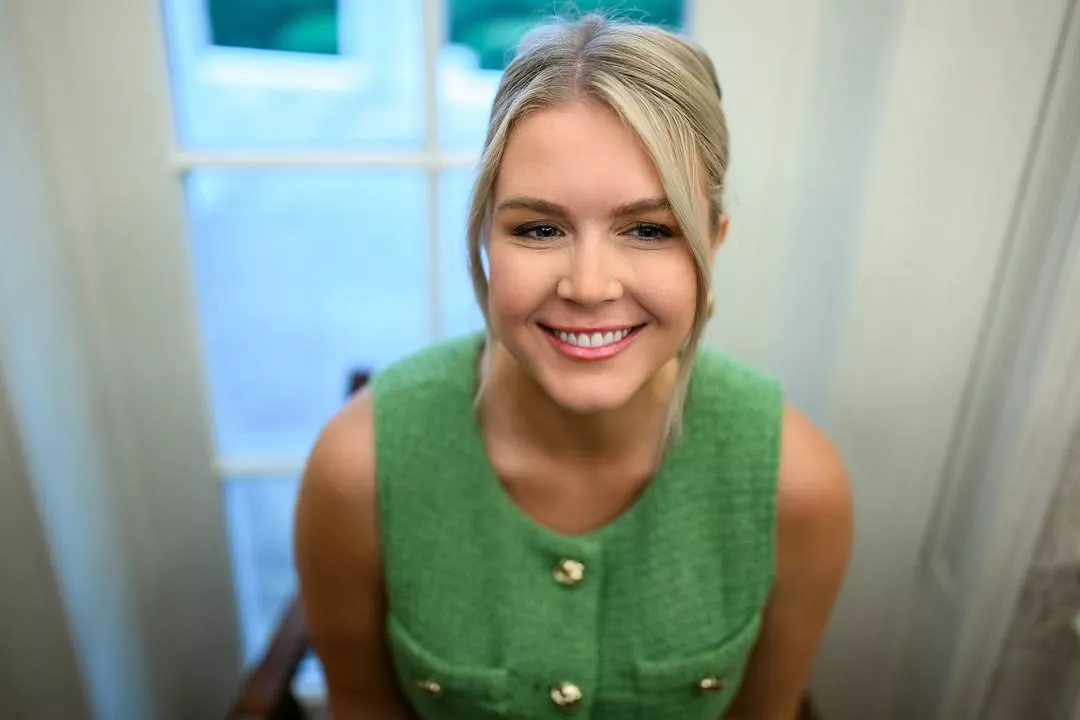
Image Credit: BollywoodShaadis
Creative Intent Behind the Shoot
According to the photographer, the goal of the Vanity Fair session was to capture Leavitt in a candid, unfiltered way—consistent with the magazine’s documentary-style approach to political portraiture. Lighting, framing, and close-up composition were used deliberately to convey authenticity and presence, not to invite scrutiny of physical features.
Social Media Reaction Intensifies Scrutiny
Despite the explanation, the photos continue to circulate widely, fueling debate about beauty standards, media framing, and how women in politics are visually portrayed. Supporters argue the backlash highlights unrealistic expectations placed on public figures, while critics maintain that editorial photography should be more mindful of public perception.
Karoline Leavitt Remains Focused on Her Role
Leavitt herself has not publicly addressed the controversy, continuing her duties as press secretary without comment. Her silence has shifted attention back to the broader conversation around image culture and the pressures faced by women in high-profile political roles.
A Larger Conversation About Representation
The incident has reignited debate over how political figures are presented in major publications and how quickly creative work can become a flashpoint online. As editorial images increasingly live beyond print and spread across digital platforms, photographers and subjects alike face heightened scrutiny.
Art, Perception, and Public Reaction
While opinions remain divided, the photographer’s defense underscores the fine line between artistic intent and audience interpretation. The Vanity Fair photos have become more than a portrait session—they’ve evolved into a case study on modern media, perception, and the power of imagery in shaping public conversation.
Published by HOLR Magazine