


Conflicting claims ignite questions about media control
A disputed late-night moment
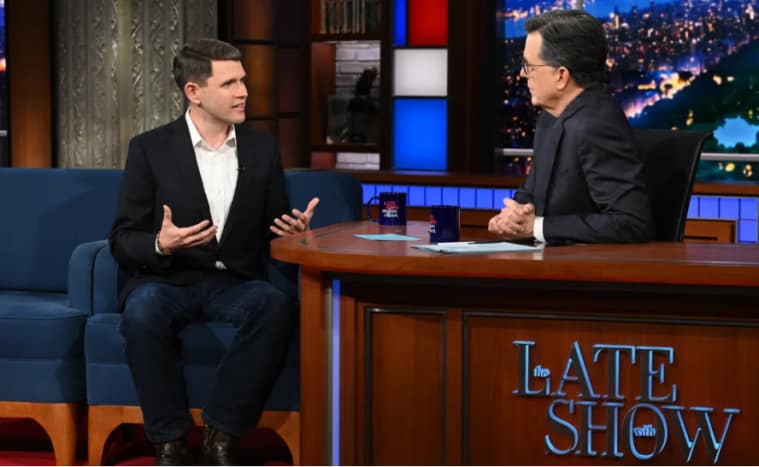
February 18, 2026: CBS is pushing back after reports claimed the network blocked Stephen Colbert from airing an interview with a U.S. Senate hopeful on The Late Show. CBS insists it did not interfere with editorial decisions, directly contradicting accounts that suggested network executives stepped in.
Denials fly.

Image Credit: Getty Images
What CBS is saying
In a public statement, CBS maintained that no interview was “killed” and that programming decisions followed standard editorial processes. The network framed the situation as a misunderstanding, emphasizing its commitment to journalistic independence and creative freedom.
Official line.
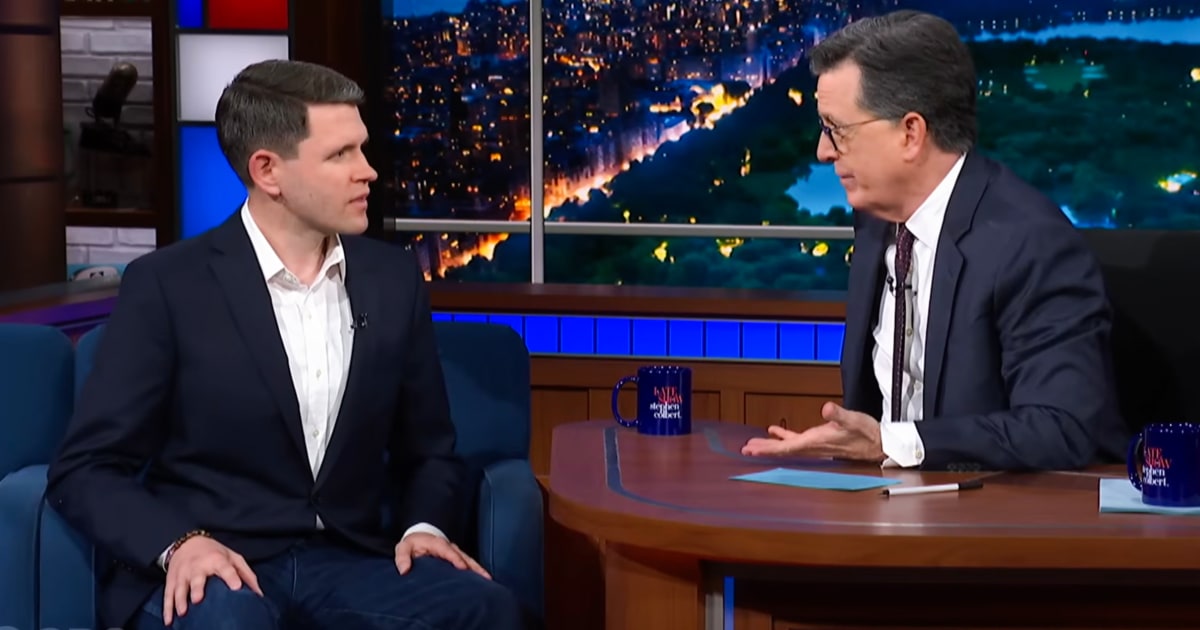
Image Credit: Getty Images
The opposing narrative
Those familiar with the situation tell a different story, claiming the interview was recorded and later scrapped amid internal concern over political optics. Critics argue that such moves—if true—blur the line between corporate caution and editorial interference.
Trust questioned.

Image Credit: ViacomCBS
Why it matters now
With election season intensifying, late-night shows have become influential political platforms. Any perception that networks are shaping or silencing political voices risks eroding public confidence in both media transparency and democratic discourse.
High stakes.

Image Credit: Getty Images
A familiar media dilemma
The controversy taps into a broader debate about who truly controls political messaging on major networks—hosts and producers, or corporate leadership wary of backlash and advertisers.
Power balance.
Final thoughts
CBS says it didn’t pull the plug. Others say otherwise. Until more clarity emerges, the controversy leaves one unavoidable question hanging: when political comedy meets corporate media, who really decides what airs?
FAQs
Q1: What interview is at the center of the controversy?
An unaired Stephen Colbert interview with a U.S. Senate hopeful.
Q2: What does CBS claim?
That it did not block or cancel the interview.
Q3: Why are people skeptical?
Conflicting accounts suggest internal pressure may have played a role.
Q4: Why is this significant?
Late-night shows heavily influence political conversation.
Q5: Has Colbert commented directly?
No detailed on-air explanation has been given.
Published by HOLR Magazine