


Disney latest streaming decision could reshape how millions of viewers access content as the entertainment giant consolidates its platforms.
Is Disney Shutting Down a Streaming Service?
June 13, 2026 : Disney has surprised many subscribers after quietly confirming plans to phase out one of its major streaming platforms as part of a broader restructuring strategy.
The announcement has sparked questions across the entertainment industry, with viewers wondering which service is being discontinued, why Disney is making the change, and what it means for existing subscribers.
While streaming remains a core part of Disney’s business, the company appears focused on simplifying its digital ecosystem and strengthening its flagship platforms. The move reflects a growing trend among media companies that are reevaluating how many separate streaming services they can successfully operate.
For consumers, the phaseout signals another major shift in the increasingly competitive streaming landscape.
Why Is Disney Phasing Out a Streaming Service?
The streaming industry has changed dramatically over the past several years.
When major media companies first entered the streaming race, many launched multiple services targeting different audiences. The strategy helped companies build subscriber bases quickly but also created overlap between platforms.
Disney now appears to be moving toward consolidation rather than expansion.
By bringing content together under fewer services, the company can simplify subscriptions, reduce operational costs, and create a more unified experience for viewers.
Industry analysts have increasingly pointed to consolidation as a likely next step for many streaming providers, particularly as subscriber growth begins to slow across the industry.
Disney’s latest decision reflects that evolving reality.
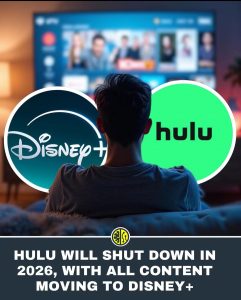
Image credit : Instagram @thynktechmedia
The Changing Economics of Streaming
Streaming once seemed like an endless growth business.
Media companies invested billions of dollars into original programming, international expansion, and technology infrastructure in hopes of attracting subscribers.
However, profitability has become a larger focus in recent years.
Companies now face growing pressure to balance content spending with sustainable business models. As a result, many streaming platforms have introduced advertising tiers, increased subscription prices, and reconsidered their long-term strategies.
Disney’s move fits within this broader industry trend.
Rather than maintaining multiple overlapping services, the company appears to be concentrating resources where it sees the greatest long-term value.
What Happens to Existing Subscribers?
One of the biggest questions surrounding the phaseout involves current subscribers.
Although transition plans vary depending on the specific service and market, companies typically offer migration paths that allow users to access content through another platform within the same corporate ecosystem.
Disney has emphasized customer continuity during previous platform transitions, and many observers expect similar measures this time.
Subscribers will likely receive guidance regarding account transfers, billing changes, content availability, and subscription options as the process moves forward.
For viewers, the most important factor will be understanding where their favorite content will ultimately live.
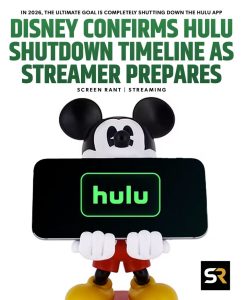
Image credit : Instagram @screenrant
How This Could Impact Disney’s Content Strategy
Content remains the foundation of every streaming platform.
By reducing the number of services it operates, Disney may gain greater flexibility in how it distributes movies, television series, documentaries, sports programming, and original productions.
A consolidated platform can also make content discovery easier for users.
Instead of navigating multiple subscriptions, viewers may find more titles available within a single ecosystem.
From a business perspective, combining audiences may strengthen engagement and help Disney better compete against rivals in an increasingly crowded market.
The company continues to own some of the most valuable entertainment brands in the world, making content placement a critical strategic decision.
Why Streaming Companies Are Consolidating
Disney is not the only company reassessing its streaming strategy.
Across the entertainment industry, media giants have begun looking for ways to streamline operations and improve profitability.
The early years of the streaming boom focused heavily on subscriber acquisition. Today’s environment places greater emphasis on retention, efficiency, and long-term sustainability.
As competition intensifies, companies must determine which services strengthen their business and which create unnecessary complexity.
Consolidation has emerged as one of the industry’s preferred solutions.
For consumers, that trend often means fewer standalone platforms but larger content libraries.
Social Media Reaction
News of the phaseout quickly generated discussion online.
Some users expressed disappointment about losing a familiar service, while others welcomed the possibility of fewer subscriptions and a more streamlined viewing experience.
Many viewers focused on practical concerns, including pricing, account migration, and future content availability.
Industry observers also debated whether consolidation represents the future of streaming or merely a temporary adjustment within a rapidly evolving market.
The conversation highlights how closely consumers follow changes involving major entertainment platforms.
Image credit : CNET
What This Means for the Future of Streaming
The streaming industry continues to evolve.
Several years ago, media companies raced to launch as many services as possible. Today, many are asking whether fewer, stronger platforms might provide a better experience for both businesses and subscribers.
Disney’s decision suggests that consolidation may become increasingly common.
Instead of fragmenting audiences across numerous services, companies may prioritize larger ecosystems designed to keep viewers engaged for longer periods.
If that trend continues, consumers could see additional mergers, partnerships, and platform integrations throughout the industry.
What Remains Speculation
The long-term impact on subscriber numbers remains uncertain.
Future pricing structures have not been fully detailed.
Predictions regarding additional platform changes remain unconfirmed. Industry forecasts about how competitors will respond are speculative.
Until Disney releases additional details, many assumptions about the broader consequences remain educated predictions rather than confirmed facts.
Why This Story Is Trending
The story combines two topics that consistently attract public attention: Disney and streaming.
Millions of households rely on streaming platforms daily, making any major service change highly relevant to consumers.
Disney’s decision also reflects larger shifts happening across the entertainment industry, giving the story significance beyond a single company announcement.
As viewers continue searching for answers about subscriptions, content libraries, and future streaming options, interest in the story remains strong.
Conclusion
Disney’s decision to phase out a major streaming service marks another important chapter in the evolution of digital entertainment.
The move reflects changing business priorities, increasing industry consolidation, and the growing focus on long-term sustainability within streaming.
While questions remain about how the transition will unfold, one thing is clear: the streaming landscape continues to change rapidly, and Disney intends to remain at the center of that transformation.
FAQs
Which Disney streaming service is being phased out?
Disney has announced plans to discontinue one of its streaming platforms as part of a broader consolidation strategy.
Why is Disney shutting down a streaming service?
The company appears focused on streamlining operations, reducing overlap, and strengthening its primary streaming offerings.
Will subscribers lose access to their content?
Disney is expected to provide transition options that help subscribers continue accessing content through other platforms.
Is Disney leaving the streaming business?
No. Streaming remains a major part of Disney’s long-term strategy.
How does this affect Disney+?
The phaseout may strengthen Disney’s focus on its flagship streaming platforms, including Disney+.
Are other streaming companies doing the same thing?
Yes. Many media companies are exploring consolidation and restructuring as the streaming market matures.
Will subscription prices change?
Future pricing details depend on Disney’s transition plans and have not been fully confirmed.
Why is this news trending?
The announcement affects streaming subscribers and reflects larger changes occurring throughout the entertainment industry.
Published by HOLR Magazine