



From crisp and bitter to bright and citrusy, these tonic waters can elevate a simple gin and tonic while bringing more balance, bubbles, and character to cocktails.

What Makes a Great Tonic Water?

August 15, 2026 – Tonic water may seem like a supporting ingredient, but it can completely change the character of a cocktail. A good tonic should complement the spirit rather than overpower it, bringing together sweetness, bitterness, citrus or botanical notes, and plenty of refreshing carbonation.

That balance becomes particularly noticeable in a classic gin and tonic, where tonic can make up a significant portion of the finished drink. Choose one that is excessively sweet and the cocktail can quickly become heavy. Choose one with too little flavor, and the gin can overwhelm it.

For this guide, several widely available tonic waters were considered for their flavor, bitterness, sweetness, carbonation, and overall versatility in cocktails. The goal was to identify bottles that can hold their own behind a bar while still allowing the spirit to shine.
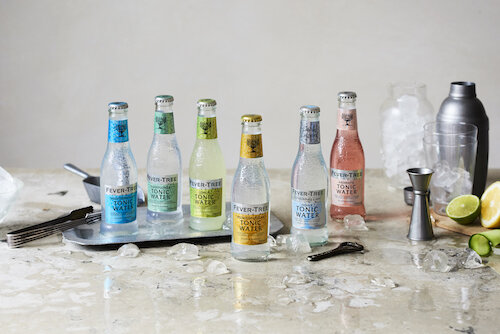
What Makes a Great Tonic Water and Why it Matters | Alcohol Professor

The Ideal Balance Is Sweet, Bitter and Bright

Bitterness is one of tonic water’s defining characteristics, thanks to quinine. But bitterness alone doesn’t make a great mixer.

The best options create a balance between bitter and sweet flavors while adding subtle citrus or herbal notes. Carbonation matters too. Fine, energetic bubbles can make a tonic feel lighter and more refreshing, while weak carbonation can leave the drink tasting flat.

Texture is therefore almost as important as flavor.

A tonic that feels syrupy or excessively sweet can dominate a cocktail, whereas one with lively bubbles and a clean finish tends to work more naturally alongside gin, vodka, tequila, or other spirits.

Q Mixers Premium Tonic Water Brings the Bitterness

For cocktail drinkers who prefer a tonic with a noticeably dry and bitter character, Q Mixers Premium Tonic Water stands out.

Its flavor profile leans toward crisp citrus and pronounced quinine bitterness rather than candy-like sweetness. The result is a tonic with enough personality to remain noticeable in a mixed drink without completely overwhelming the spirit.

Its carbonation also contributes to the experience, giving cocktails a lively texture.

This makes Q Mixers particularly appealing for drinkers who find some conventional tonic waters too sweet. It can be especially effective with spirits that benefit from a sharper, more bitter mixer.

Fever-Tree Is a Reliable All-Rounder

Fever-Tree Premium Tonic Water is arguably one of the easiest recommendations for a home bar because it offers a well-rounded flavor profile.

The tonic combines pronounced citrus notes with a noticeable bitter backbone, while avoiding an overly syrupy finish. Its carbonation gives cocktails a refreshing lift, making it versatile enough for a wide range of drinks.

The citrus character can complement botanical gins particularly well, but it doesn’t have to be restricted to gin and tonic.

For someone who wants to keep one dependable tonic in the refrigerator for entertaining, Fever-Tree is a particularly flexible choice.
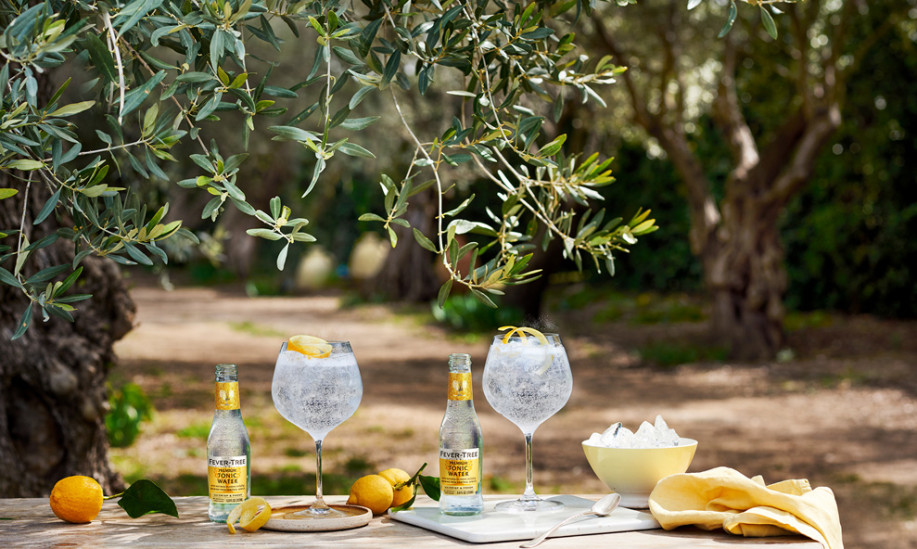
Age Verification | Fever-Tree

Canada Dry Keeps Things Familiar

Sometimes the best choice is a familiar classic.

Canada Dry Tonic Water offers a more straightforward flavor profile, with delicate citrus notes followed by a recognizable bitterness. It doesn’t have the more pronounced character of some premium alternatives, but that can actually make it useful for traditional cocktails.

Its flavor is familiar enough to work comfortably in a classic gin and tonic without demanding attention from the spirit.

For casual entertaining or stocking a home bar where versatility and familiarity matter more than a highly distinctive flavor profile, it remains an easy option.

Fever-Tree Light Offers a Less Sweet Alternative

If you enjoy the character of tonic water but don’t want your cocktail weighed down by too much sweetness, a lighter option can be a smart addition to the home bar.

Fever-Tree Refreshingly Light Tonic Water delivers much of the citrus-and-quinine character associated with the brand’s classic tonic while reducing the sugar and calorie content. That makes it useful when you want the gin or other spirit to remain the star of the drink.

It can work particularly well with contemporary gins that already have strong botanical or citrus profiles. The lighter sweetness allows those flavors to come through rather than being covered by a sugary mixer.

Fentimans Adds a More Botanical Character

For cocktail drinkers who want something with more personality, Fentimans Tonic Water offers a distinctly botanical approach.

Its flavor is more complex than a basic tonic, with herbal and citrus notes contributing to the overall profile. That complexity can make it particularly interesting when paired with a gin that has complementary botanical flavors.

Because the tonic itself has a noticeable character, it is worth considering the spirit you’re using before mixing. A delicate gin may get lost, while a more robust or aromatic gin can stand up beautifully to it.

This is the kind of tonic that can make a familiar gin and tonic feel slightly more considered without requiring a complicated recipe.

Botanical Boost: Wellness Drinks to Keep you Going this Winter – Fentimans

Fever-Tree Mediterranean Tonic Brings Citrus to the Glass

If bitterness isn’t the only quality you’re looking for, Fever-Tree Mediterranean Tonic Water is another appealing choice.

Its softer, citrus-forward character makes it especially suited to cocktails where you want the mixer to add freshness rather than intense bitterness.

It can be paired with lighter gins and is also useful when building drinks with fresh herbs, citrus garnishes, or other Mediterranean-inspired ingredients.

A slice of lemon, grapefruit, or orange can further emphasize those flavors, turning a simple highball into something that feels considerably more polished.

How to Choose the Right Tonic for Your Cocktail

There isn’t necessarily one tonic water that works best with every spirit.

If your gin is strongly botanical, you may want a relatively clean tonic that allows those flavors to remain prominent. If you’re working with a softer gin, a more flavorful tonic can add complexity.

For a classic gin and tonic, start with a traditional tonic featuring a clear balance of bitterness and sweetness.

For lighter cocktails, consider a reduced-sugar option.

And if you’re experimenting with premium spirits, don’t be afraid to try a tonic with more distinctive citrus or botanical notes.

The ratio matters, too. A common starting point is one part gin to two or three parts tonic, although adjusting the amount of mixer can completely change the finished drink.

Don’t Forget the Ice and Garnish

Even the best tonic water won’t rescue a poorly constructed cocktail.

Use plenty of fresh ice so the drink stays cold without becoming unnecessarily diluted. Pour the tonic gently down the side of the glass or over a bar spoon to help preserve its carbonation.

The garnish should complement the flavors rather than simply decorate the glass.

Lemon works beautifully with many classic gin-and-tonic combinations, while grapefruit, orange, cucumber, rosemary, or thyme can bring out specific botanical notes depending on the spirit and mixer.

Tonic Water Cocktails: 9 Refreshing Recipes

A Well-Stocked Home Bar Needs Options

Keeping two or three different tonic waters available can be more useful than buying a large supply of just one.

A classic tonic can handle everyday gin and tonics, a light version can work for lower-sugar drinks, and a more botanical or citrus-forward option can be reserved for premium spirits and cocktail experiments.

That small amount of variety can make a noticeable difference when entertaining.

Rather than treating tonic as an afterthought, think of it as another ingredient that deserves to be matched to the spirit.

Final Thoughts

Tonic water may occupy only a few inches of space in the refrigerator, but it can have a surprisingly large impact on a cocktail.

The best choices balance sweetness, bitterness, citrus, botanical notes, and carbonation without overpowering the spirit. Classic options remain dependable, while lighter and more distinctive varieties give home bartenders room to experiment.

Whether you’re making a traditional gin and tonic or creating something more adventurous, choosing the right tonic can turn a simple two-ingredient drink into a much more enjoyable cocktail.

FAQs

What is the best tonic water for a gin and tonic?

Fever-Tree Premium Tonic Water is a versatile choice, while Q Mixers is appealing if you prefer a drier, more bitter profile.

Is light tonic water worth trying?

Yes. A light tonic can reduce sweetness and calories while allowing the flavors of the gin to become more prominent.

What makes tonic water bitter?

Quinine is responsible for tonic water’s characteristic bitterness.

Should tonic water be chilled before making a cocktail?

Yes. Chilled tonic helps keep the finished drink cold and reduces the need for excessive ice.

How much tonic water should I use with gin?

A good starting point is one part gin to two or three parts tonic, but the ratio can be adjusted according to your preferred strength and sweetness.

What garnish works best with tonic water?

Lemon is a classic choice, but grapefruit, orange, cucumber, rosemary, and thyme can also complement different gin and tonic combinations.

What are the biggest stories trending online today? Read the latest here

Published by HOLR Magazine

Image Credit: Travis Rainey, Valentina Rodriguez