


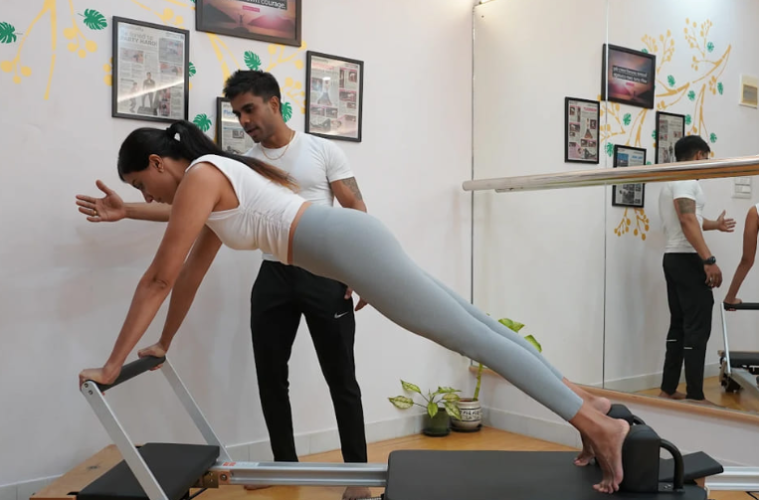
Pilates and yoga offer different benefits for strength, flexibility, and wellness.
Pilates vs Yoga: Key Differences and Benefits Explained
June 15, 2026-If you’ve ever searched for a low-impact workout that improves flexibility, strength, and overall well-being, you’ve probably come across Pilates and yoga. Both practices have millions of followers worldwide and are often recommended for beginners, athletes, older adults, and anyone looking to improve physical and mental health. However, despite some similarities, Pilates and yoga are not the same thing. One focuses heavily on core strength and controlled movement, while the other combines physical poses with breathing techniques and mindfulness. Understanding these differences can help you choose the practice that best aligns with your fitness goals. Whether you’re trying to build strength, improve flexibility, reduce stress, or recover from an injury, knowing how Pilates and yoga work can help you make an informed decision.
How to Do Pilates
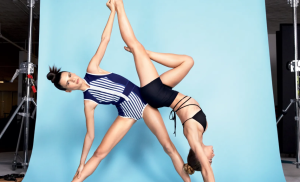
Image Credit; Instagram @y.at.home
Getting started with Pilates is relatively straightforward. Most beginner Pilates workouts begin with foundational exercises that teach proper breathing, core engagement, and body alignment. Common Pilates exercises include: The Hundred, Roll-Up ,Leg Circles ,Single-Leg Stretch ,Plank Variations, Bridges
When practicing Pilates, focus on: Controlled movements, Core activation, Proper breathing ,Good posture ,Precision and technique. Beginners can start with 15 to 30-minute sessions several times per week and gradually increase intensity as strength improves. Many instructors recommend mastering basic movements before progressing to advanced exercises.
How to Do Yoga
Image Credit; Google @Yahoo
Yoga is an ancient practice that originated in India thousands of years ago. Unlike Pilates, yoga combines physical movement with breathing exercises, mindfulness, and meditation. There are numerous styles of yoga, including: Hatha Yoga ,Vinyasa Yoga, Ashtanga Yoga, Power Yoga, Yin Yoga, Restorative Yoga
A typical yoga session may include: Breathing exercises (Pranayama),Physical postures (Asanas),Meditation ,Relaxation techniques
Popular beginner yoga poses include: Downward Dog, Child’s Pose, Warrior I, Warrior II, Mountain Pose, Cat-Cow Stretch. Yoga encourages practitioners to connect movement with breath while cultivating mental focus and relaxation. For many people, yoga becomes both a fitness practice and a tool for stress management.
What’s the Difference Between Yoga and Pilates?
Image Credit; Google @Yahoo
Although Pilates and yoga share some similarities, several important differences set them apart.
Primary Focus
Pilates: Core strength, muscle endurance, posture, and body alignment.
Yoga: Flexibility, mindfulness, balance, stress reduction, and mind-body connection.
Breathing Techniques
Pilates: Uses specific breathing methods designed to support movement and core activation.
Yoga: Places greater emphasis on breath control as part of meditation and overall practice.
Mental Component
Pilates: Primarily fitness-focused.
Yoga: Includes spiritual and meditative elements in many styles.
Movement Style
Pilates: Structured, repetitive exercises with controlled precision.
Yoga: Series of poses held statically or linked through flowing sequences.
Equipment
Pilates: May use reformers, resistance bands, rings, and other equipment.
Yoga: Usually requires only a mat and occasionally blocks or straps.
Flexibility vs Strength
Pilates: Strong emphasis on strength and stability.
Yoga: Strong emphasis on flexibility and mobility, though many styles also build strength.
Benefits of Pilates
Pilates offers numerous physical benefits, including:
Stronger core muscles, Better posture, Improved balance, Increased flexibility, Enhanced athletic performance, Reduced risk of injury, Improved body awareness. Many healthcare professionals also recommend Pilates as part of rehabilitation programs for certain injuries.
Benefits of Yoga
Yoga provides both physical and mental benefits, including:
Increased flexibility, Improved balance, Stress reduction, Better breathing habits, Enhanced mindfulness, Improved mobility, Greater mental clarity, Regular yoga practice has been associated with lower stress levels and improved overall well-being.
Conclusion
When comparing Pilates vs yoga, there is no one-size-fits-all answer. Pilates excels at developing core strength, improving posture, and building muscular endurance, while yoga focuses on flexibility, mindfulness, balance, and stress reduction. The best choice depends on what you hope to achieve. If strength and stability are priorities, Pilates may be ideal. If relaxation and flexibility are your primary goals, yoga could be a better fit. Ultimately, incorporating both practices into your routine can provide a well-rounded approach to physical and mental wellness.
FAQs
What is Pilates?
Pilates is a low-impact exercise method focused on strengthening the core, improving posture, increasing flexibility, and enhancing body control through controlled movements.
How to do Pilates?
Pilates involves performing precise exercises that engage the core while maintaining proper alignment and controlled breathing. Beginners often start with mat-based workouts.
How to do Yoga?
Yoga combines physical poses, breathing exercises, and mindfulness techniques. Beginners can start with simple poses such as Downward Dog, Child’s Pose, and Mountain Pose.
Does Pilates build muscle?
Yes. Pilates helps build lean muscle, improve muscular endurance, and strengthen the core, though it does not typically produce large muscle gains like heavy weight training.
What’s the difference between Yoga and Pilates?
Pilates primarily focuses on strength, posture, and core stability, while yoga combines physical movement with flexibility, breathing techniques, and mindfulness.
Pilates vs Yoga: Which is better?
Neither is universally better. Pilates is often preferred for strength and posture, while yoga is popular for flexibility and stress relief. The best choice depends on your goals.
Is Pilates Good for Weight Loss?
Pilates can support weight loss by increasing muscle endurance, improving overall fitness, and helping you stay active. While it may not burn as many calories as high-intensity workout.
What Is Pilates Good For?
Pilates is particularly effective for strengthening the core, improving posture, increasing flexibility, enhancing balance, and developing better body awareness.
Can You Do Pilates While Pregnant?
Many pregnant individuals can safely practice Pilates, especially prenatal Pilates classes designed for pregnancy. However, it is important to consult a healthcare provider before starting or continuing any exercise program during pregnancy, as modifications may be necessary depending on the stage of pregnancy and individual health needs.
Can Yoga Help You Lose Weight?
Yes, yoga can support weight loss when practiced regularly. More active styles such as Vinyasa, Power Yoga, and Ashtanga Yoga can help burn calories.
Published by HOLR Magazine
Image Credit: y.at.home/ Instagram