

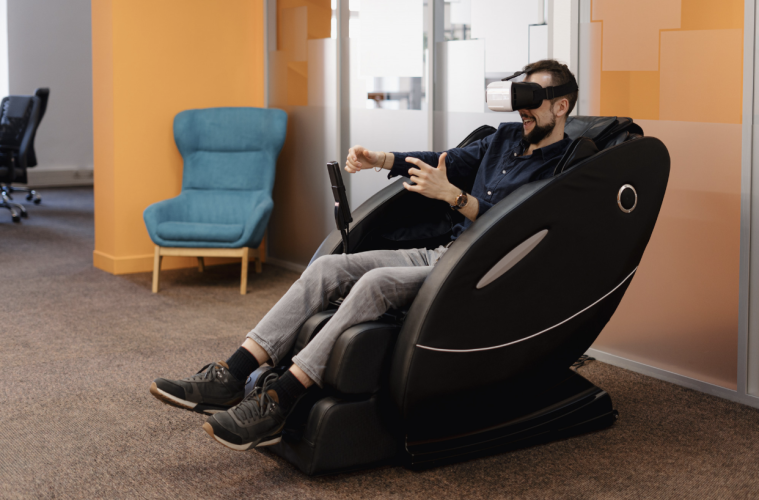
A recliner earns its place on ordinary nights, whether you’re unwinding after work, watching a movie, or getting comfortable on a cold evening. Models that add heat and massage can be appealing, but their specification sheets are often difficult to compare. This guide explains what to check for fit, comfort, and safety. It is general lifestyle guidance, not medical advice.
Start with fit: you first, then your room
Many buying regrets come down to fit rather than features. A chair with several settings can still feel wrong if your head sits above the pillow or your calves extend beyond the footrest.
Measure your body and favorite posture
Sit in the chair you use now and note where your shoulders land and where your knees bend. Taller people may need a longer massage path because coverage varies by model, and some mechanisms stop around the middle of the back.
Consider how you usually sit. If you mainly read upright, a deep recline may not matter. If you plan to nap, look for a full recline or zero-gravity preset. This position typically raises the legs and distributes body weight more evenly across the seat and back.
Check the listed weight capacity as well. It varies by model, even among chairs that look similar. For example, the specifications for the Mcombo 6160-7533 fabric lift recliner list a capacity of about 320 lb. Always confirm the figure for the exact model you are considering.
Measure the space, especially behind the chair
Reclining requires room. Some wall-hugger designs need only 3 to 4 inches of rear clearance, while other massage recliners may require 10 to 20 cm or more. Check both the upright and fully reclined dimensions before ordering.
Chair weight also matters if you rent, move often, or have stairs. Full-body massage chairs can be particularly heavy. The Inada DreamWave, for example, lists a boxed weight of about 115 kg (253 lb). Measure doorways and hallways, and consider how the chair will reach its intended room.
What heat, massage, and zero gravity actually do
Heat zones, in plain English
Heat coverage varies by model. Some chairs warm only the lower back, while others extend heat to the seat, calves, or feet. Lumbar heat may be enough if you want warmth after sitting at a desk. Multiple heat zones can be more useful when your legs and feet also feel cold.
Keep expectations practical. The heating elements warm the person in the chair, not the surrounding room.
Massage, without the hype
Many recliners use vibration motors or inflating air cushions to create a gentle massage effect. More specialized massage chairs use rollers that travel along a fixed track.
These functions are intended for comfort and relaxation rather than treatment. A chair works best as one part of a wider rest and recovery setup that already includes walking, stretching and consistent sleep.
Zero gravity, simply
Zero gravity refers to a reclined position designed to support the body and spread weight more evenly. The precise angle varies among chairs, so focus on whether the position feels comfortable and supports your head, back, and legs rather than relying on the label alone.
Choose coverage before comparing advanced features
S-track, L-track, and SL-track
An S-track follows the curve of the spine toward the lower back. It may suit people who want coverage around the shoulders, middle back, and lumbar area.
An L-track continues under the seat toward the glutes and upper thighs. That added reach may be helpful if you spend much of the day sitting.
An SL-track combines a curved spinal path with extended coverage beneath the seat. Retailers such as Relax For Life explain these track differences on their category pages, which can make it easier to compare coverage instead of counting features.
Understanding 2D, 3D, and 4D labels
These labels generally describe the directions in which the rollers move and, in some cases, variations in speed or rhythm. Definitions are not always consistent between manufacturers. Choose the track coverage first because advanced roller controls will not help if the mechanism does not reach the intended area.
Upholstery and upkeep
PU or faux leather is easy to wipe clean and can suit homes with children or frequent snacks. Fabric is breathable and may hide minor marks. Real leather can feel softer but usually costs more and requires specific care. Keep any upholstery away from harsh, all-day sunlight and follow the manufacturer’s cleaning instructions.
- Clean spills promptly with a soft cloth and an approved cleaner.
- Avoid abrasive pads and strong solvents.
- Dry the surface instead of leaving the upholstery damp.
Power, safety, and compliance
Look for an automatic shut-off timer
An automatic timer limits how long the heat or massage runs without further input. La-Z-Boy heat and massage systems, for example, typically shut these functions off after about 15 to 30 minutes, according to the La-Z-Touch massage system operating instructions. Confirm the timing and controls for the model you are considering.
Check compliance marks
In the United States and Canada, look for applicable UL, ETL, or CSA certification on the chair, power supply, or product documentation. UL 962 covers household and commercial furnishings, including certain motor-operated chairs and massage furniture. In Australia, the Regulatory Compliance Mark (RCM) indicates that the supplier declares the product meets relevant requirements within the applicable regulatory framework.
Certification is model-specific and should not be assumed from a product photo. Whether you are shopping with Relax For Life or visiting a local showroom, ask the seller to confirm the exact model’s electrical compliance, power requirements, warranty, and automatic shut-off features.
When to ask a clinician
If you are pregnant, recovering from an injury, or living with an implanted medical device such as a pacemaker or ICD, ask your clinician before using heat or massage functions. Follow the medical device manufacturer’s instructions, especially any guidance about magnets, electrical equipment, or minimum operating distances.
Build a three-chair shortlist
Compare fit, coverage, and comfort
Choose three candidates and assess them in that order. Fit includes your height, weight capacity needs, and available room clearance. Coverage refers to whether the track reaches the areas where you want massage. Comfort includes useful extras such as multiple heat zones, adjustable intensity, and zero-gravity presets.
Compare specifications, then test the chair if possible
After narrowing down the right size and features, browsing a massage heated recliner chair collection from Relax For Life provides a practical way to compare heat-zone layouts, S-track, L-track, and SL-track coverage, zero-gravity presets, and clearance requirements. Use the specifications as a comparison resource rather than assuming one model will suit every person.
If a showroom is nearby, sit in the chair for at least five minutes with the footrest raised. Check your head, shoulders, knees, and calves in both upright and reclined positions. When buying online, choose a retailer that publishes complete dimensions, weight capacity, rear-clearance requirements, electrical details, warranty terms, and support information.
Follow a simple order
Prioritize fit, coverage, comfort, and safety. Measure your body and the space behind the chair, then choose a track that reaches the areas you want to address. Add only the heat zones and presets you expect to use. Finally, confirm the certification details, automatic timer, warranty, and delivery requirements before making a decision.
Published by HOLR Magazine.