


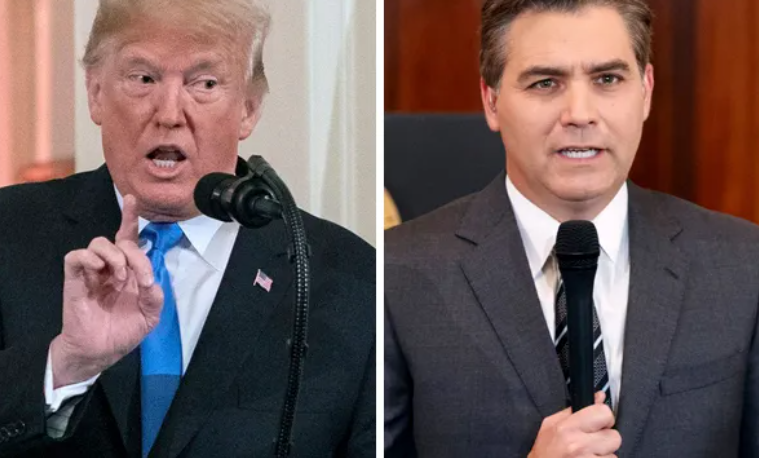
A heated call sparks debate over press freedom and protest
Jim Acosta’s Controversial Statement
April 27, 2026 – Jim Acosta has ignited a fresh wave of debate after urging fellow journalists to stage a dramatic protest at the upcoming White House Correspondents’ Dinner. The longtime reporter suggested that members of the press should “walk out” if Donald Trump uses the event to criticize or attack the media.
Acosta’s remarks, delivered during a recent public appearance, reflect growing tensions between journalists and political figures over the role of the press in modern democracy. His blunt phrasing quickly captured attention, sparking conversations across newsrooms and social platforms about whether such a move would be appropriate—or effective.

Image Credit: The Jim Acosta Show
The Significance of the White House Correspondents’ Dinner
The White House Correspondents’ Dinner has long been a symbolic gathering where journalists, politicians, and public figures come together in a mix of humor and reflection. Traditionally, the event celebrates the importance of a free press while offering a rare moment of levity in political discourse.
However, in recent years, the dinner has become increasingly politicized. What was once a largely ceremonial occasion has evolved into a stage where tensions between the media and political leadership can play out in real time. Acosta’s comments highlight how the event’s tone has shifted, raising questions about its purpose in today’s climate.
A History of Tension Between Trump and the Press
The relationship between Donald Trump and the media has been notably contentious. During his political career, Trump has frequently criticized journalists and major news organizations, often accusing them of bias and unfair coverage.
This strained dynamic has led to heated exchanges, both in press briefings and on public platforms. Acosta himself has been a central figure in some of these confrontations, making his recent call for a walkout particularly significant. It reflects not only personal experience but also a broader sentiment shared by many in the industry.
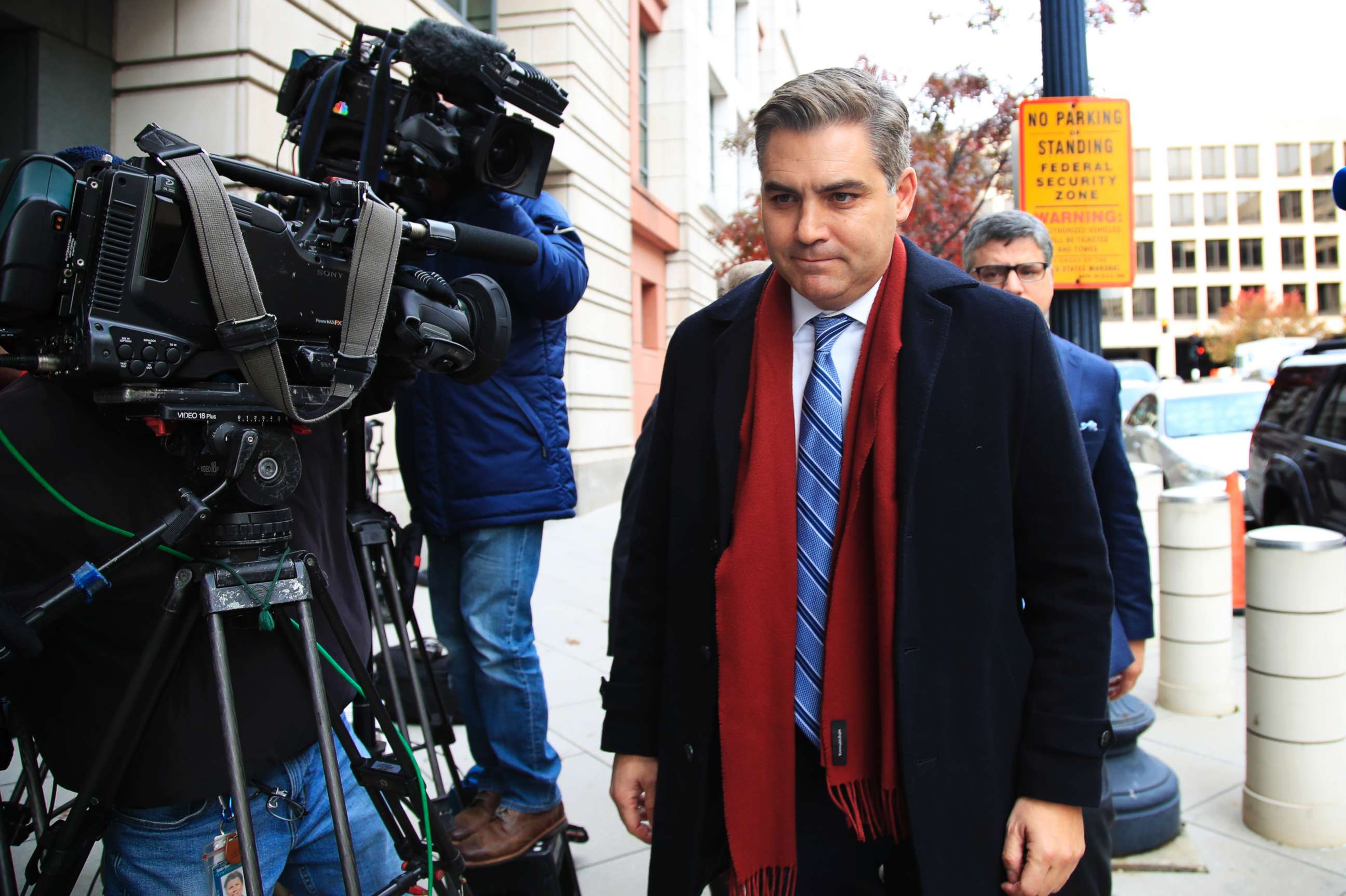
Image Credit: CNN
Protest as a Form of Journalism
Acosta’s suggestion raises an important question: should journalists engage in visible acts of protest? Traditionally, journalism emphasizes objectivity and distance from the subjects it covers. However, moments of perceived threat to press freedom have historically prompted more assertive responses.
A coordinated walkout would represent a powerful visual statement, signaling collective disapproval of rhetoric seen as undermining the media’s role. At the same time, critics argue that such actions could blur the line between reporting and activism, potentially affecting public trust.
Divided Reactions Within the Media
Reactions to Acosta’s comments have been mixed. Some journalists and commentators have expressed support, viewing the proposed walkout as a necessary stand against attacks on press freedom. They argue that silence or passive participation could be interpreted as acceptance of hostile rhetoric.
Others, however, have urged caution. They contend that the White House Correspondents’ Dinner is not the appropriate venue for protest and that walking out could detract from the event’s original purpose. This divide underscores the complexity of navigating professional responsibilities in a polarized environment.

Image Credit: Oliver Contreras / Sipa / AP
The Broader Conversation About Press Freedom
At its core, the controversy reflects a larger conversation about the role of the press in a democratic society. Journalists are tasked with holding power accountable, but they must also maintain credibility and public trust.
Acosta’s remarks bring attention to the challenges of balancing these responsibilities. In an era where media institutions are frequently scrutinized, decisions about how to respond to criticism carry significant weight. The debate surrounding his statement illustrates the ongoing evolution of journalism in a rapidly changing political landscape.
Political and Public Implications
If a walkout were to occur, it would likely generate significant media coverage and public discussion. Such a moment could amplify concerns about the relationship between the press and political leadership, potentially influencing public perception on both sides.
For Donald Trump, the reaction of journalists could either reinforce his criticisms or highlight the seriousness of the issue, depending on how it is interpreted. For the media, the decision to act—or not—could shape how audiences view their role and independence.

Image Credit: CNN
Final Thoughts
Jim Acosta’s call for journalists to walk out of the White House Correspondents’ Dinner has sparked a timely and complex debate. It touches on fundamental questions about press freedom, professional ethics, and the appropriate ways to respond to criticism from those in power.
As the event approaches, all eyes will be on how journalists choose to navigate this moment. Whether or not a walkout occurs, the conversation it has generated underscores the enduring importance of a free and independent press in shaping public discourse.
FAQs
Q1: What did Jim Acosta say about the dinner?
He suggested that journalists should walk out of the event if Donald Trump uses it to attack the press.
Q2: What is the White House Correspondents’ Dinner?
It is an annual event that brings together journalists, politicians, and public figures to celebrate the role of the press.
Q3: Why is this statement controversial?
It raises questions about whether journalists should engage in protest and how that might affect their objectivity.
Q4: How have people reacted?
Reactions are divided, with some supporting the idea as a stand for press freedom and others cautioning against it.
Q5: What could happen if journalists walk out?
It could create a powerful statement but also spark further debate about the role of the media in political events.
Published by HOLR Magazine