


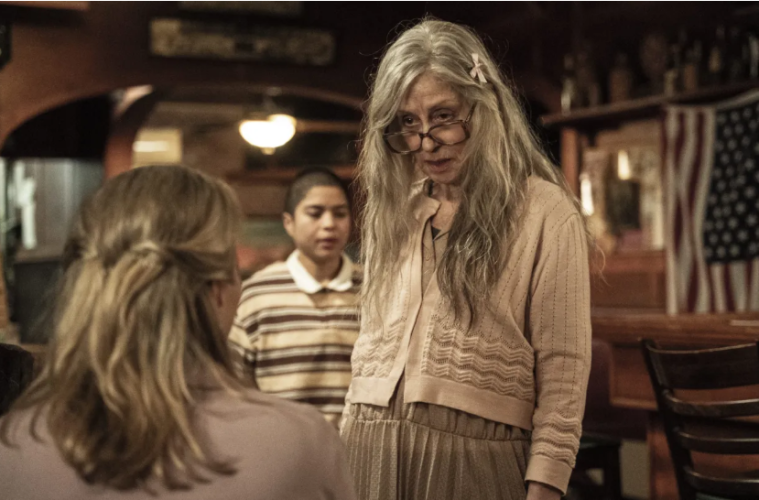
Judith Light believes horror storytelling can become a powerful tool for social commentary as anticipation builds around The Terror: Devil in Silver.
Judith Light Opens Up About The Terror: Devil in Silver
May 19, 2026 – Judith Light is sharing why she believes AMC’s upcoming horror series The Terror: Devil in Silver could become far more than just another frightening television experience.
During a recent interview, the acclaimed actress explained she hopes the series uses horror not simply for scares, but as a way to tell a deeper and socially meaningful story. Light suggested the show explores issues connected to mental health, institutional systems, fear, and human vulnerability through unsettling psychological storytelling.
Her comments immediately sparked interest online because fans of The Terror franchise already expect emotionally layered horror rather than straightforward monster-driven entertainment.
The new series appears ready to continue that tradition.

Credit: Emily V. Aragones/AMC
The Terror Franchise Built a Reputation for Intelligent Horror
Since debuting in 2018, The Terror anthology series earned strong critical praise for blending historical storytelling, psychological dread, and emotionally devastating themes with horror elements.
Unlike many mainstream horror shows focused primarily on jump scares or gore, The Terror became known for treating fear as a reflection of deeper human anxieties involving survival, trauma, power, isolation, and societal collapse.
Fans online therefore reacted positively to Light’s suggestion that Devil in Silver will continue using horror as a vehicle for serious thematic storytelling rather than empty shock value.
Several viewers argued that intelligent horror remains one of television’s most underrated storytelling formats overall.
Devil in Silver Explores Institutional Fear
The upcoming season is based on Victor LaValle’s acclaimed novel The Devil in Silver, which centers around a man placed inside a psychiatric institution under disturbing and mysterious circumstances.
The story reportedly blends psychological horror, social critique, paranoia, and dark satire while exploring how institutions can dehumanize vulnerable individuals.
Judith Light’s comments suggest the adaptation will strongly emphasize those emotional and social themes alongside the supernatural or horror-driven elements audiences expect from The Terror franchise.
That balance immediately increased curiosity surrounding the series online.
Judith Light Continues Choosing Challenging Roles
Over the last several years, Judith Light built a reputation for taking emotionally complex and socially conscious roles across television, film, and theater.
Whether appearing in Transparent, Poker Face, American Crime Story, or stage productions, Light consistently gravitates toward projects examining power structures, identity, morality, and emotional vulnerability.
Fans online noted her involvement alone makes The Terror: Devil in Silver feel significantly more compelling because of the seriousness she tends to bring to psychologically demanding material.
Several viewers described her comments as proof the series likely aims for emotional depth beyond traditional genre television.
Horror Continues Evolving as Prestige Television
Part of the excitement surrounding Devil in Silver comes from how dramatically horror television evolved in recent years.
Series like The Haunting of Hill House, Yellowjackets, From, and earlier seasons of The Terror helped push horror into more prestige-oriented territory where fear becomes intertwined with grief, trauma, politics, mental health, and social commentary.
Audiences increasingly respond strongly to horror stories grounded in emotional realism and cultural anxieties rather than simple shock tactics.
Judith Light’s remarks strongly suggest Devil in Silver intends to follow that modern prestige horror direction closely.
![AwardsWatch - How Judith Light Psychs Us Out in 'The Terror: Devil in Silver' and the Secret to Her Long-lasting Career [VIDEO INTERVIEW]](https://i0.wp.com/awardswatch.com/wp-content/uploads/2026/05/DiS_100_EA_0903_0319-RT-scaled.jpg?fit=1200%2C800&ssl=1)
Credit: AMC
Fans Are Curious About the Series’ Tone
Following Light’s interview, social media quickly filled with speculation about the tone and atmosphere of the new season.
Some fans expect a deeply psychological and emotionally disturbing slow-burn thriller, while others predict supernatural horror mixed with institutional paranoia and dark humor similar to the original novel.
The Terror anthology format gives each season creative freedom to reinvent itself completely, which keeps audience expectations especially unpredictable heading into new installments.
That unpredictability appears to be one of the franchise’s biggest strengths.
Mental Health Themes Could Become Central
One major reason Light’s comments gained attention is because modern audiences increasingly value thoughtful portrayals of mental health within genre storytelling.
If handled carefully, Devil in Silver could potentially use horror to explore how society treats fear, illness, trauma, and institutional control without reducing those topics to simplistic stereotypes.
Fans online expressed cautious optimism that the series may offer emotionally nuanced commentary while still delivering the unsettling atmosphere horror audiences expect.
Several viewers also praised AMC for continuing to support ambitious genre storytelling projects.
:max_bytes(150000):strip_icc():focal(730x364:732x366):format(webp)/Creative-Emmy-winners-010724-04-56900a09915b4b4f86accbfc9e946004.jpg)
Credit : Phil McCarten/Invision for the Television Academy/AP Images
Prestige Horror Keeps Growing in Popularity
The strong reaction surrounding Devil in Silver reflects the continued growth of prestige horror as one of television’s most creatively respected genres.
What once existed mainly as niche entertainment increasingly attracts acclaimed actors, serious directors, awards recognition, and emotionally complex writing.
Judith Light’s involvement further reinforces the idea that sophisticated horror projects are now viewed as major dramatic opportunities rather than secondary genre work.
Final Thoughts
Judith Light’s belief that The Terror: Devil in Silver can use horror to tell an important story perfectly reflects how modern prestige horror continues evolving beyond traditional scares. By blending psychological fear with social commentary and institutional themes, the upcoming series appears positioned to deliver both emotional depth and unsettling atmosphere. As anticipation continues growing, fans clearly hope Devil in Silver becomes another intelligent and disturbing chapter within The Terror anthology’s increasingly respected legacy.
FAQs
Q1. What did Judith Light say about The Terror: Devil in Silver?
She said she hopes the series uses horror to tell a meaningful and important story.
Q2. What is Devil in Silver based on?
The series adapts Victor LaValle’s novel The Devil in Silver.
Q3. What themes does the story explore?
The story reportedly examines mental health, institutions, paranoia, and fear.
Q4. Why is The Terror franchise respected?
Fans praise it for combining intelligent storytelling with psychological horror.
Q5. Why are viewers excited about Judith Light’s involvement?
She is known for emotionally complex performances and socially conscious projects.
Published by HOLR Magazine