


Late-night satire takes aim at a controversial political moment
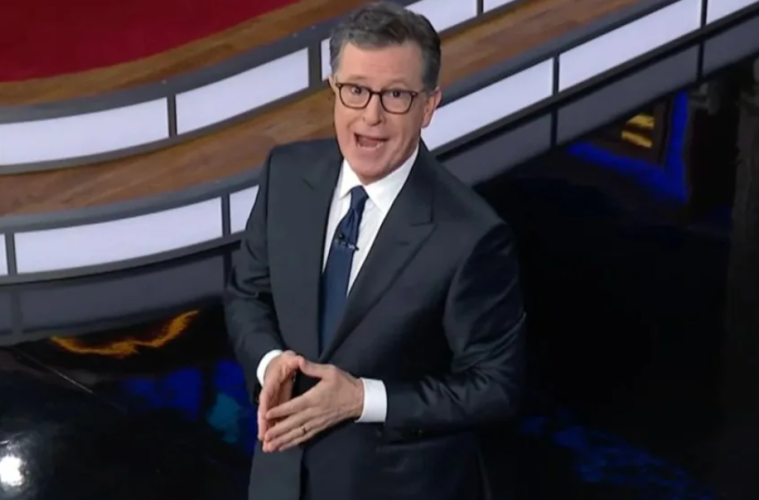
Stephen Colbert responds to Pete Hegseth controversy
April 17, 2026 – Stephen Colbert is once again turning headlines into satire, this time mocking Pete Hegseth after he appeared to quote a fictional Bible verse from Pulp Fiction during a Pentagon prayer service.
The moment quickly went viral, and Colbert used his platform on The Late Show to ridicule the situation—responding with his own exaggerated, fake “Bible-style” quote to highlight the absurdity of the incident.

Image Credit: Getty Images
The controversial ‘Pulp Fiction’ prayer
The controversy began when Hegseth delivered a prayer that closely resembled the famous monologue recited by Samuel L. Jackson’s character in Pulp Fiction. While the speech is often mistaken for a real Bible verse, much of it is fictional and was written for the film.
During the Pentagon event, Hegseth referenced what he framed as a version of Ezekiel 25:17, but his wording mirrored the cinematic monologue rather than the actual biblical text.
The mix-up sparked widespread criticism and debate, with observers questioning whether the reference was intentional, symbolic, or simply misleading.
Colbert’s satirical response
On The Late Show, Stephen Colbert seized on the moment with sharp humor. He mocked the use of a movie quote in a formal religious context by delivering his own fabricated “scripture,” exaggerating the blending of pop culture and religion.
Colbert’s segment leaned into his signature style—using irony and parody to underscore what he framed as a bizarre and tone-deaf moment. His fake quote served as a comedic mirror, emphasizing how easily cinematic dialogue can be mistaken for something more authoritative.
The joke resonated with audiences familiar with both the film and the controversy, turning a political misstep into late-night comedy material.
Why the moment sparked backlash
The reaction to Hegseth’s prayer stems from the blurred line between fiction and religious text. The Pulp Fiction monologue, though styled like scripture, is largely invented and dramatized for cinematic effect.
Using it in a real-world setting—particularly a formal government or military context—raised concerns about accuracy and appropriateness. Critics argued that attributing fictional lines to religious scripture could be misleading, especially in serious or ceremonial situations.
At the same time, supporters suggested the reference may have been symbolic or intended to capture the spirit of the message rather than quote the Bible directly.
The power of pop culture crossover
One reason the moment gained so much attention is the enduring cultural impact of Pulp Fiction. The film’s dialogue, particularly the Ezekiel 25:17 speech, has become deeply embedded in pop culture.
Its widespread recognition means that even subtle references can be quickly identified—and scrutinized—by audiences. In this case, that familiarity contributed to the rapid spread of the story and the strong reactions it generated.
Colbert’s response further amplified this crossover, turning a political moment into a pop culture commentary.

Image Credit: EVA MARIE UZCATEGUI / AFP via Getty Images
Late-night television as cultural commentary
Segments like this highlight the role of late-night television in shaping public discourse. Hosts like Stephen Colbert often act as cultural commentators, interpreting current events through humor and satire.
By addressing the controversy, Colbert not only entertained his audience but also contributed to the broader conversation surrounding the incident. His approach reflects a long-standing tradition of using comedy to critique political and social issues.
Audience reaction and viral momentum
The segment quickly gained traction online, with clips and quotes circulating across social media platforms. Viewers responded to both the humor and the underlying commentary, with many praising Colbert’s ability to highlight the absurdity of the situation.
At the same time, the incident itself continued to generate discussion, with debates focusing on intent, interpretation, and the role of pop culture in formal settings.
The combination of controversy and comedy ensured that the story remained in the spotlight.
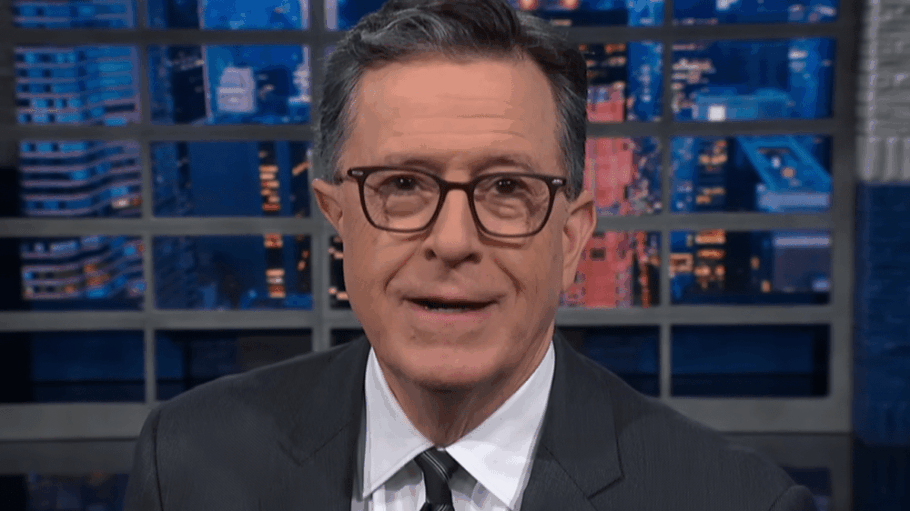
Image Credit: Late Show/YouTube
Final Thoughts
Stephen Colbert’s mockery of Pete Hegseth’s Pulp Fiction-inspired prayer underscores how quickly modern political moments can become cultural flashpoints. By blending satire with commentary, Colbert transformed a controversial incident into a widely discussed comedic segment.
The episode also highlights the powerful intersection of pop culture, politics, and media. In an era where references can be instantly recognized and shared, even a single line of dialogue can spark widespread debate.
As the conversation continues, the moment serves as a reminder of the importance of context—and how easily the lines between fiction and reality can blur in the public sphere.
FAQs
Q1: Why did Stephen Colbert mock Pete Hegseth?
He was responding to Hegseth using a quote from Pulp Fiction as if it were a Bible verse.
Q2: What was controversial about Hegseth’s prayer?
It closely resembled a fictional monologue from Pulp Fiction rather than an actual Bible passage.
Q3: What did Colbert do in response?
He created his own fake Bible-style quote to satirize the situation.
Q4: Why is the Pulp Fiction quote famous?
It’s a widely recognized monologue delivered by Samuel L. Jackson’s character in the film.
Q5: What does this incident highlight?
It shows how pop culture references can blur with real-world contexts and spark debate.
Published by HOLR Magazine