


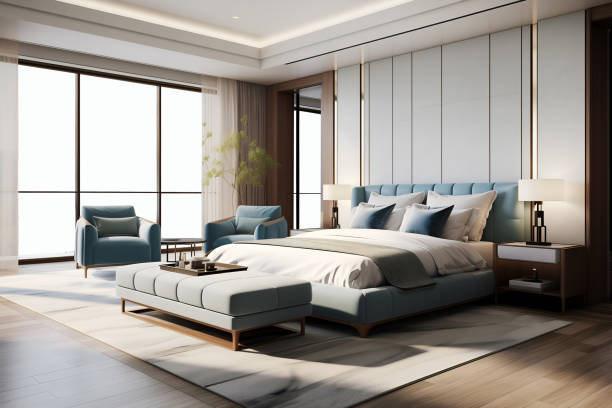
Bedrooms in stylish homes feel less like formal showpieces and more like personal retreats. Bedding plays a central role in that shift. Sheets, duvets, and pillows no longer serve as simple basics. They set mood, signal quality, and support sleep in very deliberate ways.
Current bedding trends blend comfort, sustainability, and relaxed elegance. The focus sits on materials that feel good against the skin, colors that calm the mind, and details that make everyday routines smoother. Small choices in fabric, layering, and styling change how a room looks and how it feels at the end of a long day.

Soft Neutrals, Color Blocking, And Layered Texture
Modern bedrooms lean toward soft, soothing palettes. Warm whites, stone, sand, clay, and muted greens create a quiet backdrop that suits many styles. These tones help the eye rest and let natural light feel gentle rather than harsh. Bolder hues still appear, yet they usually sit on accent pillows, throws, or a single statement quilt.
Layering sits at the center of this look. A simple base sheet set, a lightweight coverlet, and a loftier duvet create depth without clutter. Different textures play off each other: crisp percale next to washed linen, a knitted throw on top of a smooth quilt, velvet or bouclé cushions against a plain headboard. That mix adds interest even when colors stay restrained.
Patterns have shifted toward subtlety. Pinstripes, small checks, and tone-on-tone jacquards replace busy florals in many homes. These patterns read as texture from a distance and keep the bed from feeling flat, while still supporting a calm, cohesive space.
Sustainable Fabrics And Conscious Comfort
Eco-aware choices now shape many bedding purchases. Homeowners pay more attention to fiber origin, chemical use, and life span. Natural and regenerated fibers such as organic cotton, linen, hemp, and bamboo gain attention because they balance comfort with lower-impact manufacturing options.
Textiles that regulate temperature stand out in this group. Breathable weaves help hot sleepers feel drier through the night, and slightly heavier natural fibers keep warmth steady without a heavy, stifling feel. Buyers who want a mix of luxury and responsibility often start with one key upgrade, such as this bamboo duvet cover range or another that uses similar fibers, then align other pieces with that choice. Transparency matters as well.
Labels that list fiber content clearly, mention responsible sourcing programs, or avoid harsh finishes attract shoppers who view bedding as a long-term investment rather than a disposable item. In many stylish homes, that approach extends to inserts too, with feather alternatives and recycled fills replacing older options.
Relaxed Styling Inspired By Boutique Hotels
The line between home and boutique hotel styling continues to blur. People want bedrooms that feel calm and polished but still personal. The current trend favors beds that look inviting rather than rigid, with a slight lived-in ease.
Crisp hospital corners give way to softer tucks. Duvets drape a little lower, and top sheets sometimes disappear completely, replaced by a fitted sheet and a duvet or quilt that feels easy to straighten each morning. Pillows stack in a simple arrangement: two to four sleeping pillows, then one or two cushions that introduce color or pattern. The bed reads as cared for, yet not staged.
Headboards and bed frames support this mood. Upholstered designs in linen-like fabrics or textured weaves add softness behind the pillows. Low platforms and simple legs keep silhouettes light. Even in smaller rooms, this combination helps the bed feel integrated instead of dominating the space.
Tech-Conscious Comfort And Personalized Sleep Zones
Modern bedding trends also respond to evolving sleep tech and lifestyle shifts. Many couples now treat each side of the bed as a small zone with specific needs. One person might run warm and choose a lighter duvet insert, while the other prefers a denser fill. Split-weight duvets, separate top layers, and adjustable pillows make that level of personalization easier.
Mattress toppers and protectors have grown more sophisticated. Products that balance support with cooling gels or advanced foams sit beneath favorite sheets and extend mattress life. At the same time, noise and texture still matter. People look for protectors that guard against spills and allergens without a crinkly or plastic feel.
Charging habits influence bedside choices. Cable-friendly nightstands, sconce lighting with dimmers, and small shelves near the head of the bed all appear more often. Even with phones close at hand, many stylish bedrooms still include an analog alarm clock or a small plant to keep the space from feeling like an office. Bedding choices then echo this mix of tech and nature, with natural fibers on the bed and discreet devices nearby.

Modern bedding trends revolve around comfort, intention, and authenticity. Soft neutrals, layered textures, and relaxed styling create rooms that invite rest instead of performance. Sustainable fabrics and thoughtful construction signal care for both the body and the wider world.
As homes evolve, bedrooms in stylish spaces reflect personal priorities more clearly. Some lean into eco-conscious materials, others into hotel-inspired simplicity, and many combine both. The common thread lies in choices that support real sleep, real routines, and a quiet sense of ease every time the covers pull up and the lights switch off.
Published by HOLR Magazine.