


Why We Feel So Connected to Celebrities We’ve Never Met: The Psychology Behind Modern Fandom
July 21,2026: There was a time when seeing your favorite celebrity meant buying a movie ticket, watching an interview on television, or reading about them in a magazine. Fans admired actors and musicians from a distance, and the relationship rarely extended beyond the screen.
Today, that experience looks completely different.
With a few taps on a smartphone, people can watch celebrities cook breakfast, celebrate birthdays, share behind-the-scenes moments, or post photos from family vacations. Social media has blurred the line between public and private life, making fans feel closer to celebrities than ever before.
It’s no surprise that many people describe a favorite actor, singer, or influencer as someone who “feels like family” or “feels like a friend.”
But how can we feel emotionally connected to someone we’ve never actually met?
The answer lies in psychology.
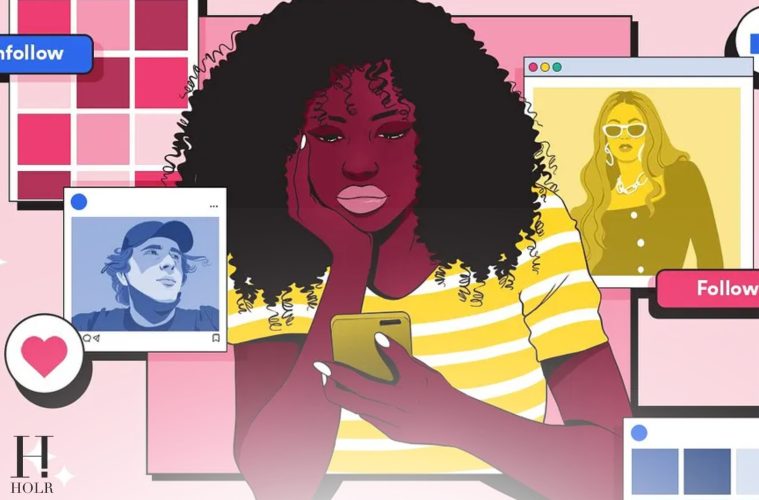
Researchers have spent decades studying what are known as parasocial relationships—one-sided emotional connections that people develop with public figures. While the term may sound unfamiliar, the experience is incredibly common. Whether someone eagerly watches every Zendaya interview, celebrates Taylor Swift’s achievements, follows Ryan Reynolds’ humorous posts, or feels inspired by Keanu Reeves’ kindness, these emotional connections have become a natural part of modern culture.
HOLR explores why our brains create these relationships, how social media has transformed celebrity culture, and why feeling connected to famous people isn’t always as unusual as it seems.

Image Credit: mindpeers.co
The Human Brain Is Wired to Build Connections
Humans are naturally social creatures.
From the earliest days of civilization, survival depended on forming relationships with other people. Our brains became remarkably skilled at recognizing faces, reading emotions, and creating social bonds.
That instinct doesn’t suddenly switch off simply because someone appears on a screen instead of standing in front of us.
Psychologists first introduced the concept of parasocial relationships in the 1950s after noticing that television viewers often felt personally connected to news anchors, actors, and talk show hosts. Even though the interaction only moved in one direction, audiences still experienced feelings of familiarity, trust, and emotional closeness.
Fast forward to today, and those connections have become even stronger.
Instead of seeing a celebrity once a week on television, fans can follow almost every aspect of their daily lives through Instagram Stories, TikTok videos, YouTube vlogs, podcasts, and livestreams.
Our brains interpret these repeated interactions in surprisingly familiar ways.
When we regularly hear someone’s voice, recognize their facial expressions, learn about their hobbies, or watch them experience moments of joy and disappointment, they begin to feel familiar—even if they’ve never heard our names.
That familiarity can create a genuine sense of emotional connection.
Social Media Didn’t Create Celebrity Culture—It Changed It
Celebrity fandom has existed for generations.
People once collected magazine covers featuring Marilyn Monroe, Elvis Presley, or Audrey Hepburn. Fans waited outside theatres hoping for an autograph or wrote handwritten letters that might never receive a response.
The admiration was real.
The access was limited.
Social media completely transformed that relationship.
Today, celebrities communicate directly with millions of followers without relying on television interviews or newspaper journalists.
Zendaya might post behind-the-scenes photos from a film set.
Ryan Reynolds jokes with followers on Instagram.
Pedro Pascal shares candid moments from press tours.
Taylor Swift leaves clues for fans through carefully chosen captions and visuals.
These moments feel spontaneous and personal.
Although celebrities still choose what they share, audiences often experience these updates as glimpses into everyday life rather than carefully planned publicity.
That constant visibility creates what psychologists call the “illusion of intimacy.”
We begin to feel as though we know someone because we regularly see them laughing with friends, talking about difficult experiences, celebrating career milestones, or sharing ordinary moments.
In reality, we’re seeing only a carefully selected portion of their lives.
Yet emotionally, the experience feels authentic.
Why Some Celebrities Feel More Relatable Than Others
Have you ever wondered why millions of people feel especially drawn to celebrities like Keanu Reeves, Tom Holland, Selena Gomez, or Jennifer Lawrence?
It isn’t simply because they’re talented.
Many of today’s most admired celebrities have built reputations for appearing approachable.
They talk openly about anxiety, grief, failure, family, or self-doubt.
They laugh at themselves during interviews.
They admit mistakes instead of pretending to be perfect.
Psychologists say vulnerability builds trust.
When public figures share experiences that feel familiar—whether it’s struggling with confidence, dealing with heartbreak, or overcoming personal challenges—fans often see reflections of their own lives.
Instead of viewing celebrities as distant icons, people begin seeing them as human beings navigating many of the same emotions everyone else experiences.
That relatability strengthens emotional connections.
It’s also one reason authenticity has become one of the most valuable qualities in modern celebrity culture.
Audiences increasingly appreciate stars who appear genuine rather than perfectly polished.

Image Credit: psychologytoday.com
When Movies Become Personal Memories
Our emotional connection to celebrities isn’t always created through interviews or social media.
Sometimes, it begins with stories.
Think about the first movie that made you cry.
The television series you watched every weekend with your family.
The actor whose performance helped you through a difficult period in your life.
Entertainment often becomes closely linked to personal memories.
A song can remind someone of childhood.
A film can bring back memories of a first date.
A television character might represent comfort during a challenging time.
Over the years, those emotions naturally extend to the people who helped create those experiences.
That’s one reason the loss of a beloved celebrity can feel surprisingly personal, even for people who never met them.
They’re not grieving a stranger.
They’re grieving someone connected to meaningful moments in their own lives.
Why Fandom Has Become a Community
Perhaps the biggest difference between celebrity culture today and twenty years ago isn’t the celebrities themselves.
It’s the fans.
Social media has transformed fandom from an individual experience into a global community.
Whether it’s Swifties celebrating Taylor Swift, Marvel fans discussing Tom Holland’s Spider-Man, or movie lovers following Zendaya’s latest projects, millions of people now connect through shared admiration.
These online communities create friendships, organize charitable initiatives, exchange creative ideas, and celebrate milestones together.
For many people, following a celebrity becomes about far more than entertainment.
It becomes a sense of belonging.
And sometimes, that’s exactly what people are searching for.
When Admiration Becomes Unhealthy
While feeling connected to celebrities is completely normal, psychologists say it’s important to recognize when admiration begins to cross into obsession.
For most people, following a favourite actor or musician is a healthy form of entertainment. They enjoy interviews, watch new projects, celebrate career milestones, and perhaps discuss the latest news with friends online.
Problems arise when those one-sided relationships begin replacing real-life relationships or significantly affect a person’s emotional well-being.
For example, someone might experience intense anxiety whenever their favourite celebrity faces criticism, spend excessive amounts of money trying to imitate their lifestyle, or feel emotionally devastated by events in a celebrity’s personal life.
Mental health professionals often explain that these reactions don’t happen because people are “strange” or “too invested.” Instead, they usually reflect deeper emotional needs such as loneliness, stress, uncertainty, or the desire to feel connected to something larger than themselves.
The celebrity isn’t necessarily the problem.
The relationship simply becomes a place where those emotions are directed.
That’s why experts encourage balance.
It’s perfectly healthy to admire public figures, but it’s equally important to maintain meaningful relationships, hobbies, and experiences in everyday life.

Image Credit : awadh360.com
Why Authenticity Has Become Hollywood’s Most Valuable Asset
One of the biggest changes in celebrity culture isn’t technology.
It’s authenticity.
Years ago, publicists carefully controlled almost every aspect of a celebrity’s public image. Interviews were polished, social media didn’t exist, and fans rarely saw anything beyond red-carpet appearances or television interviews.
Today, audiences expect something different.
People appreciate celebrities who appear honest, approachable, and willing to show imperfections.
When Selena Gomez openly discusses her mental health journey, Tom Holland speaks about taking breaks from social media, or Ryan Reynolds jokes about parenting and everyday life, those moments often receive as much attention as their latest projects.
Why?
Because they feel real.
Research consistently shows that people are more likely to trust individuals who display warmth and vulnerability than those who appear flawless.
That doesn’t mean celebrities owe the public access to every aspect of their personal lives.
Healthy boundaries remain important.
But sharing carefully chosen moments of authenticity often helps audiences connect with public figures on a deeper level than perfectly curated images ever could.
Why Celebrity Influence Extends Beyond Entertainment
Today’s celebrities aren’t just actors, musicians, or athletes.
Many have become entrepreneurs, activists, philanthropists, producers, authors, and cultural influencers.
Their impact often reaches far beyond entertainment.
When Taylor Swift encourages voter registration, millions of people pay attention.
When Ryan Reynolds promotes mental health awareness, conversations spread across social media.
When Rihanna expands beauty standards through Fenty Beauty, entire industries respond.
Celebrity influence works because trust already exists.
People naturally pay closer attention to individuals they admire.
That influence carries responsibility.
Used thoughtfully, it can encourage charitable giving, raise awareness for important issues, inspire creativity, or motivate healthier lifestyles.
At the same time, it also reminds audiences to think critically.
Popularity doesn’t automatically equal expertise.
Whether the topic is nutrition, finance, politics, or health, experts recommend looking beyond celebrity opinions and seeking information from qualified professionals.
Admiration should never replace informed decision-making.
The Future of Fandom Is Becoming More Interactive
Celebrity culture continues to evolve.
Artificial intelligence, livestreams, podcasts, fan communities, and exclusive digital platforms are creating experiences that previous generations could hardly imagine.
Fans no longer simply watch celebrities.
They interact with them.
Some join live question-and-answer sessions.
Others receive replies on social media.
Many feel directly involved in album releases, movie promotions, charity campaigns, or creative projects.
Technology is making those one-sided relationships feel increasingly personal.
At the same time, celebrities are becoming more selective about protecting their privacy.
Many now speak openly about setting boundaries, limiting social media use, and separating public life from personal life.
The future of celebrity culture will likely depend on finding a healthier balance—allowing meaningful connection without sacrificing personal privacy.
Final Thoughts
Feeling connected to a celebrity you’ve never met may seem unusual at first, but psychology suggests it’s a perfectly natural part of being human.
Our brains are designed to build relationships.
Stories shape our memories.
Shared experiences create emotional bonds.
When a favourite actor helps us through a difficult period, a musician provides comfort during heartbreak, or a public figure inspires us to pursue our dreams, those feelings become part of our own personal story.
The key is remembering the difference between connection and dependence.
Celebrities can inspire us, entertain us, and even motivate positive change, but they can’t replace the relationships we build in our everyday lives.
Perhaps that’s the real reason modern fandom continues to grow.
People aren’t simply searching for famous faces.
They’re searching for stories, hope, inspiration, and a sense of belonging.
In a world where millions of people spend part of each day online, those emotional connections have become one of the defining features of modern culture.
And as technology continues to reshape the way we communicate, one thing seems certain:
The relationship between celebrities and fans will keep evolving—but the human need to connect will remain exactly the same.
FAQS
Why do fans feel emotionally connected to celebrities they have never met?
Fans often develop emotional connections through parasocial relationships, where repeated exposure to a celebrity through films, television, interviews, and social media creates a sense of familiarity and trust, even without personal interaction.
What is a parasocial relationship?
A parasocial relationship is a one-sided emotional bond that a person forms with a public figure, such as an actor, musician, influencer, or television personality. While the celebrity doesn’t know the fan personally, the connection can feel meaningful and emotionally real.
How has social media changed celebrity fandom?
Social media has made celebrities more accessible by allowing fans to follow their daily lives, watch behind-the-scenes content, and interact through comments and livestreams. This increased access often strengthens emotional connections between celebrities and their audiences.
What are the biggest stories trending online today? Read the latest here
Published by HOLR Magazine
Image Credit: medium.com