


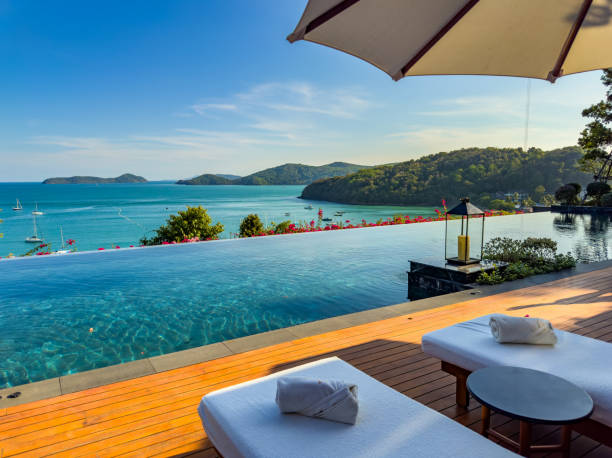
There is a quietly radical reshaping of how people imagine living by the sea, and nowhere is it more visible than in Phuket’s recent villa developments. These properties are not just houses with pools; they are orchestrations of climate, culture, and contemporary wants—homes that answer how we now want to spend our days in the tropics. This article examines why those new villas for sale in phuket feel like blueprints for a fresh tropical lifestyle instead of simply another real estate offering. Over the next several thousand words I’ll walk through the design choices, the social shifts, the market mechanics, and the practical signals that show why these homes are part of a genuine lifestyle movement. Expect architectural detail, market context, sustainability talk, and real-life observations from time spent on the island. If you’re scanning listings or planning a move, you’ll get a deeper sense of what these villas promise—and whether the promise matches the reality.
Defining the new tropical lifestyle
Tropical living used to mean a vacation mindset: a seasonal escape, an island bungalow, a back-to-nature weekend. The new tropical lifestyle reconfigures that relationship into everyday life. It’s about designing for comfort in heat and humidity, prioritizing outdoor rooms, integrating greenery into daily routines, and balancing activity with restful slowness. This lifestyle values openness without sacrificing privacy, natural ventilation without wasting energy, and indoor comforts that sit comfortably against an outdoor world. It is less about rustic authenticity and more about modern, purposeful design that respects climate and scene. In short, it’s a way of living that treats the tropics as an asset—an ambient, accessible backdrop for work, family life, and play. Crucially, this trend has been accelerated by two social changes: remote work and an appetite for wellness. With telecommuting normalized, many people no longer need to live in temperate city centers. They can choose locations that feel restorative while still being connected. That shift opens space for new villas to position themselves not just as holiday homes but as full-time residences tailored to a different rhythm of life.
Why Phuket is fertile ground for this trend
Phuket’s combination of natural beauty, infrastructure, and international familiarity makes it an obvious place for a tropical living experiment. The island offers varied coastlines, high-quality healthcare centers, international schools, and airports with regional connections—practical anchors that support longer stays and permanent moves. These elements reduce friction for buyers seeking a sustainable, everyday tropical life. Another practical factor is Phuket’s diversity of neighborhoods. From the calm of the north coast to the livelier towns near Patong, buyers can choose temperaments: quiet retreat, family suburb, or social hub. That choice is essential for a lifestyle approach because living in the tropics is not a one-size-fits-all proposition; it has to match family rhythms, work commitments, and social preferences. Local culture also matters. Phuket’s food, festivals, and easygoing community life make day-to-day living pleasurable rather than exotically challenging. The island’s service economy, built on hospitality, means high-quality property management, house staff, and short-term rental infrastructure are professionally available. That support network makes full-time living in a villa manageable for families and older residents who want peace without isolation.
Architectural cues: how new villas make the tropics livable
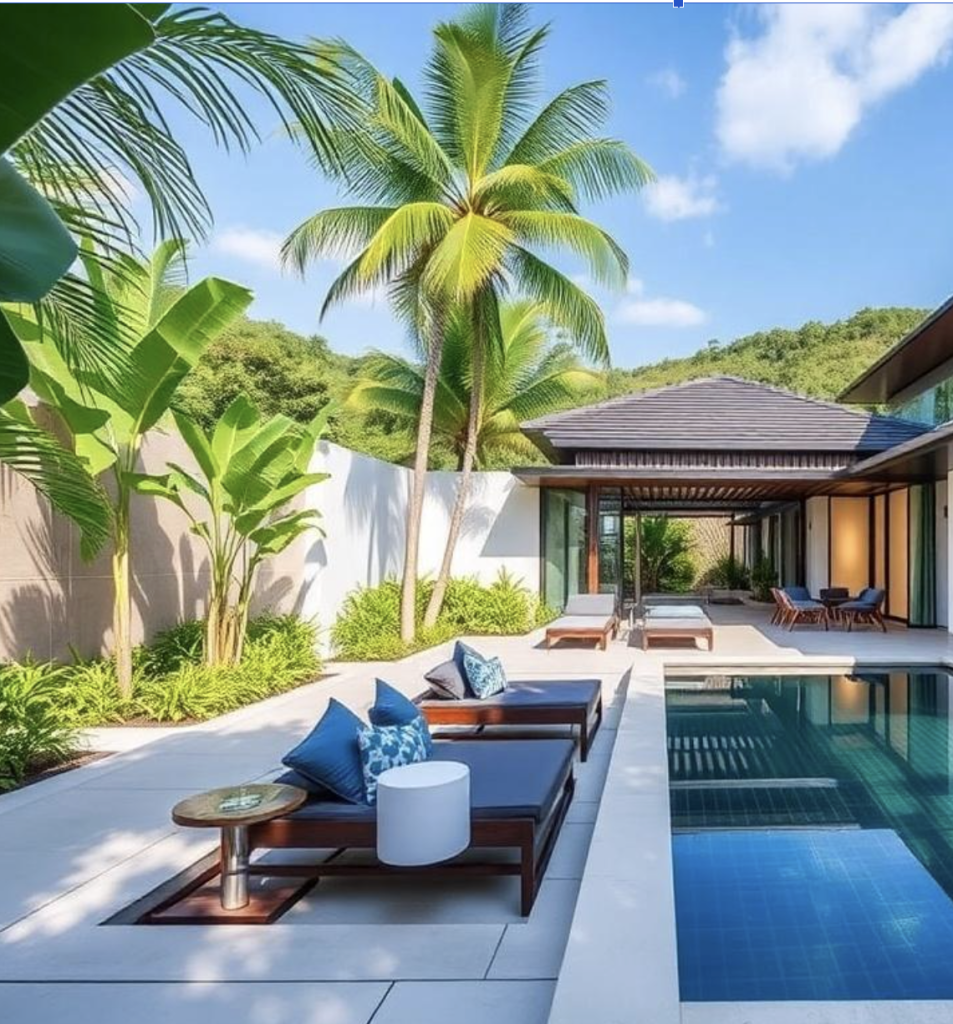
Walk into a modern Phuket villa and you can almost hear the climate informing every decision. Floor plans tend to blur edges between inside and out: sliding glass walls open to covered terraces, courtyards knit green light into living rooms, and covered walkways connect private wings. That fluidity creates usable outdoor living all year, not just on sunny afternoons. Materials speak the same language. Bamboo and timber are used for warmth, but increasingly developers pair them with concrete, stone, and composite materials engineered to resist humidity and salt air. Flooring choices favor cooling finishes—polished concrete, natural stone, and wide-plank timbers—that keep interiors comfortable without overreliance on air conditioning. Rooflines and overhangs play a practical role. Deep eaves, louvered screens, and pergolas shield interiors from intense sun while allowing breezes to circulate. Those architectural elements are not decorative afterthoughts; they are climate tools that reduce energy use and make outdoor rooms usable during midday heat or sudden tropical rain.
Indoor-outdoor flow and outdoor rooms
Outdoor rooms are the signature of the new tropical villa. They are measured spaces—dining pavilions, poolside lounges, open kitchens—that function like interior rooms but live outside. Developers create these spaces deliberately, equipping them with lighting, fans, mosquito control, and weatherproof furniture so they truly extend living areas. Designers also treat pools as social anchors rather than mere status items. Shallow lounging shelves, adjacent sunken seating, and connected wet bars turn a pool into a focal point for family time and entertaining. When people spend most of their day partially outdoors, pools become a stage for living rather than an isolated amenity.
Privacy without walls
One architectural challenge in tropical villa communities is creating privacy while preserving openness. The answer often lies in layered landscapes: hedges, vertical gardens, and staggered terraces create sightline buffers without solid walls. This approach keeps interiors shaded and secluded while maintaining the feeling of air and light. Water features, courtyards, and planting pockets are used as acoustic buffers. The sound of flowing water softens traffic noise and animates terraces, contributing to a domestic soundscape that feels intimate and natural. Designers deliberately choreograph views so private rooms overlook planted courtyards rather than neighboring roofs.
Sustainability and smart systems: modern tropical housekeeping
The new tropical lifestyle doesn’t mean ignoring modern responsibility; if anything, these villas are integrating sustainability into their DNA. Solar panels, efficient HVAC systems, LED lighting, and high-performance glazing are commonly specified. The goal is not perfection but a measurable reduction in running costs and environmental impact. Rainwater harvesting and graywater recycling are practical in the tropics where heavy seasonal rain can be captured and used for irrigation and landscaping. Developers and owners who invest in smart water systems reduce dependence on municipal supply while keeping gardens lush. That kind of resilience matters when daily life depends on maintaining outdoor spaces. Smart-home systems are also being used in subtle ways—automation for lights, shades, and pool pumps that respond to local conditions rather than flashy gadgets. A villa where sensors close shutters when storms approach and adjust fan speeds for humidity feels more liveable than one packed with novelty tech. These systems emphasize comfort, safety, and efficiency.
Materials and maintenance thinking
Practical maintenance considerations shape choices at every level. Coastal environments require corrosion-resistant metals, quick-drying upholstery, and UV-stable finishes. Developers are increasingly transparent about lifecycle costs rather than just upfront aesthetics, and buyers are starting to ask practical questions about maintenance schedules and material warranties. Design for easy care has become a selling point. Landscapes use native and drought-tolerant plants to reduce irrigation needs, and hardscape choices favor surfaces that are slip-resistant and easy to clean after storms. A villa that looks beautiful and stays easy to maintain is more aligned with the new tropical lifestyle than one that demands constant hands-on upkeep.
Amenities shaped around wellness and work
The contemporary villa is a microcosm of the modern life balance: areas to work, spaces to move, and corners to rest. Developers now include home offices with privacy and acoustic control, separate yoga or meditation pavilions, private gyms, and spa rooms for massage and recovery. These features recognize that health and productivity are part of daily living rather than separate activities. Open-plan kitchens that flow to outdoor dining terraces encourage a food culture centered on fresh, local produce. Many villas include covered outdoor cooking stations, pizza ovens, and grilling areas designed for year-round use. Entertaining becomes an extension of daily life, not an occasional event, which suits families and social buyers alike. For buyers who work remotely, reliable connectivity is non-negotiable. Fiber or high-quality satellite connections, dedicated work nooks with good lighting and soundproofing, and property-level UPS systems for power continuity are features buyers now prioritize. A villa that can be both a restful retreat and a dependable workplace is the hallmark of this trend.
Designing for children and multi-generational families
New villas often anticipate multi-generational living. Separate guest wings, flexible rooms that can become nurseries or home offices, and gentle landscape gradients that allow easy mobility all make villas more family-friendly. These design choices keep private and communal life in balance, enabling families to live together without friction. Child-friendly amenities—shallow lap pools, safe terraces, and gardens with play lawns—are increasingly integrated in tasteful ways that do not infantilize design. This approach respects the broader aesthetic while making the home adaptable to changing family needs over time.
Community and neighborhood: beyond the property boundary
The new tropical lifestyle is social as much as it is spatial. Villa developments in Phuket are often planned with community in mind: shared gardens, communal pools and clubhouses, coworking spaces, and on-site cafes. These amenities encourage neighbors to meet without forcing an artificial sociality; they simply provide the right places at the right scale. Proximity to everyday conveniences—markets, clinics, international schools, and secure marinas—changes how a villa is used. A 10- to 20-minute drive to a well-stocked supermarket or hospital makes it realistic to live full-time in the tropics. Developers understand that walkable or easily drivable nodes add immense value to the villa experience. Security and property management are also part of the lifestyle calculus. Many buyers want seamless, professional management that handles maintenance, rentals, and staffing. This allows owners to treat the villa as both home and asset without being hands-on every day. Professionalism in service frees residents to enjoy the island rather than weighty domestic logistics.
Market dynamics: why developers are building this way
Developers respond to demand, and demand in Phuket has shifted toward a year-round, quality-of-life proposition. International buyers from Europe, China, Australia, and the Middle East now seek homes with both tropical character and modern functionality. New villas for sale in Phuket reflect that market appetite by offering products that can satisfy both short-term rentals and long-term residency. Pricing dynamics reflect a premium for quality that reduces running costs and increases rental appeal. A villa that is energy-efficient, low-maintenance, and well-designed commands higher long-term value than a cheaply finished property. Buyers increasingly recognize that paying more upfront for resilient systems saves money and stress later. Developers are also creating product tiers—boutique, luxury, and family-oriented villas—each targeting a specific lifestyle segment. This segmentation helps buyers find a villa that matches not just budget, but daily rhythms: those who want a social scene, families who want calm, and long-term residents who need practical infrastructure.
Ownership structures and legal realities
Foreigners interested in villas should be aware of Thailand’s property rules. Condominiums can be owned freehold by foreigners under certain percentage limits, while land ownership is typically restricted. Villas on private land often require leasehold arrangements, investment through Thai companies, or other structures. These legal options are nuanced and vary by circumstance. Because laws and best practices change, professional legal and tax advice is essential. A careful buyer will consult a lawyer who specializes in Thai property law before signing any contract. That diligence minimizes risk and clarifies long-term costs such as taxes, transfer fees, and potential inheritance implications.
Rental potential and financial performance
For many buyers, investment logic is part of the purchase decision. Phuket remains a popular tourist destination which gives villas rental potential, but performance varies widely by location, product quality, and management. Villas that reflect lifestyle trends—good design, sustainability, and integrated services—tend to be more attractive to higher-paying guests and repeat renters. Short-term rental revenues can be offset by management fees, taxes, maintenance, and vacancy risk. A realistic financial projection should account for conservative occupancy rates and a clear plan for property upkeep. Well-run villas that double as long-term family homes often produce steadier returns because they combine personal use months with rental availability. Owners who want to maximize returns often opt into professional rental programs that handle marketing, check-in, cleaning, and maintenance. While these programs reduce private control, they relieve operational burden and can produce higher effective occupancy and nightly rates through professional channels.
Real-life observations from the island
On one of my visits to Phuket I toured a trio of new developments across different parts of the island. In each, the same priorities surfaced: expansive terraces, integrated greenery, and flexible rooms that could be a home office or a child’s bedroom. What struck me most was how easily people slipped between indoor and outdoor zones—mealtimes, work sessions, and relaxation flowed naturally through open thresholds. In another neighborhood the local expat community had organized informal barbecues in a shared garden that doubled as a co-working courtyard. That community spirit felt intentional, as if the architecture encouraged social exchange without forcing it. These small scenes made the lifestyle tangible: comfortable, social, and adaptable. Owners I spoke with emphasized practical details: a dedicated backup generator, a reliable water filter, and a manager who handled staff scheduling. These small operational details mattered as much as the aesthetics. The practical lived experience often decides whether a villa is a fleeting fantasy or a durable home.
How to evaluate listings for tropical lifestyle fit
When browsing new villas for sale in Phuket, look beyond glossy photos. Ask about ventilation strategies, orientation to the sun, and landscaping plans. These elements determine how comfortable the villa will be before spending a dollar on cooling or repairs. A villa that is thoughtfully sited will feel cooler and more comfortable naturally. Review the materials list and maintenance schedule. Corrosion-proof fastenings, UV-stable fabrics, and clear maintenance plans are signs a developer thought about longevity. Request documentation on guarantees for roofs, pool finishes, and mechanical systems so you can anticipate costs and timelines. Check the community services and neighborhood ties: what shops, clinics, and schools are nearby, and how reliable is transport? A villa that sits on a lovely plot but is isolated from essential services can become less usable over time. Good location is about both scenery and daily practicality.
Questions to ask developers and agents
- How is the property oriented to take advantage of prevailing breezes and shade?
- What energy-efficiency measures are included and how much do they reduce typical bills?
- Who manages the property and what services are included in management fees?
- What are the typical maintenance costs and how often are common areas serviced?
- What legal ownership structures are offered to foreign buyers and what are the tax implications?
These questions reveal not just the villa’s immediate qualities, but whether the development is aligned with the longer-term tropical lifestyle buyers often seek. A responsive developer who provides clear, documented answers demonstrates commitment to durability and resident experience.
Practical checklist: features that matter
Below is a compact table to compare essential features that separate a villa meant for true tropical living from one designed only to look the part. Use it as a bargaining and evaluation tool when touring properties or reviewing listings.
| Feature | Why it matters | Priority |
| Orientation and shading | Controls heat load and reduces AC needs | High |
| Indoor-outdoor transitions | Makes outdoor living usable year-round | High |
| Water systems (rain/gray) | Reduces utility costs and ensures garden resilience | Medium |
| Durable materials | Lowers long-term maintenance and replacement costs | High |
| Community amenities | Provides social and practical services for daily life | Medium |
| Connectivity and backup power | Ensures work continuity and comfort | High |
| Professional management | Simplifies ownership, especially for absentee owners | Medium |
Negotiation and purchase tips
Negotiating for a tropical villa involves both price and specifics. Beyond the sale price, secure clauses for completion timelines, quality checks, and agreed-upon finishes. Make sure the contract specifies who pays for final rectifications and the timeline for addressing defects. Consider including a phased payment linked to construction milestones and independent inspections before each payment. Independent building consultants can identify issues that are easy to fix before closing but expensive afterward. These inspections are a small cost compared to the peace of mind they provide. If you’re using the property as a rental, negotiate management terms that reflect occupancy expectations and marketing strategies. Clear revenue-sharing arrangements and transparent reporting systems protect both owner and operator. A good manager will want alignment, not conflict, so aim for win-win agreements.
Common pitfalls and how to avoid them
Buyers sometimes fall for beautiful staging without scrutinizing functional details. A villa may photograph brilliantly but have poor drainage, weak insulation, or unreliable staff. Always verify infrastructure: drainage, access roads, waste management, and power backup systems. These are the elements that affect daily life most. A second common mistake is underestimating ongoing costs. Garden maintenance, pool servicing, staff wages, and community fees add up. Create a realistic annual budget that includes contingencies for repairs and replacement of major items like pumps and filters. Over time, these numbers shape the overall affordability of the lifestyle. Finally, don’t skimp on legal advice. Ownership structures in Thailand are complex for foreigners, and a small legal misstep can create significant barriers later. An experienced local lawyer will clarify options, costs, and tax implications so you can make a confident, lawful purchase.
Who benefits most from this trend?
Certain buyer profiles are particularly well-suited to the new tropical lifestyle. Remote professionals and entrepreneurs who value quality of life and reliable infrastructure benefit because they can genuinely live and work from their villas. Families seeking outdoor space and wellness amenities find the lifestyle supportive of healthy routines. Retirees and semi-retirees also find appeal in these properties, especially when they come with professional management and nearby services. For owners who want low-maintenance luxury, the right development can offer freedom without isolation. Investors who prioritize long-term rental appeal benefit from properties that are both desirable and resilient.
Final thoughts on choosing a tropical life in Phuket
New villas for sale in Phuket are more than real estate; they are invitations to a different daily tempo. The trend favors thoughtful architecture, pragmatic sustainability, and integrated services that make tropical living comfortable and viable year-round. Choosing the right property means aligning your everyday needs with design, location, and community. If you are considering making the move, let your search be guided by livability more than allure. Ask practical questions, visit at different times of day, and prioritize features that reduce friction in everyday life. A well-chosen villa in Phuket can be a long-term investment in health, community, and a genuinely new way to live under the palms, especially when exploring options on the site papaya property.