


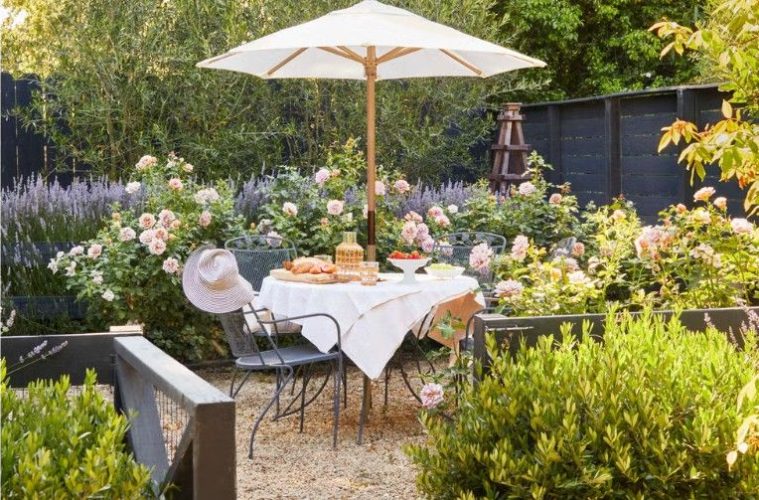
Bring English-inspired charm to your backyard with layered plants, natural materials, outdoor rooms, colorful accents, and a beautifully imperfect look.
Bring the Indoors Outside
August 11, 2026 – One of the easiest ways to make an outdoor space feel more inviting is to stop treating it as a completely separate area from the rest of your home. British-inspired outdoor design often approaches gardens and patios almost like extensions of the interior, creating spaces that feel comfortable, layered, and ready to use.
Instead of filling a patio with nothing more than a table and chairs, think about creating different outdoor “rooms.” A dining area, reading corner, lounge, or small entertaining space can each have its own personality while still working together.
The key is choosing pieces that can handle outdoor conditions. Weather-resistant furniture, durable textiles, and accessories designed to withstand moisture and sunlight can help create the look without sacrificing practicality.
Lighting is particularly useful. Rechargeable outdoor lamps can add a warm glow to a patio or terrace without requiring permanent electrical installation. Placing lighting near seating and dining areas can make the space feel more like a room after sunset.
The result should be an outdoor area that encourages people to stay rather than simply pass through.

Credit: David Tsay, styling by Page Mullins
Create Outdoor Rooms Instead of One Large Space
A backyard does not have to function as one enormous open area. Breaking it into smaller zones can make even a modest outdoor space feel more considered.
Start by deciding how you want to use the area. If you enjoy eating outside, create a dedicated dining zone. If relaxing with a book is more your style, a comfortable chair tucked among plants can become a separate retreat.
Outdoor rugs, planters, lighting, and furniture placement can subtly define these areas without requiring walls or permanent construction.
This approach also makes a space feel more intimate. Rather than arranging every piece of furniture around the center of the yard, create smaller destinations that invite people to explore different parts of the garden.
Group Your Plants for a Collected Look
When it comes to plants, more isn’t necessarily better. The way greenery is arranged can have just as much impact as the plants themselves.
One particularly easy trick is to group potted plants together instead of scattering individual containers throughout the garden. Using terracotta planters in different sizes can create a relaxed, collected appearance while giving the arrangement some visual height and variety.
This idea is especially useful for renters or homeowners who don’t want to commit to permanent landscaping. Containers can be moved, rearranged, or replaced as seasons change.
Rather than trying to make every plant stand alone, think of several pots as a single composition. Combining different heights, textures, and foliage shapes can make a simple collection look considerably more intentional.
Mix Old and New Pieces
British outdoor spaces often have a sense that they have evolved over time rather than being purchased all at once. That doesn’t mean everything needs to be antique or vintage.
Instead, mix contemporary pieces with items that have a little more character. A modern outdoor sofa can sit alongside an aged metal table, weathered planter, vintage-inspired lantern, or wooden bench.
This approach can also be more practical than purchasing an entire matching furniture set. A collection assembled gradually tends to feel more personal, and individual pieces can be replaced or updated without making the entire space look mismatched.
The goal is a garden that feels lived-in rather than showroom-perfect.

Credit: Jacky Parker Photography
Choose Materials That Age Beautifully
Natural materials can help an outdoor space feel connected to its surroundings. Weathered stone, brick, gravel, timber, and aged metals can develop character over time rather than looking increasingly worn.
This is particularly useful when designing a garden because the materials should complement the plants rather than compete with them.
For furniture, materials such as teak and galvanized steel can provide durability while contributing to a more timeless appearance. Their natural or weathered qualities can work particularly well with greenery and flowers.
Think about how each material will look not only when it is brand new but also after several seasons of exposure to the elements. A material that becomes more attractive with age can make maintaining the overall aesthetic much easier.
Add Color Without Making the Space Feel Overdecorated
British garden design often embraces color, but the effect doesn’t have to feel loud or overly coordinated. A few carefully chosen colors can make an outdoor space feel cheerful while allowing the greenery to remain the main attraction.
Try introducing color through cushions, ceramic planters, painted furniture, umbrellas, or outdoor accessories. If your garden already has plenty of flowers, neutral furniture can provide a calmer foundation.
For a more distinctive look, choose one or two accent colors and repeat them in different parts of the space. A blue cushion might echo a painted planter, while a warm yellow accessory can complement surrounding flowers.
The goal is repetition rather than matching. Small connections between colors can make an outdoor area feel thoughtfully designed without looking overly planned.
Let the Garden Look a Little Imperfect
One of the most appealing characteristics of British-inspired outdoor design is that it doesn’t necessarily aim for perfection. A garden can feel more welcoming when plants spill slightly over pathways, flowers grow in informal clusters, and furniture develops a little character with age.
That doesn’t mean neglecting maintenance. Instead, allow some natural variation rather than trying to make every plant, pot, and piece of furniture look perfectly symmetrical.
Mixing formal and informal elements can create the same effect. A neatly arranged dining area surrounded by slightly wild planting can feel much more relaxed than a space where every element has been carefully controlled.
This approach can also make gardening easier. You don’t have to constantly rearrange everything to maintain a perfectly polished appearance.

Credit: Rachel Whiting
Make Seating the Center of the Garden
A beautiful garden becomes much more useful when it gives people a reason to sit and enjoy it. Instead of treating seating as an afterthought, make it one of the central elements of your outdoor design.
A comfortable sofa can anchor a larger patio, while a small bench can transform an overlooked corner into a quiet retreat. For dining areas, choose a table large enough for the way you actually entertain rather than simply selecting the biggest option available.
Positioning matters, too. Place seating where you can enjoy the garden’s best views, surrounding trees, flowers, or architectural features.
Adding cushions, throws, and weather-resistant textiles can make seating feel more inviting while introducing another opportunity to bring color and texture into the space.
Final Thoughts
The most useful lesson from British outdoor design is that a beautiful garden doesn’t have to look perfectly coordinated. Creating outdoor rooms, grouping plants, mixing old and new pieces, choosing materials that age gracefully, and introducing thoughtful color can make an outdoor space feel collected and personal.
You don’t need to completely redesign your yard to achieve the look. Start with one seating area, a cluster of containers, or a few carefully chosen accessories and build from there. The goal is an outdoor space that feels comfortable, natural, and genuinely connected to the way you live.

Credit: ANNIE SCHLECHTER
FAQs
What is British-inspired outdoor design?
It typically combines relaxed planting, natural materials, comfortable seating, layered textures, and a slightly informal appearance to create a garden that feels lived-in and inviting.
How can I create outdoor rooms in my garden?
Use furniture, outdoor rugs, planters, lighting, and changes in flooring or planting to visually separate areas for dining, relaxing, entertaining, or gardening.
How can I make my patio look more British-inspired?
Mix natural materials with comfortable furniture, group plants in containers, add subtle color, and combine newer pieces with weathered or vintage-inspired items.
Should an English-style garden look perfectly maintained?
Not necessarily. A slightly informal appearance, with natural growth and varied planting, can be part of the charm while the space remains properly cared for.
What materials work well for an outdoor space?
Natural stone, timber, brick, gravel, aged metals, teak, and galvanized steel can all work well, particularly when their appearance complements the surrounding plants.
Published by HOLR Magazine