


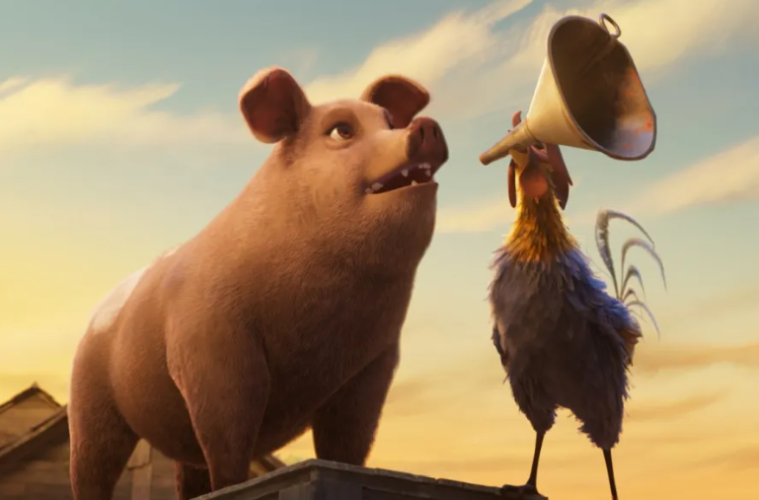
Andy Serkis’ animated take trades complexity for accessibility
A familiar story reimagined for a broader audience
April 24, 2026 – The latest adaptation of Animal Farm arrives under the direction of Andy Serkis, bringing together a high-profile voice cast that includes Seth Rogen, Kieran Culkin, and Glenn Close. The film revisits George Orwell’s iconic allegory but takes a noticeably simplified approach, aiming to make the story more accessible to contemporary audiences.
While the original novella is known for its sharp political commentary and layered symbolism, this version appears to lean toward a more straightforward narrative, emphasizing character and tone over complexity.

Image Credit: Getty Images
A cast that brings energy and contrast
One of the film’s strongest assets is its voice cast. Seth Rogen brings his signature comedic delivery, adding a lighter tone to moments that might otherwise feel heavy. Kieran Culkin offers a nuanced performance that captures both charm and tension, while Glenn Close delivers a commanding presence that grounds the film’s more serious elements.
The combination of these performances creates a dynamic auditory experience, even when the script itself opts for a more simplified interpretation of the source material.
Simplifying Orwell’s message
A central point of discussion around Animal Farm is its decision to streamline the themes of Animal Farm*. The original work is a pointed critique of power, control, and political systems, layered with allegorical meaning.
In this adaptation, much of that nuance is softened. The narrative focuses more on the surface-level story of rebellion and leadership, potentially making it easier for younger or less familiar audiences to engage with, but at the cost of the depth that defined the original.

Image Credit: Getty Images
Visual storytelling and animation style
Under Andy Serkis’ direction, the film adopts a polished animated style that blends realism with stylization. The visuals aim to create an immersive farm setting while maintaining a tone that aligns with the film’s more accessible approach.
The animation supports the storytelling effectively, though it occasionally feels at odds with the darker undertones of the original narrative. This contrast highlights the film’s broader shift toward a lighter interpretation.
Balancing tone and intent
One of the challenges of adapting Animal Farm is balancing its serious themes with audience expectations. This version leans toward a tone that is more approachable and less confrontational, which may broaden its appeal but also dilute its impact.
The result is a film that feels more like a reinterpretation than a direct translation, offering a different lens through which to view the story.

Image Credit: Getty Images
Audience accessibility versus thematic depth
The decision to simplify the narrative raises questions about the trade-off between accessibility and depth. By making the story more straightforward, the film opens itself to a wider audience, including viewers who may not be familiar with the original work.
However, this approach also risks losing the elements that made Animal Farm enduringly relevant. The balance between these priorities is a key factor in how the film is received.
Early reactions and critical perspective
Initial responses to the film have been mixed, with praise directed at the voice performances and animation, while criticism focuses on the perceived loss of complexity. For some viewers, the adaptation’s accessibility is a strength; for others, it represents a missed opportunity to fully engage with Orwell’s themes.
This divide reflects the broader challenge of adapting classic works for modern audiences.
The legacy of Animal Farm
Animal Farm remains one of the most influential works of political literature, with themes that continue to resonate across generations. Any adaptation inevitably invites comparison to the original, making it difficult to satisfy all expectations.
This version contributes to the ongoing conversation about how classic stories can be reinterpreted while maintaining their core message.
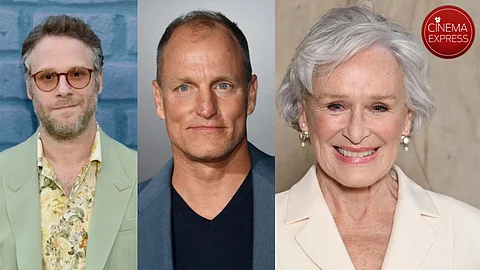
Image Credit: Getty Images
What this adaptation ultimately offers
Animal Farm offers a visually engaging and performance-driven take on a well-known story. While it may not capture the full depth of the source material, it provides an entry point for new audiences.
For viewers seeking a lighter, more accessible version of the story, the film delivers a coherent and polished experience.
Final Thoughts
Andy Serkis’ adaptation of Animal Farm brings together a talented cast and strong visuals but opts for a simplified interpretation of a complex narrative. While this approach broadens accessibility, it also reduces the sharpness of the original’s commentary.
Ultimately, the film stands as a reminder of the challenges involved in adapting classic literature—balancing respect for the source with the demands of modern storytelling.
FAQs
Q1: Who directed the new Animal Farm adaptation?
Andy Serkis directed the film.
Q2: Who are the main voice actors?
Seth Rogen, Kieran Culkin, and Glenn Close are part of the cast.
Q3: How does it differ from the original book?
It simplifies the themes and narrative for a broader audience.
Q4: What genre is the film?
It is an animated adaptation of a political allegory.
Q5: Is it faithful to Orwell’s work?
It retains the basic story but reduces some of the original complexity.
Published by HOLR Magazine