


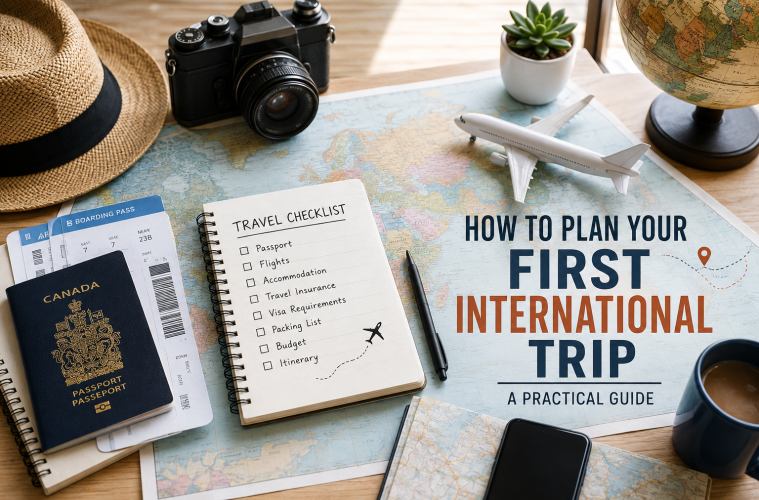
Planning your first trip abroad can feel overwhelming, but breaking it into a few simple steps can make the entire experience easier, safer, and far more enjoyable.
August 20, 2026: Planning your first international trip is exciting. There is something special about knowing that, in a few weeks or months, you could be walking through a completely unfamiliar city, trying food you have never tasted, hearing another language around you and seeing places you have previously only seen in photographs.
But the excitement can quickly turn into stress when you start thinking about passports, visas, flights, hotels, travel insurance, money, packing, and everything else that comes with leaving the country.
The good news? You do not need to figure everything out at once.
The easiest way to plan an international trip is to work through it in stages. From choosing your destination to preparing your documents and getting ready for the airport, a little organization can prevent many of the problems that first-time travelers worry about.
HOLR breaks down the story here with a practical guide to planning your first international adventure.
Start by Choosing the Right Destination
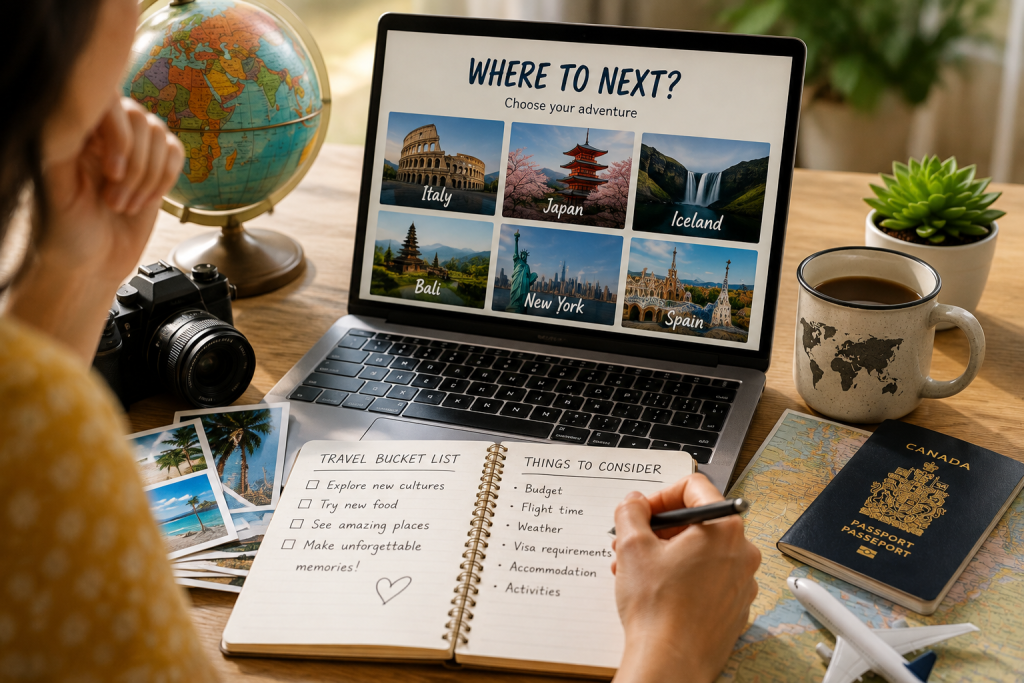
Before looking at flights, decide where you actually want to go.
Your first international trip does not have to be the most ambitious vacation of your life. A destination that is relatively easy to navigate can make your first experience abroad much more enjoyable.
Think about what kind of trip you want. Are you looking for beaches and relaxation, museums and history, food and culture, outdoor adventures, nightlife, or a combination of everything?
Your budget should also influence your decision. The cost of flights is only one part of the equation. Accommodation, transportation, food, activities, travel insurance, and exchange rates can significantly affect the final cost of a trip.
It is also worth considering the time you have available. A long-haul destination may make sense for a two-week vacation but could feel rushed if you only have five days.
Check Passport and Entry Requirements Early
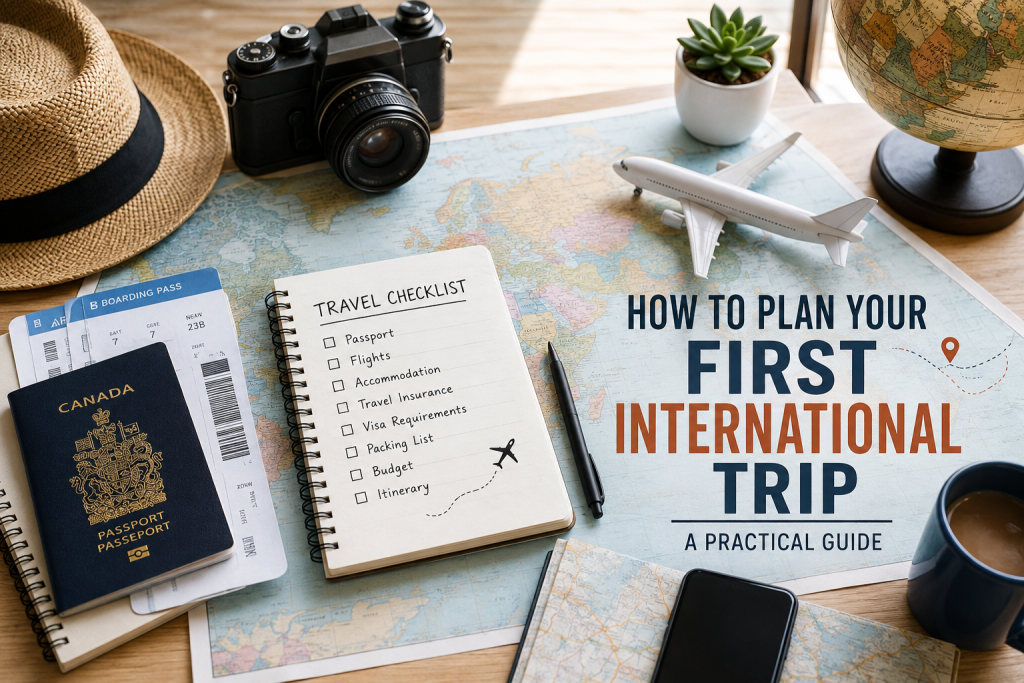
This is one of the most important steps, and it should happen before you book a non-refundable trip.
Check your passport’s validity and the entry requirements for every country on your itinerary. Depending on the destination and your citizenship, you may need a visa, electronic travel authorization, proof of onward travel, specific vaccinations, or other documentation.
Visa rules can also vary significantly between countries. Some destinations may allow visa-free travel for certain passport holders, while others require an application before departure.
Do not rely on an old blog post or a social media comment for this information. Entry rules can change.
Create a Realistic Travel Budget
One of the easiest ways to make a vacation stressful is to underestimate how much it will cost.
Instead of creating a budget around airfare and accommodation alone, consider the entire trip.
Your budget may include:
- Flights
- Accommodation
- Airport transportation
- Local transportation
- Food and drinks
- Travel insurance
- Visa or authorization fees
- Attractions and activities
- Shopping
- Mobile data or roaming
- Tips and service charges
- Emergency expenses
It is also smart to keep some money available for unexpected costs.
If you are traveling internationally, remember that the exchange rate can make everyday purchases feel very different from what you are used to paying at home. Before leaving, check the local currency and understand how your credit or debit card handles foreign transactions.
Having more than one way to access money can also be useful. For example, you might carry a primary card, a backup card, and a small amount of local currency.
Book Your Flights Carefully
Once you know your destination, dates, and budget, you can start looking at flights.
The cheapest flight is not always the best flight.
A very long layover, multiple connections, or an inconvenient arrival time can make a first international trip considerably more tiring. When comparing flights, look at the total travel time, number of connections, baggage rules and airport locations—not just the headline price.
If you have a connection, give yourself enough time to navigate the airport and account for potential delays.
For your first international trip, a straightforward itinerary can be worth paying slightly more for if it makes the journey significantly easier.
Choose Accommodation Based on Location
A beautiful hotel can still be inconvenient if it is far away from everything you want to see.
When choosing accommodation, look at the neighborhood rather than focusing only on the property itself.
Consider:
- Distance from the airport
- Access to public transportation
- Walking distance to restaurants and attractions
- Safety information for the area
- Check-in and check-out times
- Reviews from recent guests
- Cancellation policies
- Whether breakfast or other essentials are included
You do not necessarily need to stay in the most central neighborhood. Sometimes a well-connected area slightly outside the tourist center can offer better value.
Don’t Overplan Every Minute
It is tempting to create a detailed itinerary when you are excited about a new destination.
But leaving some breathing room can make a trip much more enjoyable.
Choose a few things that you absolutely want to experience and build your schedule around them. Then leave space for wandering, resting, discovering a neighborhood, or stopping somewhere that was not in your original plan.
Trying to visit ten attractions in one day may look impressive on paper, but it can quickly become exhausting.
A good vacation should leave you with memories—not just a long list of places you managed to check off.

Research Local Customs Before You Go
One of the most rewarding parts of international travel is experiencing a culture different from your own.
Spend some time learning about local customs before arriving.
Research appropriate clothing, tipping expectations, common greetings, public behavior, dining etiquette, and any rules that visitors are expected to follow.
This is not about becoming an expert before you travel. It is about showing respect and avoiding situations where you unintentionally offend someone or break a local rule.
The Government of Canada advises travelers to respect local laws, religions and cultures while abroad.
Get Travel Insurance
Travel insurance is one of those things that can feel unnecessary when everything is going well.
You may change your mind when something goes wrong.
The Government of Canada recommends purchasing travel health insurance before traveling outside Canada, even for short trips. Provincial or territorial health plans may cover little or none of the cost of medical treatment abroad, and they generally will not pay foreign medical bills upfront.
Depending on your circumstances, you may want coverage for medical emergencies, emergency medical evacuation, trip interruption, cancellation and baggage-related problems.
Read the policy carefully before purchasing it. Pay particular attention to exclusions, deductibles, pre-existing condition provisions, and the length of coverage.
Prepare a Travel Document Folder
One of the easiest ways to feel more organized is to keep important documents together.
Have secure digital copies and, where appropriate, physical copies of important information, such as:
- Passport identification page
- Visa or travel authorization
- Flight confirmations
- Hotel reservations
- Travel insurance policy
- Emergency contacts
- Important medical information
- Transportation reservations
Do not rely exclusively on your phone. A dead battery, lost phone, or poor internet connection can turn a simple situation into a frustrating one.
The Government of Canada recommends leaving copies of your itinerary, passport identification page and insurance policy with someone you trust at home.
Plan Your Phone and Internet Access
Arriving in another country without a working phone can be inconvenient, particularly if you need maps, translation, transportation apps, or emergency information.
Before leaving, check whether your current mobile plan includes international roaming and what the charges are.
Depending on your destination and phone, alternatives may include an eSIM, local SIM card or travel data plan.
Download important information before your flight, including offline maps, hotel details, boarding passes and transportation information where possible.
Pack for the Trip You Are Actually Taking
Packing becomes much easier when you stop preparing for every possible scenario.
Check the weather forecast and typical climate for your destination before packing. Choose clothing that can be mixed and matched and consider layering when temperatures may change throughout the day.
Your essentials will depend on the destination, but a basic international travel kit may include:
- Passport and travel documents
- Comfortable walking shoes
- Weather-appropriate clothing
- Toiletries
- Prescription medications
- Chargers and adapters
- Basic first-aid supplies
- Reusable water bottle where appropriate
- Copies of important documents
The Government of Canada’s travel health guidance also recommends preparing a destination-appropriate health kit and carrying necessary medications and proof of insurance.
Keep essential documents, medication, and valuable items in your carry-on rather than your checked luggage.
Think About Airport Day Before You Leave
Your first international airport experience may feel complicated, but preparation makes a huge difference.
Check your airline’s baggage requirements and online check-in information before leaving home. Have your passport and required travel documents easily accessible.
Arrive with enough time for check-in, security, immigration procedures, and finding your gate.
Do not forget that airport procedures can differ depending on the airport, airline, and destination. The Government of Canada recommends checking destination-specific requirements and preparing the necessary identification before traveling.
Prepare for the Unexpected
Even the best-planned trip can have delays, cancellations, lost luggage, bad weather or other surprises.
That does not necessarily mean your vacation is ruined.
Keep emergency contacts accessible, maintain some financial flexibility and know how to contact your travel insurance provider.
If you are a Canadian traveler, the Government of Canada recommends registering your trip through its Registration of Canadians Abroad service so that you can receive important information during an emergency.
It is also worth knowing where the nearest Canadian embassy, consulate or high commission is located at your destination.
Give Yourself Time to Enjoy the Experience
The final piece of advice may be the simplest: do not let planning take away from the reason you are traveling.
Your first international trip may not go perfectly. You might miss a train, order something you did not expect, get slightly lost, or discover that an attraction looks very different from the photos.
Those moments are part of traveling.
Planning gives you a safety net, but curiosity is what makes the experience memorable.
The best first international trip is not necessarily the one with the most expensive hotel, the longest itinerary or the greatest number of destinations. It is the one where you feel prepared enough to explore without constantly worrying about what could go wrong.
HOLR has the latest travel guidance for readers looking to travel smarter: research your destination, organize your documents, budget realistically, protect yourself with appropriate insurance, and leave enough room for the unexpected.
Once those essentials are handled, you can focus on the best part—actually going somewhere new.
FAQs
How far in advance should I plan my first international trip?
There is no single timeline that works for every destination, but starting several months ahead gives you more time to compare flights and accommodation, check passport validity, apply for visas if necessary and arrange travel insurance.
What documents do I need for an international trip?
Your requirements depend on your nationality and destination. You may need a valid passport, visa or electronic travel authorization and additional documents. Always check the official requirements for your destination before departure.
Do Canadians need travel insurance when traveling internationally?
Travel insurance is strongly recommended by the Government of Canada. Provincial and territorial health plans may not cover medical expenses abroad, so travellers should understand their coverage before leaving Canada.
Should I carry cash when traveling internationally?
It can be useful to carry a small amount of local currency, but the ideal payment method depends on your destination. Having a combination of payment methods can provide a backup if one card is lost, blocked or not accepted.
What should I pack for my first international trip?
Start with your passport, travel documents, medication, chargers, appropriate clothing, comfortable shoes and essential toiletries. Check your destination’s weather, baggage restrictions and health requirements before packing.
Should I plan every day of my vacation?
Not necessarily. It is useful to reserve important attractions and transportation in advance, but leaving some free time allows you to rest and explore without feeling rushed.
What should I do if something goes wrong abroad?
Contact the appropriate local emergency service when necessary, then contact your travel insurance provider or the relevant Canadian consular office if you need assistance. Keep important contact information accessible throughout your trip.