


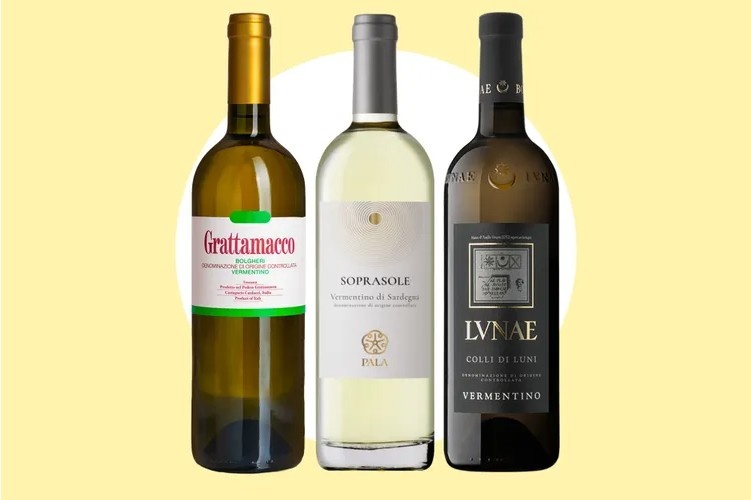
From Liguria and Tuscany to Sardinia, Vermentino stands apart with coastal salinity, Mediterranean aromas, lively acidity, rich texture, and aging potential.
A White Wine With A Strong Sense Of Place
August 18, 2026 – Italian white wine has a reputation for being fresh and easy to enjoy, but Vermentino offers considerably more personality. Grown primarily along Italy’s western coast, the grape produces wines that combine lively acidity and freshness with richness, minerality and a distinctive savory character.
Its strongest associations are with Liguria, coastal Tuscany and Sardinia, where vineyards benefit from Mediterranean sunshine and maritime conditions. That relationship with the sea is an important part of Vermentino’s identity, particularly in wines from coastal growing regions.
Depending on where it is grown and how it is produced, Vermentino can offer aromas and flavors ranging from grapefruit, lemon peel and melon to white flowers, herbs and Mediterranean scrub. Beneath the fruit is often a noticeable saline quality that gives the wine additional depth.
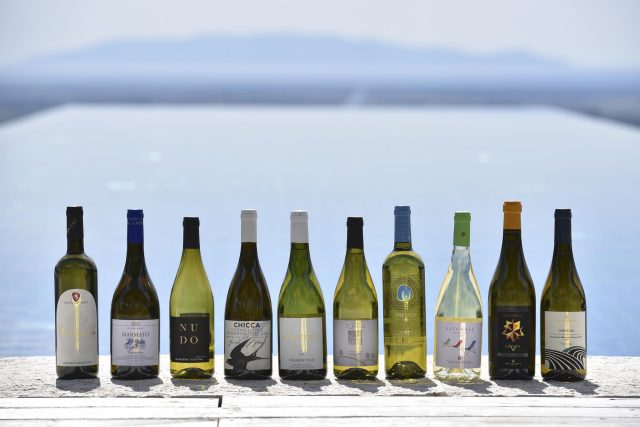
The Salty Character That Sets Vermentino Apart
One of Vermentino’s most recognizable characteristics is its savory, saline quality. It does not literally taste like seawater, but it can leave an impression reminiscent of the sea, particularly in wines grown close to the coast.
That quality works alongside the grape’s natural acidity and fruit character, creating a wine that can feel refreshing without becoming overly light. Some examples also develop a surprisingly rich texture, giving them more substance than their bright aromas might initially suggest.
Vermentino is frequently made without oak, allowing the grape’s natural freshness, minerality and aromatic qualities to remain prominent. However, producers can take different approaches, including aging some examples in oak to create greater richness and complexity.
Liguria Offers A Classic Coastal Expression
Liguria, in northwestern Italy, is one of the regions most closely associated with Vermentino. The Colli di Luni area, near the border with Tuscany, is particularly important, with vineyards benefiting from the region’s proximity to the sea and its hilly terrain.
The combination of marine influence, sunlight, wind and mineral-rich soils can produce wines with pronounced freshness and savory character.
Cantine Lunae is one of the producers associated with the region’s Vermentino tradition. Its wines demonstrate the range available within the grape, from stainless-steel-aged expressions that emphasize freshness to more structured examples that spend time in oak.
That regional variation is part of what makes Vermentino worth exploring rather than treating it as a single, uniform wine style.
Sardinia Has Its Own Vermentino Identity
Sardinia has developed an equally important relationship with Vermentino, particularly in the island’s northeastern Gallura region.
There are two classifications worth knowing. Vermentino di Sardegna can be produced in different parts of the island, while Vermentino di Gallura is specifically associated with Gallura and the surrounding northeastern territory.
Vermentino di Gallura is especially notable because it carries Italy’s DOCG designation, the country’s highest classification for wines based on controlled and guaranteed origin.
The island’s Mediterranean climate, strong winds and distinctive terrain can give its Vermentinos a combination of ripe fruit, acidity, minerality and saline character that differs from wines produced farther north.
:max_bytes(150000):strip_icc():format(webp)/Vermentino-A-Summer-White-And-So-Much-More-FT-DGTL0826-Cantine-Lunae-Bosoni-Vermentino-Etichetta-Nera-e80792bab63c4f67942c04911e009d2d.jpg)
Credit: Food & Wine / Cantine Lunae
Coastal Tuscany Brings More Texture
Tuscany is famous around the world for its red wines, but the region’s coastal areas also provide compelling conditions for Vermentino.
The grape has become particularly associated with Bolgheri, where producers have demonstrated that it can produce wines with considerable texture and depth.
Michele Satta is among the producers who have highlighted Vermentino’s potential in coastal Tuscany. The area’s warm conditions can encourage ripe fruit development, while maritime influences and acidity help maintain balance.
The result can be a fuller expression of Vermentino that still retains the freshness and savory qualities expected from the grape.
Vermentino Can Be More Complex Than Expected
One reason Vermentino deserves more attention is that it can challenge expectations about Italian white wine.
It is easy to associate the grape with a crisp bottle meant to be opened young and enjoyed on a warm afternoon. While that description can certainly apply to some examples, it does not tell the whole story.
Higher-quality Vermentinos can have considerable texture and concentration. Some can also develop additional layers with time, making them interesting choices for drinkers who normally look toward more famous Italian white varieties.
The combination of freshness and structure is what gives the grape such versatility.
:max_bytes(150000):strip_icc():format(webp)/Vermentino-A-Summer-White-And-So-Much-More-FT-DGTL0826-Jankara-Vermentino-di-Gallura-Superiore-2025-a3cefbb4765e4818a7c413a9e467d418.jpg)
Credit: Food & Wine / Jankara
The Surprising Aging Potential
Vermentino’s ability to age may be one of its least expected qualities. Young bottles often emphasize citrus, fresh fruit and lively acidity, but mature examples can develop more complex aromas and flavors.
According to producer Diego Bosoni, Vermentino can begin showing notes of ripe peach, chamomile, honey, dried herbs and almond after several years in bottle. With further aging, its mineral character can become increasingly pronounced.
That does not mean every bottle of Vermentino should be stored for a decade. Instead, it demonstrates that well-made examples can evolve significantly when given the right conditions.
For wine drinkers accustomed to opening white wine immediately, that aging potential offers another reason to explore bottles from established producers.
A Natural Partner For Seafood
Vermentino’s acidity and saline character make it particularly well suited to seafood, one of the reasons it has become so closely connected with Mediterranean cuisine.
The wine works naturally with dishes featuring fish and shellfish, including stuffed anchovies, fish soups, cod and octopus with potatoes. Its freshness can cut through richer preparations, while the savory character complements the flavors of the sea.
Mediterranean herbs also make sense alongside the wine. Rosemary, sage and other aromatic ingredients can echo the herbal qualities sometimes found in Vermentino itself.
Its versatility means it does not need to be reserved exclusively for delicate seafood dishes. Fuller examples can stand up to more substantial preparations while retaining enough acidity to keep the meal balanced.
:max_bytes(150000):strip_icc():format(webp)/Vermentino-A-Summer-White-And-So-Much-More-FT-DGTL0826-Pala-Vermentino-di-Sardegna-Soprasole-e6dfefae90eb45e786fe47f3c8e66de6.jpg)
Credit: Food & Wine / Pala
Why Vermentino Is Worth Knowing
Vermentino may not have the international recognition of Chardonnay, Sauvignon Blanc or Pinot Grigio, but its distinctive character makes it an especially interesting Italian white wine to discover.
Its combination of coastal salinity, bright acidity, Mediterranean fruit and herbal notes gives it a clear personality, while regional differences allow the grape to express itself in remarkably varied ways.
Liguria emphasizes its coastal and mineral side. Sardinia offers its own Mediterranean interpretation, particularly in Gallura, while coastal Tuscany demonstrates how the grape can become richer and more structured.
That range makes Vermentino more than a refreshing summer wine. It is a grape capable of offering complexity, food-friendliness and, in the right bottles, genuine aging potential.
Six Vermentino Bottles Worth Seeking Out
Once you understand the grape’s range, the next step is exploring bottles that show why Vermentino has become such an interesting part of Italian wine. The recommended examples span Sardinia, Liguria and Tuscany, offering different expressions of the grape while retaining its characteristic freshness and savory edge.
For newcomers, these wines provide a useful introduction to the differences created by region, producer and winemaking style.
:max_bytes(150000):strip_icc():format(webp)/Vermentino-A-Summer-White-And-So-Much-More-FT-DGTL0826-Campo-alle-Comete-Vermentino-Albablu-81bc58d65eb14db780f2bc599aa4c065.jpg)
Credit: Food & Wine / Campo alle Comete
Pala Centosere Vermentino di Sardegna
Pala’s Centosere is a strong example of Sardinian Vermentino, offering the combination of ripe fruit and refreshing acidity that makes the island’s wines so appealing.
The wine comes from vineyards in southeastern Sardinia, where the warm Mediterranean climate helps the grapes develop plenty of flavor while maintaining the freshness needed in the finished wine.
It is a particularly approachable choice for someone discovering Vermentino for the first time. The wine’s fruit-forward character makes it easy to enjoy, while its underlying savory qualities hint at the complexity that can be found in more serious examples.
Lunae Etichetta Nera Vermentino
From Liguria, Lunae’s Etichetta Nera provides another perspective on the grape.
The wine is made from grapes grown in the Colli di Luni area and is fermented and aged in stainless steel, allowing the freshness and character of the fruit to remain at the forefront.
Compared with some richer Tuscan expressions, this style emphasizes the grape’s mineral and coastal personality. It works particularly well with seafood and other dishes where acidity and savory notes can complement rather than overwhelm the food.
:max_bytes(150000):strip_icc():format(webp)/Vermentino-A-Summer-White-And-So-Much-More-FT-DGTL0826-Grattamacco-Bolgheri-Vermentino-d6f992509519441eabf521632a2e8959.jpg)
Credit: Food & Wine / Grattamacco Bolgheri
Argiolas Costamolino Vermentino di Sardegna
Argiolas is another important Sardinian producer, and its Costamolino offers a classic introduction to the island’s interpretation of Vermentino.
The wine is fresh and aromatic, making it well suited to casual drinking while still showing the characteristics that make the grape distinctive.
Its lively acidity makes it particularly useful alongside food, especially lighter Mediterranean dishes, seafood and vegetables.
For someone looking for an accessible bottle that does not require a special occasion, this is the kind of Vermentino that can easily become a dependable choice.
Satta Vermentino di Toscana
Michele Satta’s Vermentino demonstrates how compelling the grape can become in coastal Tuscany.
The wine reflects the producer’s emphasis on expressing the grape’s natural character rather than treating it as simply another refreshing white. Its texture and savory character give it greater weight, while acidity keeps the wine balanced.
This is a good bottle for drinkers who usually gravitate toward fuller-bodied white wines but still want the freshness associated with Vermentino.
It also demonstrates why Bolgheri has become an important place to look beyond Tuscany’s better-known red wines.
:max_bytes(150000):strip_icc():format(webp)/Vermentino-A-Summer-White-And-So-Much-More-FT-DGTL0826-Tua-Rita-Toscana-Vermentino-Perlato-del-Bosco-becff2d26c8b4274a2411a9ad830be17.jpg)
Credit: Food & Wine / Tua Rita Winery
Poggio alle Gazze dell’Ornellaia
Poggio alle Gazze dell’Ornellaia offers another Tuscan take on the grape, with the wine demonstrating how Vermentino can fit into a more polished, structured style of winemaking.
The wine comes from the coastal Bolgheri area, where Mediterranean conditions contribute to ripe fruit and aromatic intensity.
Its richness makes it particularly interesting for experienced white-wine drinkers who want something that can stand alongside more substantial food. At the same time, the natural acidity prevents the wine from becoming heavy.
Capichera Lintóri Vermentino di Gallura
For a taste of Gallura, Capichera’s Lintóri is an excellent bottle to consider.
Gallura is particularly important in the story of Vermentino because of its DOCG designation and the region’s long association with the grape. Wines from the area can show pronounced minerality and concentration while maintaining the freshness that makes Vermentino so distinctive.
Lintóri provides an opportunity to experience that Sardinian character in a wine that demonstrates how much depth the grape can offer.
For anyone particularly interested in exploring Vermentino’s relationship with its native landscapes, Gallura is a natural place to begin.
How To Choose Your First Vermentino
If you are buying Vermentino for the first time, the easiest way to understand the grape is to compare bottles from different regions.
A Sardinian example can show you the grape’s Mediterranean freshness and ripe fruit, while a Ligurian bottle can emphasize salinity and minerality. Tuscan examples may offer additional richness and texture.
There is no single “correct” style. That variety is actually one of Vermentino’s greatest strengths.
The most important thing is to pay attention to where the wine comes from and how it was made. A bottle from Gallura will not necessarily taste identical to one from Liguria, even though both are built around the same grape.
Final Thoughts
Vermentino is one of Italy’s most distinctive white grapes precisely because it refuses to fit into a single style. Its coastal origins can bring salinity and minerality, while warm Mediterranean climates contribute ripe fruit and aromatic complexity.
Whether you begin with a fresh Sardinian bottle, a mineral-driven wine from Liguria or a richer Tuscan expression, the grape offers plenty of room to explore.
And perhaps that is the best reason to seek it out. Vermentino can be an easygoing glass with seafood on a warm evening, but the right bottle can also offer the structure, texture and aging potential to reward a more serious wine drinker.
FAQs
What does Vermentino wine taste like?
Vermentino can show citrus, melon, peach, floral and Mediterranean herbal aromas, alongside bright acidity, mineral notes and a distinctive savory or saline character.
Where is Vermentino primarily grown?
The grape is strongly associated with coastal areas of Italy, particularly Liguria, Tuscany and Sardinia. Vermentino is especially important in Sardinia’s Gallura region.
Is Vermentino a sweet or dry wine?
Vermentino is generally made as a dry white wine. Its fruit aromas can make it seem generous and ripe, but acidity and savory mineral qualities keep the wine refreshing.
What food pairs well with Vermentino?
Vermentino is particularly well suited to seafood, including anchovies, fish soups, cod and octopus. Its acidity and savory character also work well with Mediterranean dishes and herbs.
Can Vermentino be aged?
Yes. While many bottles are enjoyable when young, high-quality Vermentino can develop additional flavors and complexity with age, including honey, chamomile, dried herbs and almond notes.
Published by HOLR Magazine