


Best Summer Foods: What to Eat for a Fresh, Healthy Season
From juicy watermelon and berries to colorful vegetables, whole grains and protein-rich meals, summer is the perfect time to make fresh, hydrating foods part of your everyday routine.
August 12, 2026: Summer has a way of changing how we eat. When temperatures rise, heavy meals can feel less appealing, while fresh fruit, crisp vegetables, chilled yogurt and lighter meals suddenly sound much better.
That seasonal shift can actually work in your favor.
Summer brings plenty of foods that are naturally rich in water, fiber, vitamins, minerals and other nutrients. Watermelon, berries, cucumbers, tomatoes, leafy greens and summer squash are just a few examples of foods that can add freshness to everyday meals. Harvard’s Nutrition Source notes that fruits and vegetables are important parts of a healthy diet, while variety and color can help provide a broader range of nutrients and beneficial plant compounds.
HOLR breaks down the best summer foods to add to your plate, why they work well during warmer months and how to build simple meals that feel fresh without sacrificing nutrition.
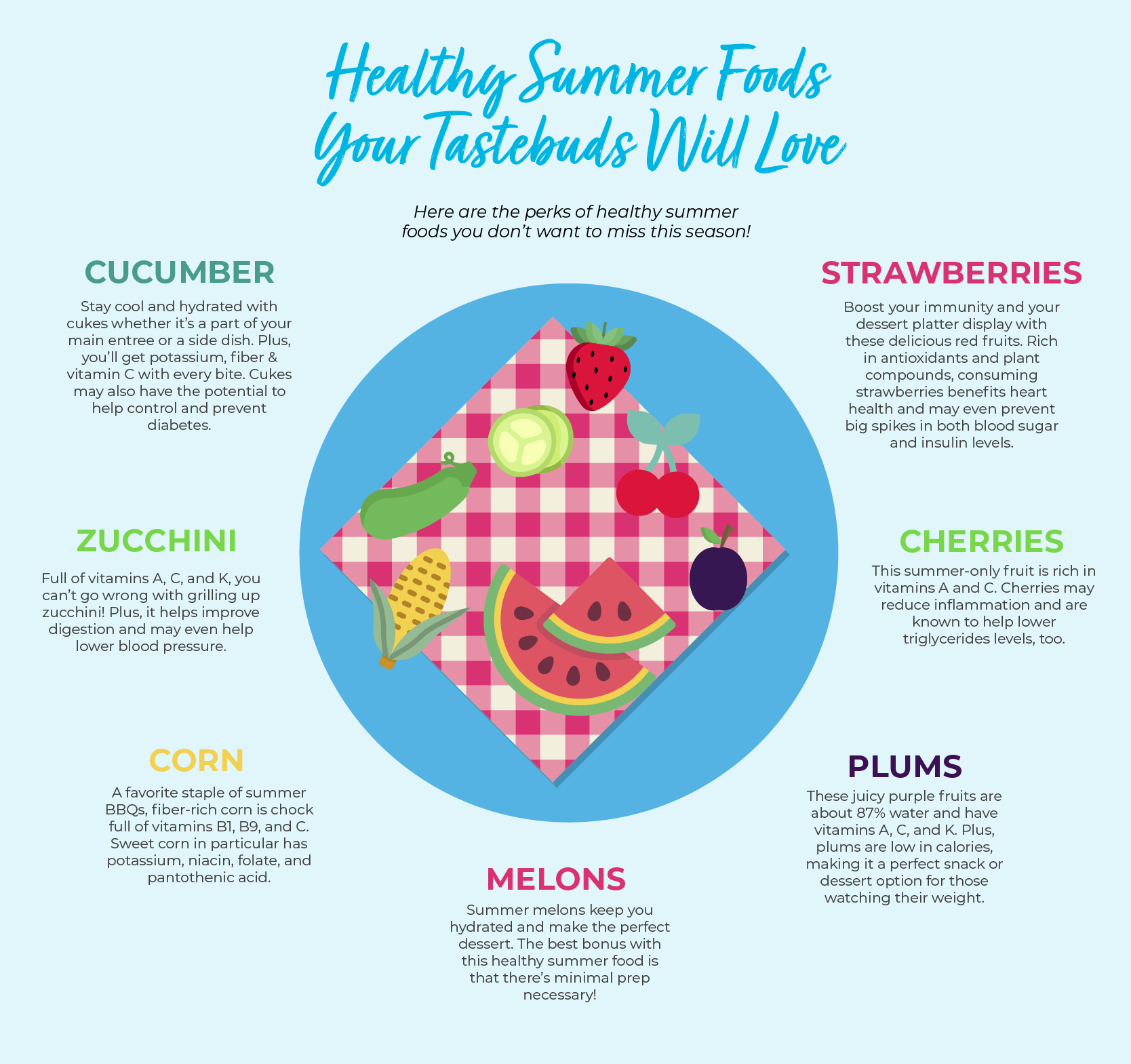
Image Credit: totalwellnesshealth.com
1. Watermelon Is a Summer Classic for a Reason
Few foods feel more summery than watermelon.
It is naturally high in water, making it a refreshing choice on hot days. Water-rich foods can contribute to overall fluid intake, and Harvard notes that fruits and vegetables such as melons, berries, cucumbers and leafy greens provide meaningful amounts of water.
Try watermelon on its own, mixed into a fruit salad or paired with feta and mint for a simple savory-sweet combination.
It can also be a useful snack when you want something refreshing without reaching for a sugary drink.
2. Berries Add Color and Nutrients
Strawberries, blueberries, raspberries and blackberries are easy summer favorites.
They can be added to yogurt, oatmeal, salads or smoothies, but eating them whole is an especially simple option.
Berries also bring fiber and a range of plant compounds to the diet. Harvard’s nutrition guidance recommends eating a variety of colorful fruits and vegetables rather than relying on one particular food.
For breakfast, try berries with plain yogurt and nuts.
For an afternoon snack, keep washed berries in the refrigerator so they are ready to eat.
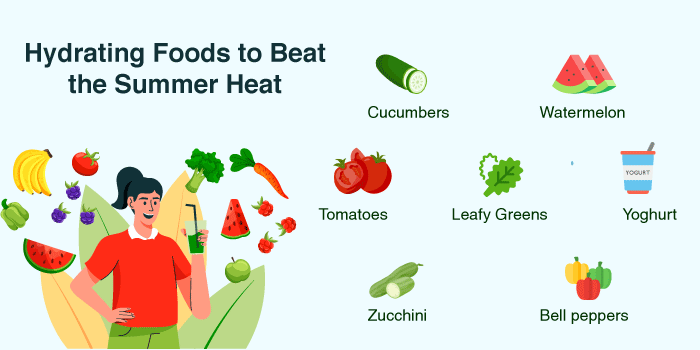
Image Credit: hcghospitals.in
3. Cucumbers Are Perfect for Hot Days
Cucumbers are another naturally water-rich summer food.
They are crisp, refreshing and easy to add to meals without making them feel heavy. Slice them into salads, add them to sandwiches or combine them with yogurt, herbs and lemon for a simple side dish.
Harvard specifically lists cucumbers among foods that contribute to daily water intake.
For an easy summer snack, combine cucumber slices with hummus or a yogurt-based dip.
4. Tomatoes Belong on More Than Just Sandwiches
Summer tomatoes can transform a basic meal.
Fresh tomatoes work beautifully in salads, grain bowls, sandwiches, pasta dishes and homemade salsa. They also provide vitamin C, potassium and carotenoids, including lycopene.
Harvard’s nutrition research review notes that tomatoes and tomato-based foods have been studied for their potential relationship with health, although evidence does not establish that tomatoes alone prevent disease.
A simple tomato, cucumber and avocado salad can become a refreshing side dish or part of a larger meal.
5. Leafy Greens Keep Summer Meals Fresh
Spinach, lettuce, arugula and other leafy greens are easy ways to make meals more colorful.
Instead of building an entire meal around a heavy sauce or refined carbohydrate, use greens as the base of a bowl or salad. Add tomatoes, cucumbers, beans, grilled chicken, fish, tofu or another protein source.
Harvard’s Healthy Eating Plate recommends making about half of a meal vegetables and fruit, with the remaining portions including whole grains and healthy protein sources.
That makes a large summer salad more than just a side dish.
With the right ingredients, it can be a balanced meal.
6. Corn and Summer Vegetables Bring Variety
Corn, zucchini, bell peppers, green beans and summer squash can make summer meals more interesting.
They can be grilled, roasted, sautéed or added to salads and grain bowls.
Harvard’s seasonal food guidance lists corn, green beans, blueberries, watermelon and summer squash among examples of summer produce.
Try grilling zucchini and bell peppers alongside a protein, or combine corn with black beans, tomatoes, lime and herbs for a colorful salad.
The key is variety.
There is no single “best” vegetable.
Eating different colors and types gives your diet a broader nutritional mix.
7. Yogurt Can Be an Easy Summer Breakfast
When temperatures are high, a cold bowl of yogurt can be more appealing than a hot breakfast.
Plain yogurt can be paired with berries, peaches, bananas, nuts and whole-grain oats for a filling meal.
Harvard nutrition experts also include yogurt, blueberries and granola among examples of foods that can fit into a balanced eating pattern.
If buying flavored yogurt, check the nutrition label for added sugars.
You can control sweetness more easily by choosing plain yogurt and adding fresh fruit yourself.
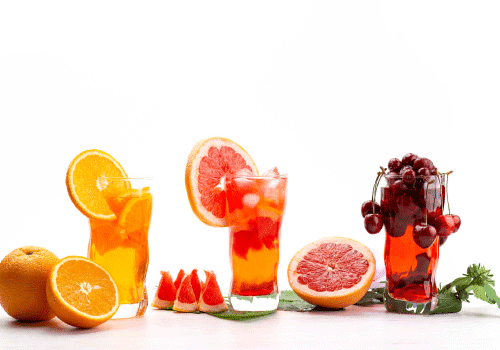
Image Credit: hcghospitals.in
8. Fish Works Well in a Fresh Summer Meal
Fish can be a simple protein option for summer lunches and dinners.
Grilled salmon, tuna, trout or other fish can be paired with vegetables, whole grains and a fresh sauce or lemon-based dressing.
Harvard nutrition expert Eric Rimm describes eating fish several times a week as part of his Mediterranean-style eating pattern.
You do not need to make complicated recipes.
A piece of grilled fish with a tomato-cucumber salad and quinoa can create a satisfying meal with relatively little preparation.
9. Beans and Chickpeas Add Plant-Based Protein
Summer salads do not have to depend entirely on meat for protein.
Chickpeas, black beans, lentils and other legumes can be added to grain bowls, salads and wraps.
They also provide fiber, which can help make meals more satisfying.
Harvard’s summer picnic guidance specifically recommends beans, nuts, seeds, tofu and tempeh as plant-based options that can work well in warm-weather meals.
Try combining chickpeas with cucumber, tomatoes, parsley, lemon and olive oil for an easy lunch.
10. Whole Grains Can Make Light Meals More Filling
Summer eating does not mean eliminating carbohydrates.
Instead, choose quality sources such as brown rice, quinoa, oats, barley and whole-wheat pasta.
Harvard’s Healthy Eating Plate recommends making about one-quarter of a meal whole grains, alongside vegetables, fruits, healthy protein and healthy fats.
A chilled quinoa salad with vegetables and chickpeas can be especially convenient for meal preparation.
It can be prepared ahead of time and stored in the refrigerator for an easy lunch.
Hydration Matters as Much as the Food on Your Plate
Eating well during summer is only part of staying comfortable in the heat.
Drinking enough fluids is essential for regulating body temperature and supporting normal body functions. Harvard notes that roughly 20% of total water intake can come from water-rich foods, including fruits and vegetables.
Water should remain the main beverage for most people.
If plain water feels boring, try adding lemon, lime, cucumber, mint or berries for flavor. Harvard also recommends water over sugary beverages as part of a healthy eating pattern.
Remember that fluid needs can vary depending on factors such as activity, temperature and individual circumstances.
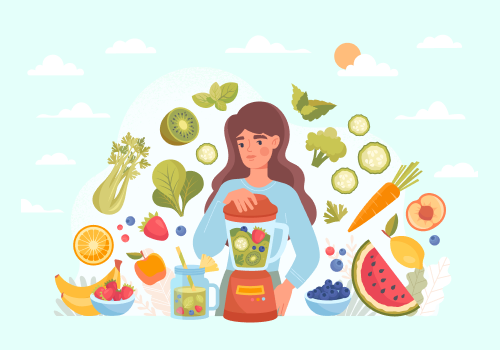
Image Credit: hcghospitals.in
Don’t Forget Summer Food Safety
Fresh food still needs to be handled carefully, particularly during outdoor meals.
The CDC recommends washing fruits and vegetables under running water before eating, cutting or cooking them. Cut or cooked produce should also be refrigerated promptly.
Food safety becomes especially important at picnics and barbecues.
The CDC advises throwing away perishable food that has been left at room temperature for more than two hours, or more than one hour when temperatures are above 90°F.
That means chilled salads, dairy products and other perishable foods should not sit outside indefinitely.
What Does a Healthy Summer Plate Look Like?
You do not need a complicated meal plan to eat well during summer.
Think about building meals around a few simple components:
Half the plate: vegetables and fruit.
About one-quarter: whole grains.
About one-quarter: a healthy protein source.
Then add a source of healthy fat, such as nuts, seeds, avocado or an unsaturated vegetable oil. This general approach is consistent with Harvard’s Healthy Eating Plate guidance.
A meal could be grilled salmon with quinoa, cucumber and tomato salad.
Another could be a chickpea bowl with leafy greens, corn, peppers and avocado.
Breakfast could be plain yogurt with berries, oats and nuts.
The possibilities are almost endless.
Fresh Does Not Have to Mean Expensive
Eating seasonally can also be practical.
You do not need to buy exotic “superfoods” to create nutritious meals. Local fruits and vegetables can provide plenty of variety, and frozen produce can also be a useful option.
Harvard notes that frozen fruits and vegetables can retain their nutrients and may help reduce food waste.
So if fresh berries are expensive or unavailable, frozen berries can still work well in yogurt or smoothies.
The goal is not perfection.
It is building meals that are enjoyable, varied and realistic for your lifestyle.
Final Thoughts
Summer is a natural opportunity to make food feel lighter, brighter and more enjoyable.
Watermelon and cucumbers can add hydration. Berries and tomatoes bring color and nutrients. Leafy greens, beans and whole grains can turn simple ingredients into balanced meals, while fish, yogurt and other protein sources can make those meals more satisfying.
The best summer foods are not necessarily the trendiest ones. They are the foods you can enjoy regularly while creating a varied and balanced diet.
HOLR has the latest lifestyle and wellness insights, and this summer, that can mean keeping things refreshingly simple: more colorful produce, balanced meals, plenty of water and food that actually makes you look forward to eating.
FAQs
What are the best foods to eat in summer?
Watermelon, berries, cucumbers, tomatoes, leafy greens, corn, summer squash, yogurt, beans, fish and whole grains are nutritious choices that can work well in summer meals.
What foods help with hydration in summer?
Watermelon, melon, cucumbers, berries, lettuce and other water-rich fruits and vegetables can contribute to overall fluid intake. Water should still be a primary source of hydration.
What is a healthy summer meal?
A balanced summer meal can include vegetables and fruit, a whole grain, a protein source and a healthy fat. A grilled fish and quinoa bowl with colorful vegetables is one example.
Published by HOLR Magazine
Image Credit: frankrosspharmacy.com