


Why Everyone Is Talking About Magnesium: The Science Behind the Mineral Your Body Needs
July 27,2026: Walk through any pharmacy, health store, or social media feed, and you’ll quickly notice one wellness ingredient appearing everywhere: magnesium.
From TikTok videos claiming it can improve sleep to influencers recommending it for anxiety, muscle recovery, and overall wellness, magnesium has become one of the most talked-about nutrients in recent years. Supplements, powders, gummies, and drinks featuring magnesium are filling store shelves, while millions of people are searching online to learn whether this essential mineral deserves all the attention.
But is magnesium really a miracle nutrient?
Not exactly.
Unlike many wellness trends that come and go, magnesium isn’t a new discovery. Scientists have known for decades that it plays a vital role in hundreds of processes throughout the body. In fact, it’s involved in everything from muscle movement and nerve function to heart rhythm, bone health, and energy production.
The recent surge in interest isn’t because magnesium suddenly became important—it’s because more people are beginning to understand just how much the body depends on it.
HOLR explores why magnesium is trending, what it actually does, and why maintaining healthy magnesium levels is an important part of overall wellness.

Image Credit: futureyouhealth.com
What Is Magnesium?
Magnesium is an essential mineral that your body needs to function properly.
Unlike vitamins that the body can sometimes store for long periods, minerals like magnesium must be obtained regularly through food or, when recommended by a healthcare professional, supplements.
Magnesium supports more than 300 enzymatic reactions throughout the body. These reactions help regulate many of the biological processes that keep us healthy every day.
Among its many roles, magnesium helps support:
- Muscle function
- Nerve communication
- Heart rhythm
- Bone health
- Energy production
- Protein synthesis
- Blood sugar regulation
- Healthy blood pressure
Without adequate magnesium, many of these systems cannot work as efficiently as they should.
That’s why healthcare professionals consider magnesium one of the body’s most important minerals.
Why Is Magnesium Suddenly Trending?
Magnesium has been part of nutrition science for decades, so why is everyone suddenly talking about it?
Several factors have contributed to its popularity.
First, social media has made health information more accessible than ever before.
Wellness creators regularly discuss magnesium in relation to:
- Better sleep
- Stress management
- Muscle recovery
- Exercise performance
- Relaxation
- General wellness
Second, more people are focusing on preventive health rather than simply treating illness.
Consumers are increasingly interested in nutrition, quality sleep, stress reduction, and healthy aging. Magnesium naturally fits into those conversations because it supports so many normal bodily functions.
Finally, growing awareness of nutrient deficiencies has encouraged many people to pay closer attention to their diets and ask whether they’re getting enough essential minerals.
How Magnesium Supports Energy Production
Many people associate magnesium with sleep, but one of its most important jobs happens during the day.
Every cell in your body requires energy to function.
Magnesium helps activate adenosine triphosphate (ATP), the molecule often described as the body’s primary energy source.
Without magnesium, the body cannot efficiently use this energy.
This doesn’t mean taking magnesium will suddenly make you feel energetic.
Instead, it supports the normal cellular processes that allow the body to produce and use energy effectively.
Combined with good nutrition, adequate sleep, and regular physical activity, magnesium contributes to overall vitality.
Magnesium and Muscle Function
Muscles rely on a delicate balance of minerals to contract and relax properly.
Magnesium works alongside calcium to support normal muscle movement.
While calcium helps muscles contract, magnesium helps them relax afterward.
Because of this relationship, magnesium is often discussed in connection with exercise recovery and muscle cramps.
However, muscle cramps can have many causes, including dehydration, overuse, certain medical conditions, or other nutrient imbalances.
Research continues to explore magnesium’s role in muscle health, but maintaining adequate magnesium intake remains an important part of supporting normal muscle function.

Image Credit: futureyouhealth.com
Can Magnesium Help You Sleep?
Perhaps no claim has attracted more attention than magnesium’s relationship with sleep.
Many people take magnesium supplements hoping for better rest.
Scientists continue studying this connection, and while research is ongoing, magnesium does play a role in normal nervous system function.
It also helps regulate processes involved in relaxation.
Some studies suggest that people with low magnesium levels may experience poorer sleep quality, although magnesium is not a cure for insomnia.
Healthy sleep depends on many factors, including:
- Stress levels
- Sleep habits
- Caffeine intake
- Screen time
- Overall health
- Mental well-being
Magnesium supports these systems, but it’s only one piece of the larger sleep puzzle.
Magnesium and Stress
One reason magnesium is frequently linked with stress is because the body uses magnesium in many processes involved in nervous system function.
Chronic stress may also influence how the body uses certain nutrients.
While magnesium isn’t a treatment for anxiety or chronic stress disorders, maintaining healthy magnesium levels supports normal nerve and muscle function, which are essential components of overall well-being.
Experts emphasize that managing stress usually requires a combination of healthy habits, including regular exercise, quality sleep, balanced nutrition, social connection, and relaxation techniques.
Can You Get Enough Magnesium from Food?
For many healthy adults, the best way to obtain magnesium is through a balanced diet.
Magnesium is naturally found in a wide variety of foods, making it possible for most people to meet their daily needs without relying on supplements.
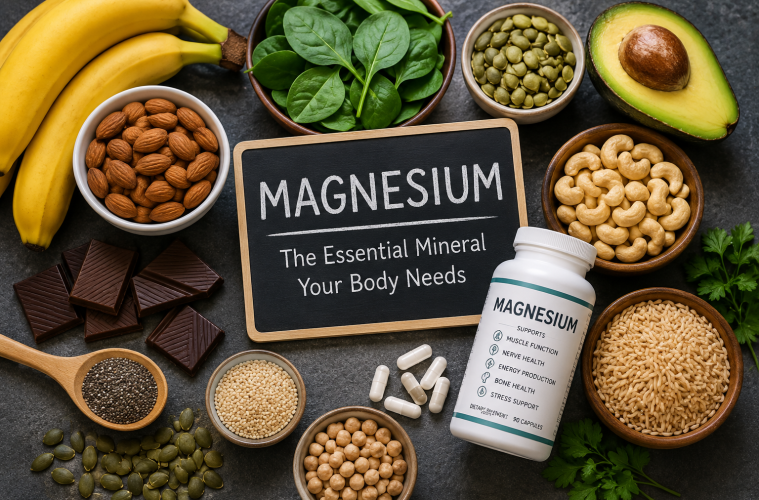
Some of the richest dietary sources include:
- Spinach
- Pumpkin seeds
- Almonds
- Cashews
- Black beans
- Lentils
- Avocados
- Bananas
- Dark chocolate
- Whole grains
- Brown rice
- Oats
- Tofu
- Yogurt
- Salmon
Eating a variety of nutrient-rich foods not only provides magnesium but also supplies other vitamins, minerals, fiber, and antioxidants that work together to support overall health.
Rather than focusing on a single “superfood,” nutrition experts generally recommend building balanced meals that include plenty of vegetables, fruits, lean proteins, healthy fats, and whole grains.
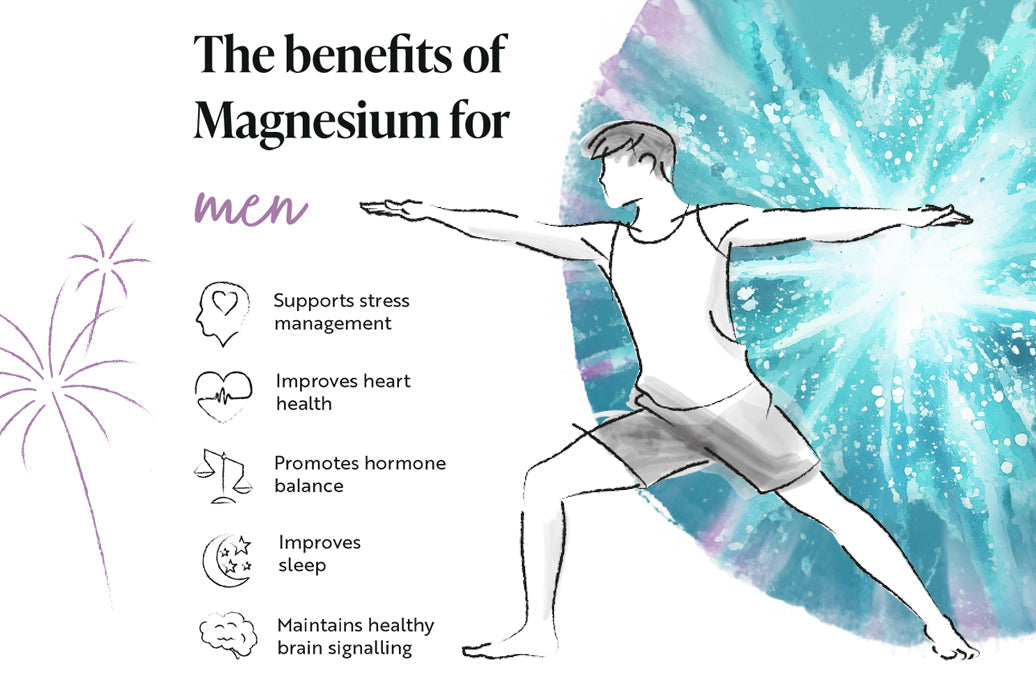
Image Credit: viridian-nutrition.comgsdf
Should You Take a Magnesium Supplement?
The growing popularity of magnesium has led to an explosion of supplements, powders, gummies, and drinks promising everything from deeper sleep to reduced stress.
However, supplements aren’t necessary for everyone.
For many people, a healthy, balanced diet provides enough magnesium to support normal body functions.
Certain individuals, however, may have higher magnesium needs or find it more difficult to get enough through food alone. These include people with certain medical conditions, digestive disorders, or those taking medications that affect magnesium levels.
Because magnesium supplements come in different forms—such as magnesium glycinate, citrate, oxide, and chloride—they may be absorbed differently and used for different clinical purposes.
Choosing a supplement should never be based solely on social media trends.
If you’re considering taking magnesium regularly, it’s a good idea to speak with a healthcare provider or registered dietitian. They can help determine whether supplementation is appropriate and recommend the form and dosage that best suits your individual needs.
Can You Have Too Much Magnesium?
Like many nutrients, more isn’t always better.
Magnesium obtained from food is generally considered safe because the kidneys remove excess amounts efficiently in healthy individuals.
Supplements, however, are different.
Taking excessive amounts of supplemental magnesium may cause:
- Diarrhea
- Nausea
- Stomach cramps
- Vomiting
In rare cases, extremely high doses—particularly in people with kidney disease—can lead to more serious health complications.
That’s why it’s important to follow dosage recommendations and avoid assuming that larger amounts will automatically provide greater benefits.
Wellness is about balance, not excess.
The Truth About Magnesium Trends on Social Media
One reason magnesium has become such a hot topic is that social media often presents it as a solution for almost everything.
Videos frequently claim that magnesium can instantly:
- Improve sleep
- Eliminate anxiety
- Boost energy
- Cure muscle cramps
- Reduce stress
- Improve mood
- Prevent headaches
While magnesium plays an important role in many normal body functions, these claims can sometimes oversimplify the science.
Health is rarely influenced by one nutrient alone.
Sleep quality depends on stress levels, bedtime habits, caffeine intake, physical activity, and underlying health conditions.
Energy is affected by nutrition, exercise, sleep, iron levels, thyroid health, and many other factors.
Similarly, muscle function, heart health, and emotional well-being all involve multiple systems working together.
Magnesium supports these processes—but it isn’t a miracle cure.
Approaching wellness trends with curiosity rather than unrealistic expectations can help consumers make more informed decisions.
Who May Be at Risk of Low Magnesium?
Although severe magnesium deficiency is relatively uncommon in otherwise healthy people, certain groups may be more likely to have lower levels.
Potential risk factors include:
- Gastrointestinal conditions that affect nutrient absorption.
- Type 2 diabetes.
- Older age.
- Long-term alcohol misuse.
- Certain medications, including some diuretics and proton pump inhibitors.
- Diets consistently low in magnesium-rich foods.
Possible symptoms associated with low magnesium may include muscle cramps, fatigue, weakness, loss of appetite, or abnormal heart rhythms, although these symptoms can also be caused by many other medical conditions.
Anyone experiencing ongoing symptoms should seek medical evaluation rather than self-diagnosing based on internet advice.
Magnesium Is One Piece of Overall Wellness
Perhaps the most important takeaway is that magnesium should be viewed as one part of a much bigger picture.
No supplement can replace the foundations of good health.
Healthy habits still matter most:
- Eating a nutritious diet
- Staying physically active
- Managing stress
- Getting enough sleep
- Staying hydrated
- Avoiding smoking
- Limiting excessive alcohol consumption
- Attending regular health check-ups
Magnesium works alongside these habits—not instead of them.
When combined with a healthy lifestyle, adequate magnesium intake helps support the body’s normal functions and contributes to long-term well-being.
Final Thoughts
Magnesium may be trending across social media, but its importance isn’t new.
For decades, scientists have recognized it as one of the body’s most essential minerals, supporting hundreds of biological processes that influence everything from muscle function and energy production to heart health and nervous system activity.
The recent surge in popularity reflects a growing interest in preventive health and overall wellness rather than a sudden scientific discovery.
While magnesium isn’t a miracle nutrient, it plays an important role in helping the body function at its best.
For most people, eating a varied, balanced diet remains the most effective way to maintain healthy magnesium levels. Supplements may be helpful in certain situations, but they should be used thoughtfully and, when appropriate, under the guidance of a healthcare professional.
As with many wellness trends, the biggest lesson isn’t about chasing a single ingredient.
It’s about understanding how small, consistent habits—including good nutrition—can support your health for years to come.
FAQs
Why is magnesium trending right now?
Magnesium has gained popularity because of growing interest in wellness, sleep, stress management, and preventive health. Social media has also increased awareness of its many roles in supporting normal body functions.
What does magnesium do in the body?
Magnesium supports more than 300 enzymatic reactions, helping regulate muscle function, nerve communication, energy production, heart rhythm, bone health, blood sugar regulation, and normal blood pressure.
Can magnesium help with sleep?
Magnesium supports normal nervous system function and relaxation, which may contribute to healthy sleep. However, good sleep also depends on factors such as stress management, sleep habits, and overall health.
What are the biggest stories trending online today? Read the latest here
Published by HOLR Magazine
Image Credit: AI