



Smart watering, proper mowing, and simple lawn-care adjustments can help grass handle intense summer heat while reducing unnecessary water use.
Start by Rethinking How You Water
August 11, 2026 – Summer heat can make lawn care feel like an endless battle between keeping grass green and keeping water bills under control. But watering more frequently isn’t necessarily the best solution.
When temperatures climb, lawns can become stressed, especially during extended periods of hot, dry weather. The instinct may be to turn on the sprinkler more often, but shallow and frequent watering can encourage grass to develop a less resilient root system.
A better approach is to water deeply and less frequently when your lawn actually needs it. This encourages moisture to move farther into the soil, allowing roots to grow deeper and giving grass better access to available water.
The goal isn’t necessarily to maintain a perfectly green lawn throughout the hottest part of summer. A healthy lawn can tolerate some temporary stress, and learning to recognize when watering is genuinely necessary can prevent significant amounts of water from being wasted.
Water at the Right Time of Day
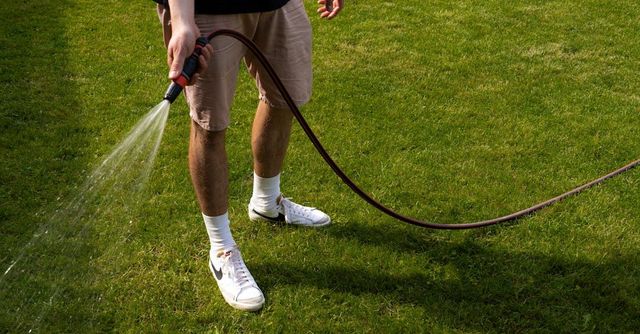
Timing can make a surprisingly large difference in how much water actually reaches your lawn. Watering during the hottest part of the day can result in more evaporation before moisture has a chance to penetrate the soil.
Early morning is generally the most efficient time to water. Cooler temperatures and lower evaporation rates give the water more opportunity to soak into the ground and reach the grass’s root zone.
If morning watering isn’t practical, evening can be another option, although excessively wet grass overnight can create conditions that encourage certain lawn diseases. The important point is to avoid making midday watering your routine whenever possible.
A timer or smart irrigation controller can make this easier, particularly if you tend to forget watering schedules. Automated systems can also help prevent accidental overwatering.
Give Your Lawn a Simple Moisture Test
Before turning on the sprinkler, check whether your lawn actually needs water. One easy method is to walk across the grass and observe how quickly the blades recover.
If footprints remain visible after you walk across the lawn, the grass may be showing signs of water stress. You can also push a screwdriver or similar tool into the soil to check how deeply moisture has penetrated.
Checking the soil is particularly useful because the surface can appear dry while moisture remains available farther down. Conversely, a lawn can look green while the soil is beginning to dry out underneath.
Learning to assess your lawn before watering helps avoid following an arbitrary schedule when the grass may not actually need additional moisture.
Mow Higher During Hot Weather
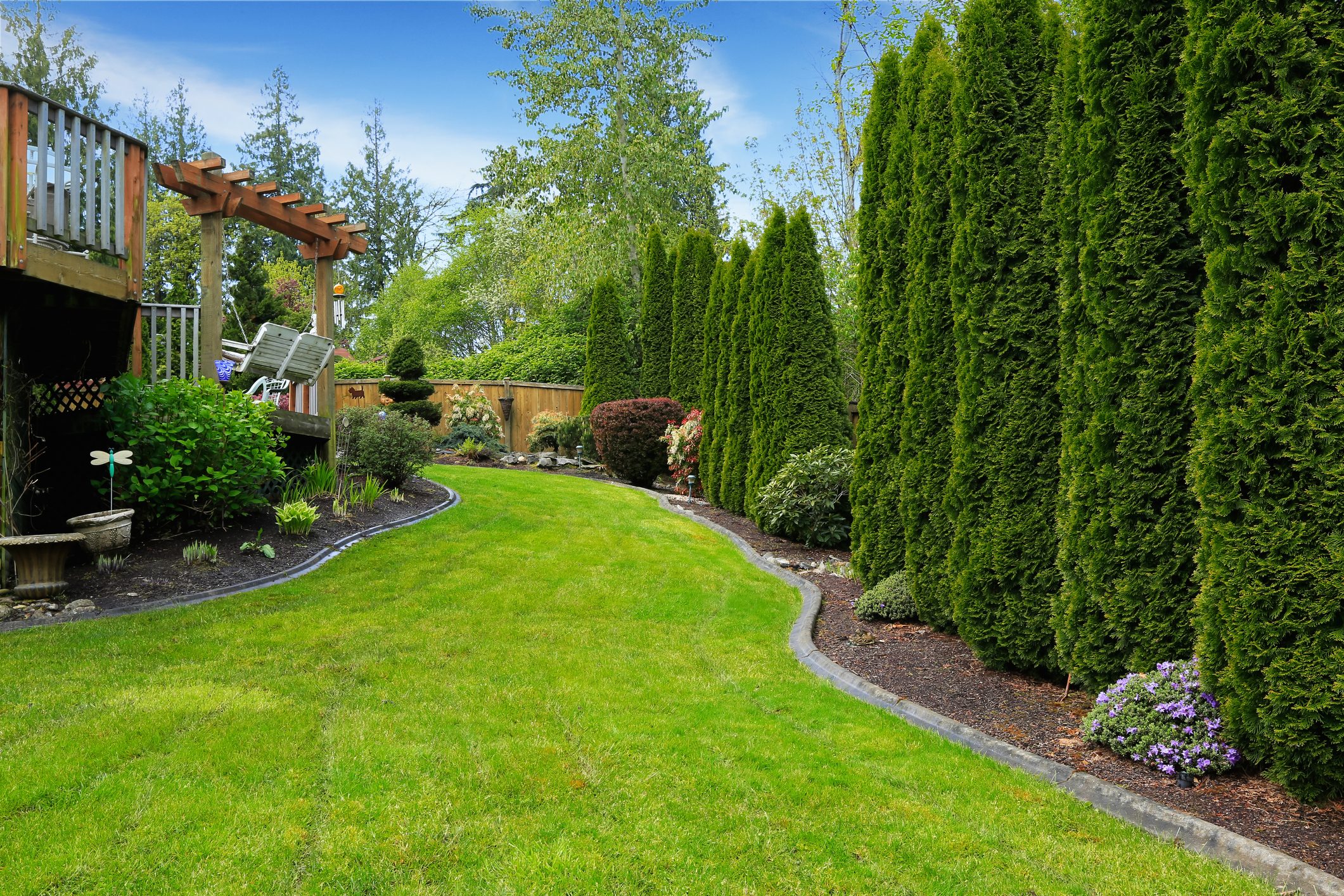
How you mow can also affect how well your lawn handles summer conditions. Cutting grass extremely short may make the lawn look neat, but it can expose the soil to more direct sunlight and increase moisture loss.
Allowing grass to grow somewhat taller provides more shade for the soil. Taller blades can also help protect the grass’s root system from some of the stresses associated with intense heat.
The ideal mowing height depends on the type of grass growing in your yard, so homeowners should check the recommended height for their particular variety rather than following a single measurement for every lawn.
A useful rule is to avoid removing too much of the grass blade at once. If the lawn has become unusually tall, gradually bring it back to the desired height rather than cutting it dramatically in one session.
Keep Your Mower Blades Sharp
Mowing height isn’t the only consideration. The condition of your mower blade can also affect the lawn.
A dull blade can tear or shred grass rather than making clean cuts. Damaged grass may have a rougher appearance and can be more vulnerable to stress.
Keeping mower blades sharp and mowing when the grass is reasonably dry can help create cleaner cuts. It also makes the mowing process easier on both the lawn and the equipment.
During periods of extreme heat, avoid mowing more often than necessary. Your lawn doesn’t need to look freshly trimmed every few days if doing so means repeatedly stressing already heat-affected grass.
Let Grass Clippings Stay on the Lawn
There is another simple way to help conserve moisture without adding another product or irrigation system: leave suitable grass clippings on the lawn after mowing.
When finely cut, grass clippings can break down and return nutrients to the soil. They can also provide a small amount of organic material that helps support the lawn.
This doesn’t mean leaving thick piles of wet clippings across the yard. If the mower is producing large clumps, adjust the mowing routine or remove the excess. But under normal conditions, there is generally no need to collect every clipping simply to keep the lawn looking spotless.
Make Sure Your Soil Can Hold Onto Moisture
Watering efficiently isn’t only about how much water you apply. Your soil also plays a major role in determining whether that moisture remains available to the grass.
Compacted soil can make it difficult for water to penetrate beyond the surface. Instead of soaking into the root zone, water may run across the lawn or collect in certain areas. Aerating compacted areas can help improve the movement of water, air, and nutrients through the soil.
Adding organic matter can also improve soil structure over time. Compost and other suitable amendments can help certain soils retain moisture while improving drainage, depending on the existing soil conditions.
For homeowners dealing with particularly dry or compacted lawns, improving the soil can therefore be a more sustainable long-term solution than simply increasing watering.
Don’t Try to Keep Every Blade Perfectly Green
One of the easiest ways to waste water is trying to maintain a perfectly green lawn throughout a period of extreme heat.
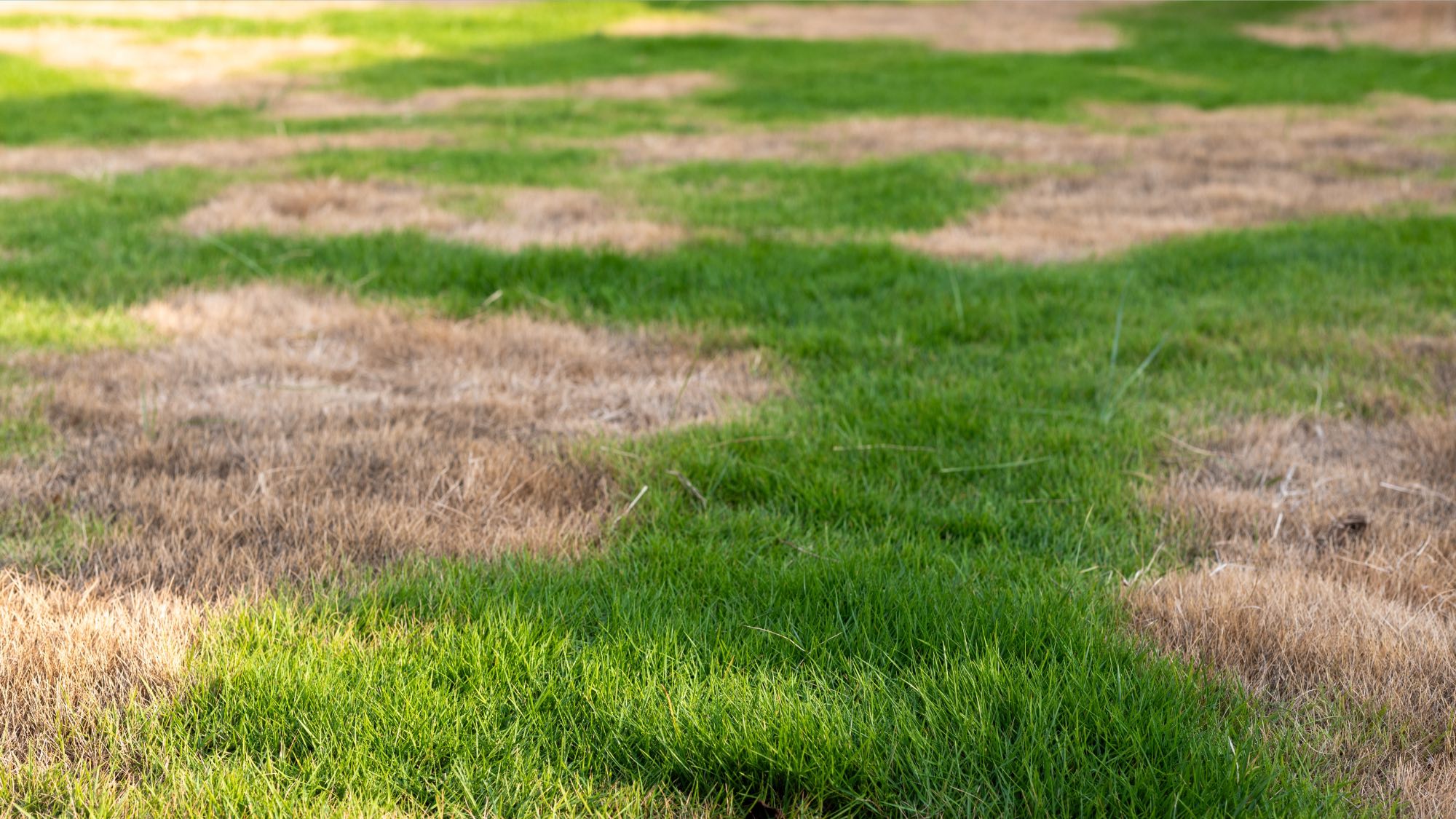
Some grass varieties naturally slow their growth or enter dormancy when conditions become hot and dry. A lawn that turns somewhat brown during a particularly stressful period isn’t necessarily dead.
Rather than immediately increasing irrigation, check whether the grass is dormant and whether the crowns and roots remain healthy. Once temperatures become more moderate and sufficient moisture returns, many grass varieties can recover.
Accepting some seasonal color changes can significantly reduce the amount of water needed to maintain a lawn.
Consider Where Your Lawn Really Needs Water
Not every part of your yard necessarily requires the same amount of irrigation. Areas exposed to full sunlight may dry faster than shaded sections, while slopes can lose water through runoff more quickly than level ground.
Take a few minutes to observe your lawn during hot weather. Look for areas that consistently dry out first and places where water appears to be pooling or running away.
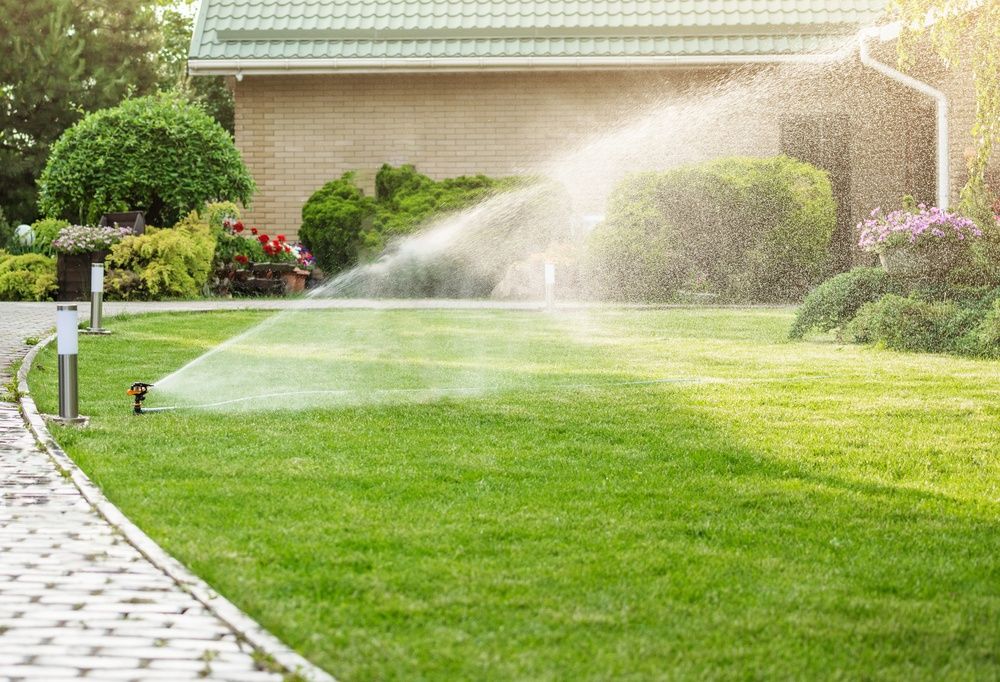
Adjusting irrigation based on these conditions can be much more efficient than treating the entire lawn identically. Sprinkler heads should also be positioned so they water grass rather than sidewalks, driveways, patios, or other hard surfaces.
Final Thoughts
Keeping a lawn healthy through summer doesn’t have to mean watering it constantly. Deep, well-timed irrigation, sensible mowing, healthier soil, and accepting some temporary heat stress can all help grass cope with challenging conditions while reducing unnecessary water use.
The most effective lawn-care routine is often the simplest one. Pay attention to your grass and soil, water when conditions actually call for it, and avoid treating a perfectly green lawn as the only measure of success. With a few small changes, homeowners can maintain a healthier yard while being considerably more thoughtful about water consumption.
FAQs
How often should you water a lawn during summer?
There isn’t one schedule that works for every lawn. Check the soil and grass for signs of moisture stress and water deeply when the lawn actually needs it rather than automatically watering every day.
What is the best time to water grass?
Early morning is generally a good time because cooler temperatures can reduce evaporation and allow water to reach the soil before the heat of the day.
Should you mow grass shorter during summer?
Usually, cutting grass excessively short isn’t helpful during intense heat. Keeping it at the appropriate height for its variety can help shade the soil and reduce moisture loss.
Should grass clippings be removed after mowing?
When clippings are finely distributed across the lawn, they can generally be left in place. They can break down and return nutrients and organic matter to the soil.
Can a brown lawn recover after summer heat?
Many grass varieties can enter dormancy during hot, dry conditions and recover when temperatures moderate and adequate moisture returns. However, severely damaged or dead grass may require additional care.
Published by HOLR Magazine