


By Grizzly Insulation CO
Denver regularly swings 40 degrees between a cold morning and a mild afternoon, sometimes more. Most homeowners assume that kind of swing is just uncomfortable. It’s actually the condition that exposes a measurable difference between two common insulation materials, and it has nothing to do with which one is “better” in general.
R-value is a number that shows how well a material resists heat moving through it. Higher means better blown-in insulation in Denver. What most people don’t know is that this number isn’t always fixed; it can actually change depending on how cold it gets.
The Actual Difference: How Each Material Handles Moving Air in Denver
Blown-in fiberglass and blown-in cellulose are installed the same way, blown loose into an attic space. But they behave very differently once temperatures drop, and the reason comes down to density, not the raw insulating ability of the fibers themselves.
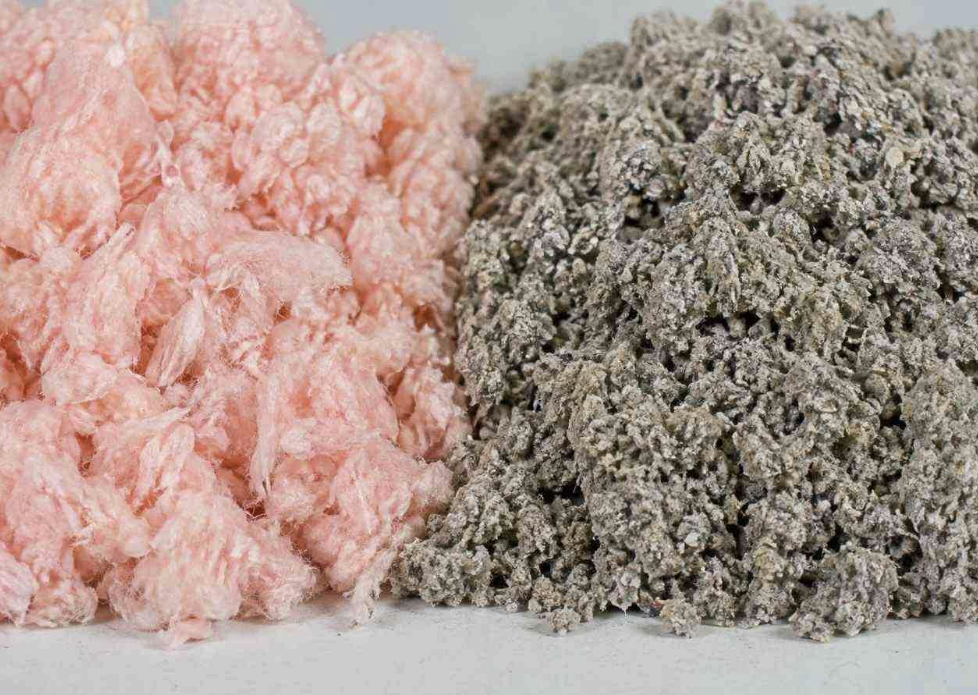
Why Blown-In Fiberglass Loses R-Value in Cold Conditions
Loose-fill fiberglass is a low-density material, and air can move through it. When there’s a large enough temperature difference between your warm attic floor and the cold air above it, that air starts to move within the fiberglass itself, forming small convection loops. Those loops actively carry heat away, working against the very insulation that’s supposed to be stopping it.
Research from the University of Illinois and later confirmed by testing referenced by Oak Ridge National Laboratory found that loose-fill fiberglass lost 35 to 50 percent of its resistance to heat flow once the temperature difference reached the 70 to 76 degree range, comparing a 70-degree living space to a cold attic. The drop starts even earlier than that, once the temperature difference hits around 32 degrees.
Why Cellulose Insulation Resists the Same R-Value Loss in Denver
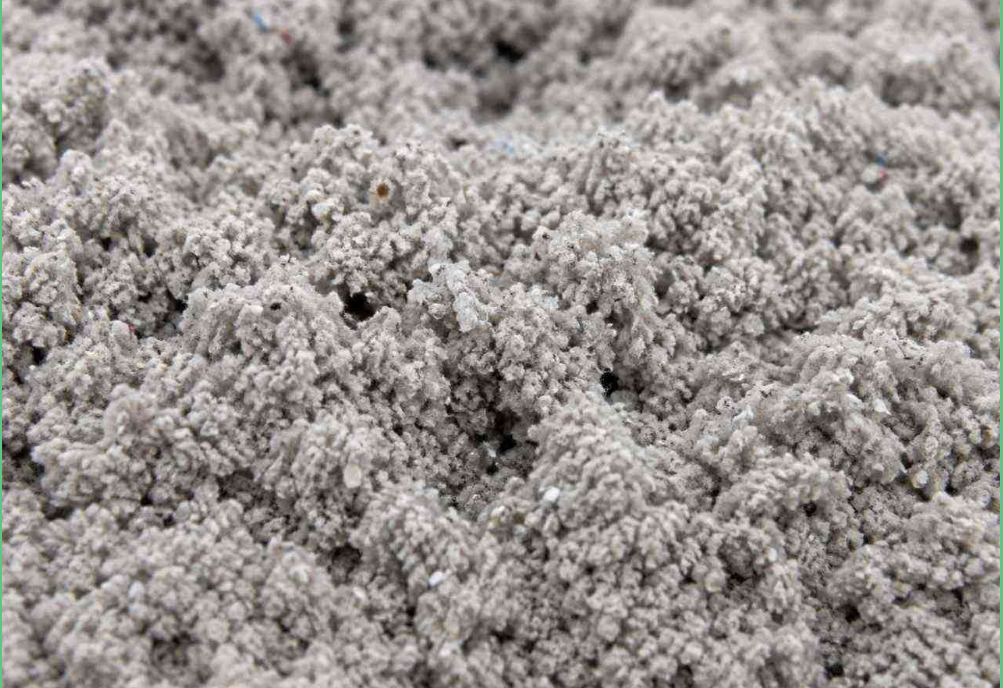
Cellulose is denser and packs more tightly into the same space. That density is what stops the convective loops from forming in the first place. Subjected to the exact same cold-weather testing, cellulose didn’t show the same collapse in performance. It’s not that cellulose is a fundamentally superior material, it’s that its density physically blocks the mechanism that causes fiberglass to underperform when it gets cold.
Why This Matters More in Denver Than in Milder Climates
Here’s the part that’s specific to a climate like Denver’s, not just cold climates in general. The R-value loss in fiberglass doesn’t require record-breaking cold. It starts once the gap between your indoor temperature and your attic temperature crosses roughly 32 degrees. In a city with 40-degree daily swings, an attic can cross that threshold repeatedly through a single winter, not just during the coldest week of the year. A milder climate that rarely sees that big a swing might only expose fiberglass to this weak point a handful of times each winter. Denver can cross it on a regular basis, which means the R-value loss isn’t a rare event here, it’s closer to routine.
Cellulose Insulation’s Problems in Denver: Settling Over Time
Cellulose settles over time, which is a well-documented characteristic, not a defect specific to bad installation. Manufacturers account for this by publishing coverage charts based on settled density, meaning a properly installed cellulose attic is intentionally over-filled at the start to reach the target R-value once it settles. An installer who doesn’t account for this can leave you with less coverage than you paid for a few years down the line. It’s worth planning around, just a different consideration than the cold-weather issue fiberglass faces.
When Grizzly Insulation CO, your trusted insulation contractor, advises a Denver homeowner between these two materials, the daily swing itself is part of the conversation, not just the coldest night of the year. For attics where winter performance matters most, that convective loss in fiberglass is a factor we account for directly. For cellulose installations, we install to settled-density coverage from the start, not the fresh, fluffed depth right after the blower shuts off, so the number on your invoice still holds up in five years, on every attic insulation service in Denver our team at Grizzly Insulation CO completes.
Conclusion
Fiberglass and cellulose aren’t simply better or worse than each other. They fail in different ways under different conditions. Fiberglass’s weak point is exactly the kind of temperature swing Denver sees often; cellulose’s weak point is a slow settling process that’s predictable and can be designed around. Knowing which weak point actually applies to your winters is a more useful question than which material has the higher R-value on the bag.
Published by HOLR Magazine.