


BTS’ Full-Group Reunion Is More Than a Comeback — It Signals a Global Reset
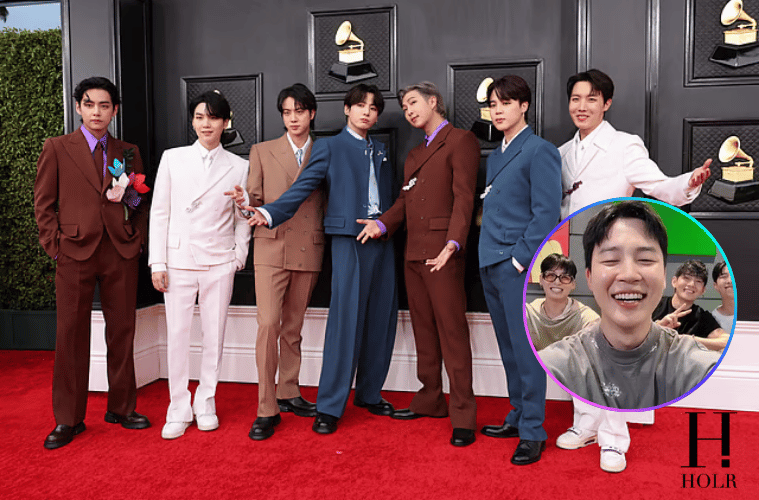
March 21, 2026- After nearly four years apart, BTS has reunited as a full seven-member group for their first complete live performance—an event that goes far beyond a typical comeback. For fans and the music industry alike, this moment represents not just a reunion, but a reset of one of the most influential global acts of the modern era.
[#오늘의방탄]
260321 BTS THE COMEBACK LIVE | ARIRANG#BTS #방탄소년단 #BTS_ARIRANG pic.twitter.com/T9XWNmD6xs— BTS_official (@bts_bighit) March 21, 2026
A Return Years in the Making
The group, consisting of RM, Jin, Suga, J-Hope, Jimin, V, and Jungkook, had been on a staggered hiatus as members fulfilled mandatory military service commitments in South Korea. During this period, each member pursued solo projects, maintaining individual visibility while the group’s collective presence remained paused.
Their reunion marks the first time since 2022 that all seven members have shared a stage together, making the performance both rare and highly anticipated.
Why This Reunion Feels Different
Unlike standard music reunions, BTS’ return carries a unique weight. Over the past decade, the group has evolved from a K-pop act into a global cultural force, influencing not just music, but fashion, social conversations, and digital fan engagement.
I MISS THEIR LAUGHS 😭💜 pic.twitter.com/MuN29DdnHS
— BTS Charts News (@btschartsxdaily) July 1, 2025
Their absence created a noticeable gap in the industry:
- Streaming platforms saw shifts in global chart dominance
- K-pop groups expanded internationally, but none replicated BTS’ scale
- Fan communities remained active, but without a central group focus
The reunion, therefore, is not simply about returning—it is about reclaiming a position at the center of global pop culture.
The Performance: Emotion Meets Precision
Reports from the event describe a performance that balanced emotional resonance with the polished execution BTS is known for.
forgot how hard it is to capture jungkook you blink and he’s gone pic.twitter.com/KW4xRGUx1q
— 𝓪⁷ (@JlNSONYEONDAN) March 21, 2026
Key highlights included:
- A synchronized opening that emphasized unity
- Individual moments allowing each member to reconnect with fans
- A closing segment that reflected on their time apart
Audience reactions suggest that the atmosphere extended beyond excitement, with many fans describing the moment as “historic” and “emotional.”
A Strategic Return, Not Just a Celebration
What makes this reunion particularly significant is its timing.
The global music industry in 2026 is more competitive than ever, with streaming platforms, short-form content, and algorithm-driven discovery reshaping how artists maintain relevance.
Image : @bts_bighit
BTS’ return appears carefully structured:
- A high-impact live performance to reestablish presence
- Coordinated global coverage to maximize visibility
- Strong fan mobilization through social platforms
This approach ensures that the reunion functions not just as a nostalgic moment, but as a strategic re-entry into a transformed industry landscape.
The Power of the BTS Fan Ecosystem
One of the defining factors behind BTS’ sustained success has been their fanbase, known as ARMY.
During the group’s hiatus:
- Fans continued streaming solo projects
- Social media engagement remained high
- Global communities stayed connected
The reunion activates this existing network at full scale. Within hours, clips, reactions, and discussions spread across platforms, amplifying the event far beyond the physical venue.
Ot7 are back on stage together🥺#BTSCOMEBACK2026 #BTS_ARIRANG pic.twitter.com/eWs7pjI09t
— sri⁷ | 2⊙/⊝3/2⊜26♥️ (@Sristi166_) March 21, 2026
We were always here, waiting for them 💜
— come back (@BtjwjS78) March 21, 2026
This dynamic highlights a key advantage BTS holds:
their audience is not just large—it is organized, engaged, and globally distributed.
What This Means for K-Pop and Global Music
BTS’ return is likely to have ripple effects across the industry.

Image: @bts_bighit
For K-pop:
- It reintroduces its most globally dominant group
- Raises expectations for international reach
- Intensifies competition among top-tier acts
For global music:
- It reinforces the importance of non-Western artists in mainstream markets
- Demonstrates the power of fan-driven promotion
- Challenges traditional release and marketing strategies
In many ways, BTS’ reunion could reshape industry dynamics once again.
A Different Angle: Continuity Over Comeback
While the narrative is framed as a “comeback,” the reality is more nuanced.
BTS never fully disappeared. Through solo work, brand presence, and fan engagement, the group maintained continuity even during its hiatus.
This makes the reunion less about returning from absence and more about reconsolidating identity—bringing individual growth back into a unified group form.
Conclusion
BTS reuniting as seven for their first full performance in nearly four years is a defining moment, not just for fans, but for the global music industry. It represents the convergence of time, strategy, and cultural influence.
More than a reunion, it is a reminder of the group’s ability to shape trends, mobilize audiences, and redefine what global stardom looks like in the digital age.
Published by HOLR Magazine