



Canada Defeats South Africa to Reach the World Cup Last 16 in Historic Victory
June 28, 2026: Canadian soccer has experienced memorable moments over the past decade, but few compare to what unfolded at SoFi Stadium in Los Angeles on Sunday evening. After more than 90 minutes of tension, patience, and relentless pressure, Stephen Eustaquio produced the strike that will be remembered for generations, sending Canada into the FIFA World Cup Round of 16 for the first time in the nation’s history.
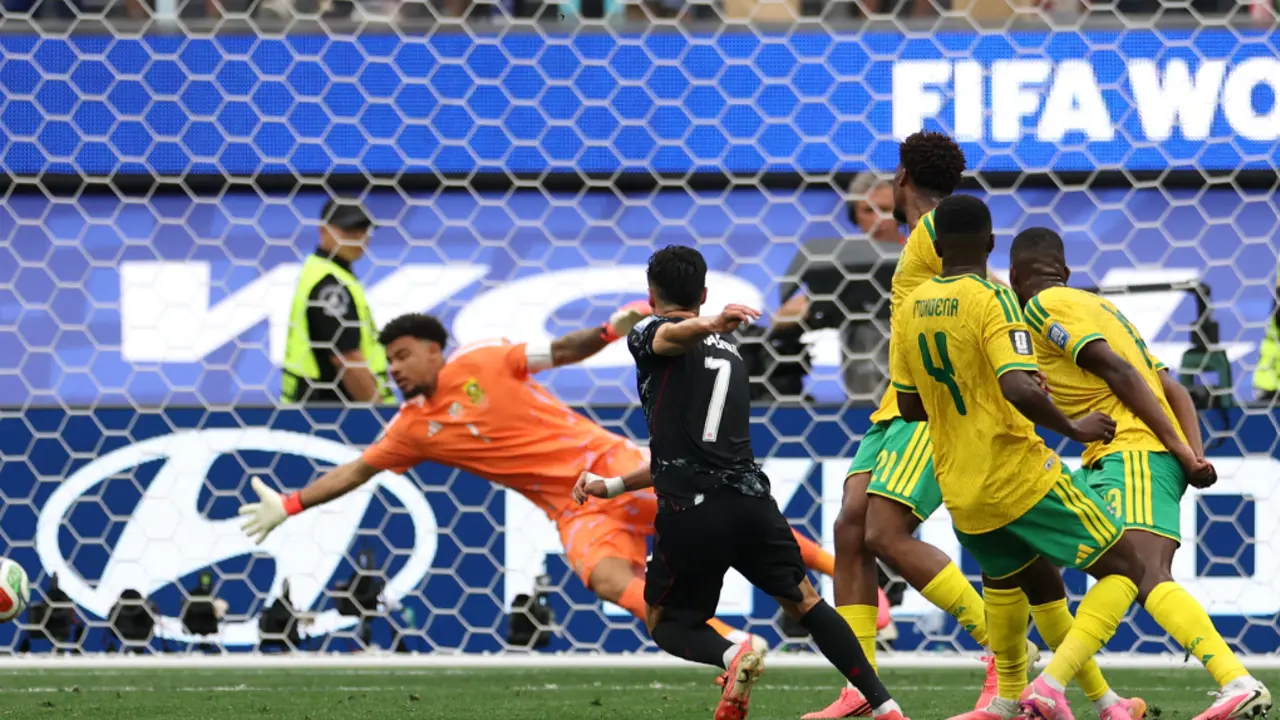
Picture: @FIFAcom/X
The scoreboard read just 1-0 when the final whistle sounded, but the result tells only a fraction of the story. This wasn’t simply about one goal or one victory. It was about years of investment in Canadian soccer, a new generation of players refusing to settle for merely participating on the world’s biggest stage, and a national team proving it belongs among football’s rising powers.
View this post on Instagram
For head coach Jesse Marsch, the victory represented another significant milestone in a project centered on changing Canada’s mentality. For supporters across the country, it became one of the defining sporting moments in modern Canadian history. And for Stephen Eustaquio, whose personal journey has included tremendous heartbreak over the past two years, the decisive goal carried an emotional significance that extended well beyond football itself.
A Historic Night Before The Opening Whistle
Even before kickoff, the occasion carried enormous weight.
Neither Canada nor South Africa had ever won a FIFA World Cup knockout match. Simply reaching this stage represented progress for both nations, but only one team would continue its historic journey.
View this post on Instagram
Canada entered the match carrying both excitement and pressure. As one of the tournament’s co-hosts, expectations had risen dramatically after years of growth within the national program. The emergence of players competing in Europe’s top leagues had transformed outside perceptions, while victories earlier in the tournament suggested this Canadian squad possessed more depth and confidence than any previous generation.
Still, questions remained.
Could Canada handle the pressure of a knockout game?
Would their attacking approach hold up against a disciplined defensive opponent?
And could Jesse Marsch guide his side through the emotional intensity that accompanies single-elimination football?
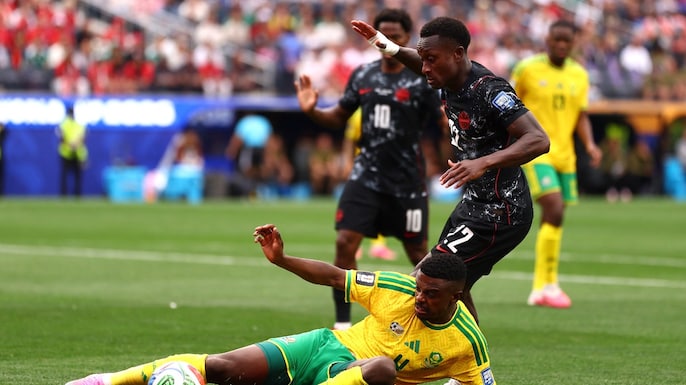
India Today
South Africa arrived with its own compelling story. Bafana Bafana had exceeded expectations simply by reaching the knockout stage and had earned respect through disciplined defending, intelligent organization, and unwavering resilience. Coach Hugo Broos built a side that rarely panicked without possession and believed opportunities would eventually appear through patience rather than reckless attacking.
Jesse Marsch’s Tactical Plan Was About More Than Possession
From the opening whistle, Canada’s intentions became clear.
Rather than forcing direct attacks, Marsch encouraged his players to remain composed, circulate possession, and gradually stretch South Africa’s defensive structure.
It wasn’t flashy football.
Instead, it was calculated.

Image: IG/fifaworldcup
Canada consistently attempted to overload the wide areas, allowing their full-backs to advance while midfielders rotated positions to create passing lanes between South Africa’s compact defensive blocks.

Image: IG/fifaworldcup
Stephen Eustaquio quickly became the heartbeat of those movements.
Every meaningful Canadian attack seemed to flow through him.
Whether switching play with long diagonal passes or receiving the ball under pressure before calmly recycling possession, Eustaquio dictated Canada’s rhythm throughout much of the contest.
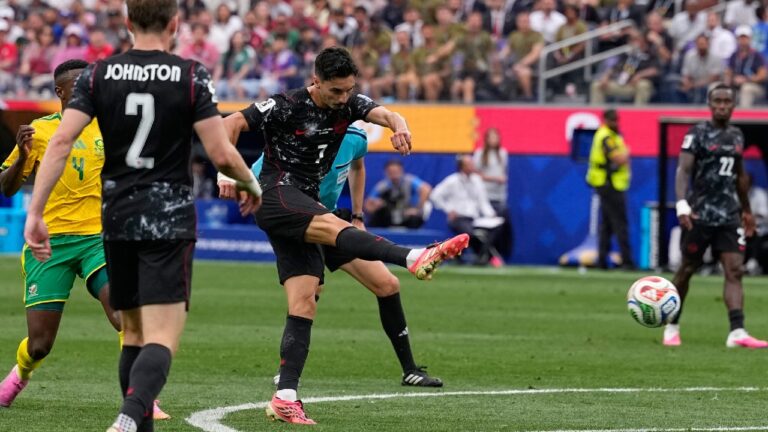
Gregory Bull/AP
Jonathan David worked tirelessly between defenders, dragging markers out of position, while Tajon Buchanan repeatedly tested South Africa’s back line with pace and direct running.

TSN_SPORTS
Although clear-cut chances remained limited during the opening stages, Canada steadily established territorial dominance.
Possession statistics alone never guarantee victory, but they reflected Canada’s willingness to control the game’s tempo rather than allowing South Africa to dictate transitions.
South Africa Executed Their Defensive Game Plan Brilliantly
Credit must also be given to South Africa.
For long stretches, Hugo Broos’ side frustrated one of the tournament’s most energetic attacking teams.
Instead of chasing Canada across the pitch, South Africa remained compact, disciplined, and patient.
Their defensive lines stayed remarkably organized, forcing Canadian attackers into crowded central areas where shooting opportunities became increasingly difficult.
Whenever Canada attempted quick combinations near the edge of the penalty area, South African defenders anticipated passing lanes and cleared danger before genuine opportunities could develop.
Goalkeeper Ronwen Williams further reinforced that defensive confidence through assured positioning and calm decision-making whenever crosses entered the penalty area.
Even when Canada increased the tempo midway through the first half, South Africa rarely abandoned its structure.
The strategy wasn’t particularly entertaining for neutral supporters, but from a tactical perspective it made complete sense.
Against a technically gifted Canadian side, leaving space behind the defensive line would have invited disaster.
Instead, Broos trusted his players to remain disciplined for as long as necessary, hoping frustration might eventually lead Canada into costly mistakes.
For much of the evening, that approach worked remarkably well.
Canada Continued Knocking On The Door
As the match progressed, Canada gradually increased both intensity and confidence.
The midfield trio became more adventurous, pushing higher up the pitch while defenders squeezed play closer to South Africa’s penalty area.
Several dangerous moments hinted that a breakthrough was coming.

Ronaldo Bolanos / Los Angeles Times
A goal-line clearance denied Canada what appeared to be an opening goal, while appeals for a penalty were waved away after a physical challenge inside the box. Each near miss increased the pressure but also demonstrated Canada’s growing belief that persistence would eventually be rewarded.
Marsch resisted the temptation to abandon his tactical discipline.
Rather than asking players to launch hopeful crosses into the area, Canada continued building attacks patiently through midfield. 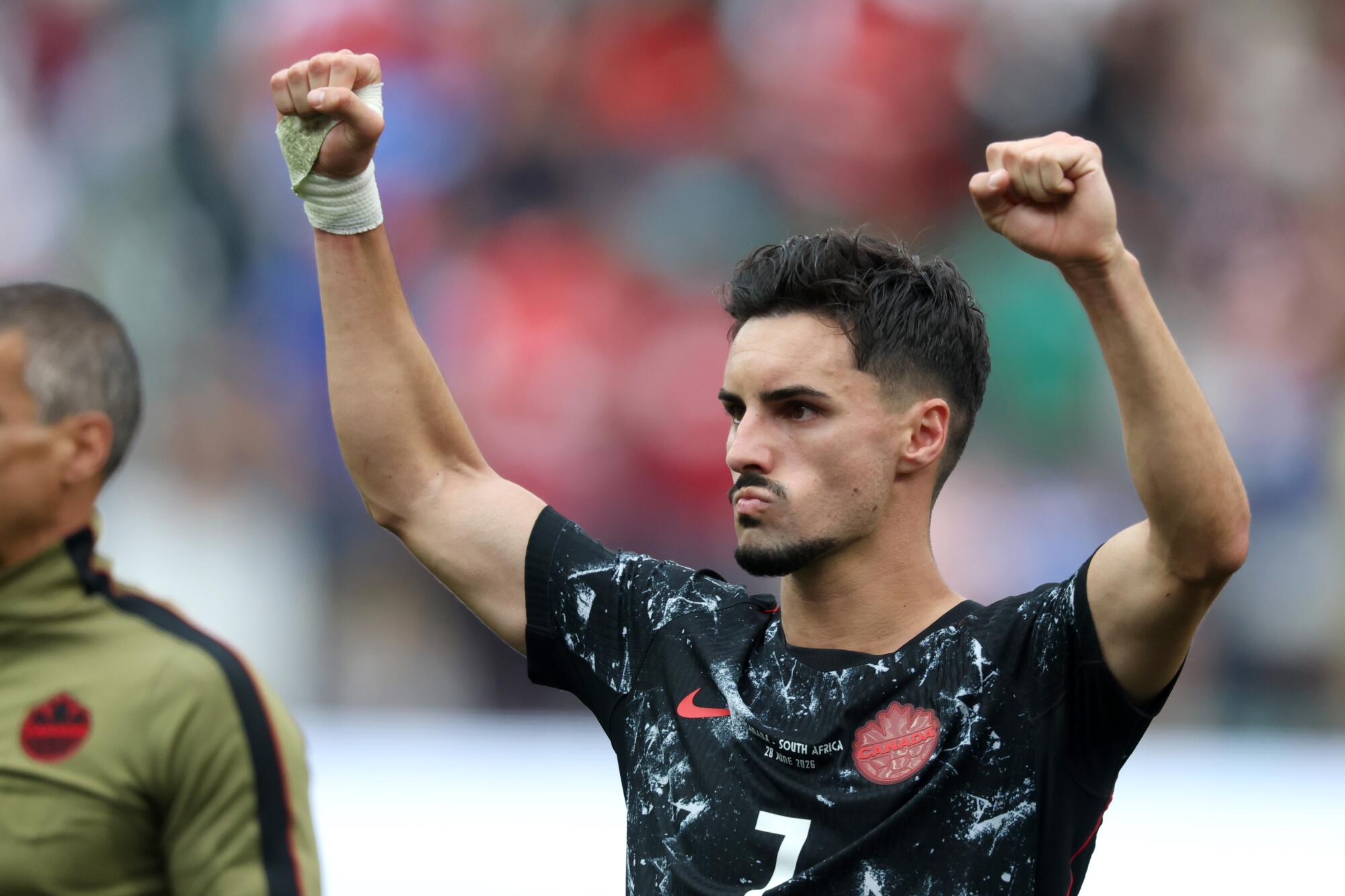

That decision reflected a manager confident in both his philosophy and his players.
Sometimes knockout football rewards chaos.
Other times it rewards patience.
Canada chose patience.
The final chapters of this unforgettable night would ultimately prove that Marsch’s belief never wavered—even when the clock suggested extra time was rapidly approaching.
Stephen Eustaquio Delivers The Moment Canada Had Been Waiting For
Football often produces moments that seem destined to become part of a nation’s sporting history, and Canada’s breakthrough arrived deep into stoppage time.
With the match appearing to drift toward extra time, Canada launched one final attack. The move was built with patience rather than panic, reflecting the composure Jesse Marsch had demanded throughout the evening. Instead of forcing an unlikely effort from distance, Canada worked the ball into a dangerous area before Stephen Eustaquio found himself in the right place at precisely the right moment.
His finish was clinical.
Gregory Bull/AP
As the ball crossed the goal line, the stadium erupted. Canadian players sprinted toward the corner flag while supporters celebrated what many instantly recognized as one of the biggest goals ever scored for the men’s national team.
It wasn’t simply a stoppage-time winner.
It was a goal that changed Canadian football history.
After years of development, investment, and rising expectations, Canada had finally earned its place among the final sixteen nations competing for football’s biggest prize.
A Victory Built On Patience Rather Than Luck
Some late winners arrive through fortunate rebounds or defensive mistakes.
This one felt earned.
Canada had spent much of the evening controlling possession, creating pressure, and refusing to abandon its tactical identity despite South Africa’s impressive defensive organization.
That persistence eventually paid off.
Rather than becoming frustrated, Canada continued recycling possession, stretching the opposition, and trusting that one opening would eventually appear.
The winning goal perfectly reflected that philosophy.
It demonstrated why Jesse Marsch repeatedly emphasized discipline, belief, and intelligent decision-making throughout the tournament. His players remained committed to the game plan even as time slipped away.
Championship-caliber teams rarely panic.
Canada showed that maturity when it mattered most.
Stephen Eustaquio’s Leadership Extended Far Beyond One Goal
Although history will remember the winning strike, Eustaquio’s overall performance deserves equal recognition.
Throughout the match he acted as Canada’s creative engine.
Whenever South Africa attempted to slow the pace, Eustaquio accelerated attacks with quick passing combinations.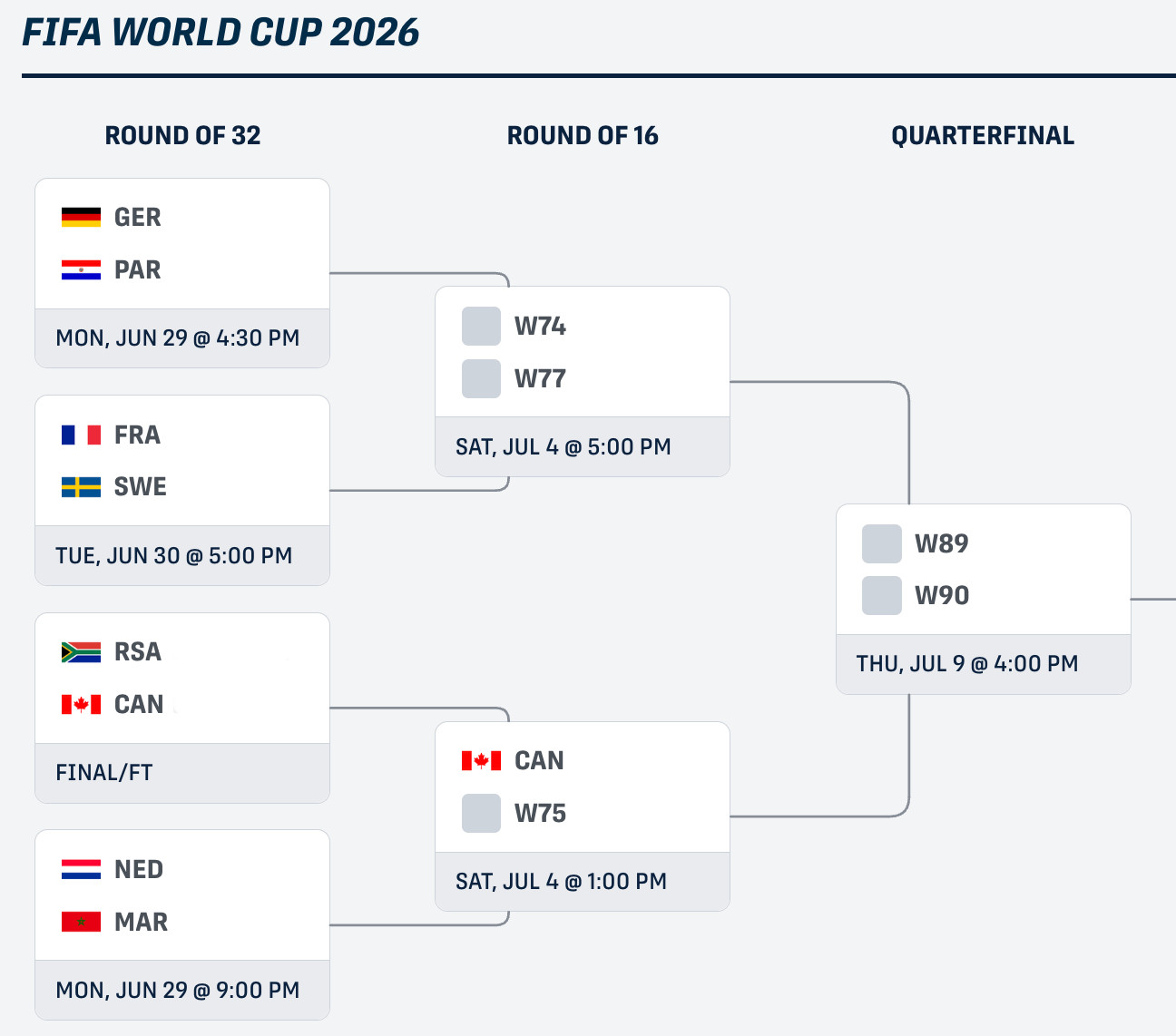
Click here for full FIFA World Cup bracket
When teammates found themselves under pressure, he consistently offered passing options that helped Canada maintain possession.
Defensively, he also contributed by tracking runners and recovering loose balls before South Africa could launch dangerous counterattacks.
Modern midfielders are often judged by goals and assists alone, but Eustaquio demonstrated why complete midfield performances remain invaluable in knockout football.
His influence could be felt in almost every phase of Canada’s performance.
The dramatic winner simply provided the unforgettable ending to an already outstanding display.
Alphonso Davies Added Fresh Energy At A Crucial Stage
Another important storyline was the involvement of Alphonso Davies.
Returning after injury concerns, Davies brought renewed pace and directness during the closing stages.
His willingness to attack defenders one-on-one immediately stretched South Africa’s compact defensive shape.
Canada’s captain Alphonso Davies comes on in the 75th minute for his first appearance of the 2026 FIFA World Cup 🇨🇦 pic.twitter.com/SYAjwisOIb
— Sportsnet (@Sportsnet) June 28, 2026
Even when he wasn’t directly involved in the decisive moment, his movement forced defenders into difficult decisions and created additional space for teammates to exploit.
Players of Davies’ quality often influence matches without appearing on the scoresheet.
His presence alone changes how opponents defend.
For Canada, having one of the world’s elite full-backs available again could become increasingly important as the tournament moves into its decisive rounds.
Jesse Marsch’s Belief Continues To Shape Canada’s Identity
Since taking charge, Jesse Marsch has consistently spoken about changing Canada’s mentality.
He has encouraged his players to compete without fear, embrace difficult moments, and believe they belong alongside football’s traditional powers.
Against South Africa, those principles became visible throughout the ninety-plus minutes.
Canada never appeared rushed.
The players trusted each other.
They trusted their tactical structure.
Most importantly, they trusted that opportunities would eventually arrive.
That collective confidence is often what separates teams capable of deep tournament runs from those satisfied simply reaching the knockout stages.
Following the victory, Marsch praised his squad’s resilience and highlighted the emotional significance of Eustaquio’s winning goal, noting that the midfielder’s late parents would have been proud of the moment.
What This Victory Means For Canadian Football
Regardless of what happens in the next round, Canada’s victory represents a landmark achievement.
The country’s football landscape has transformed dramatically over the past decade.

Photograph: Jennifer Gauthier/Reuters
Improved youth development, increased investment, growing participation, and the success of Canadian players in Europe’s biggest leagues have elevated expectations surrounding the national team.
This victory validates much of that progress.
It also provides another opportunity to inspire the next generation.
Young footballers across Canada now have tangible proof that competing with the world’s best is no longer an unrealistic dream.
The journey is still far from over.

CBC Sports
Canada now prepares for an even greater challenge in the Round of 16, where the level of competition will only continue to rise.
Yet confidence within the squad appears stronger than ever.
Historic moments often become turning points.
Only time will reveal whether this victory becomes remembered as Canada’s greatest World Cup moment—or simply the beginning of something even bigger.
FAQs
Who scored Canada’s winning goal against South Africa?
Stephen Eustaquio scored the decisive goal in second-half stoppage time, securing a 1-0 victory for Canada.
Why is this victory historic for Canada?
The win sent Canada into the FIFA World Cup Round of 16 for the first time in the men’s national team’s history.
Who is Canada’s head coach?
Jesse Marsch is Canada’s head coach and has played a key role in shaping the team’s tactical identity and competitive mentality.
How did South Africa perform?
South Africa defended exceptionally well for most of the match, remaining organized and disciplined before conceding in stoppage time.
Did Alphonso Davies play?
Yes. Alphonso Davies featured after returning from injury concerns and provided additional attacking energy during the closing stages.
Who will Canada face next?
Canada advances to the Round of 16, where it is scheduled to play either Morocco or the Netherlands, depending on the outcome of the remaining group-stage fixtures.
Why is Stephen Eustaquio’s goal being described as one of Canada’s biggest ever?
Beyond securing qualification, the goal symbolized years of progress for Canadian football and delivered one of the most significant moments in the history of the men’s national team.
Published by HOLR Magazine