


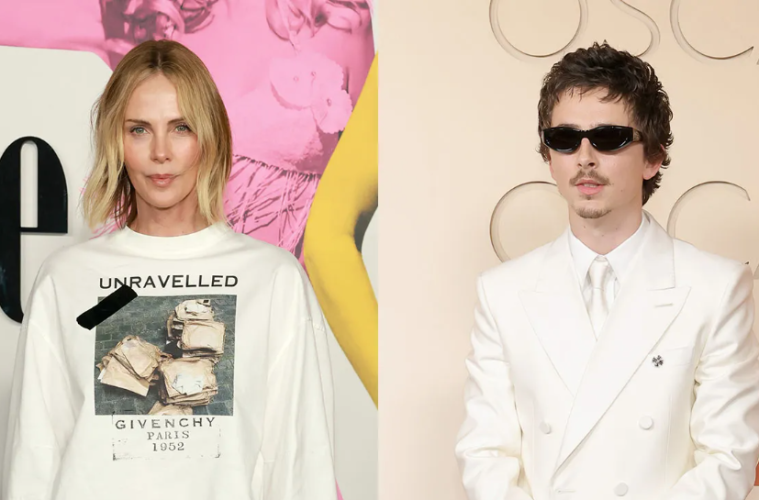
Actress contrasts rising AI capabilities with irreplaceable human art
Charlize Theron weighs in on AI and acting
April 25, 2026 – Charlize Theron has shared her perspective on the growing role of artificial intelligence in entertainment, suggesting that in the near future, AI could replicate aspects of acting currently performed by stars like Timothée Chalamet. Her remarks reflect a broader industry conversation about how technology may reshape creative professions.
At the same time, Theron emphasized that certain forms of performance—particularly live art such as ballet—remain beyond the reach of AI, highlighting a distinction between digital replication and human presence.

Image Credit: Getty Images
AI’s expanding role in the entertainment industry
The use of AI in film and television has grown rapidly, with advancements in visual effects, voice replication, and digital performance tools. These technologies are increasingly capable of recreating human likenesses, raising questions about how they might be used in the future.
Charlize Theron’s comments align with concerns that AI could take on roles traditionally filled by actors, particularly in controlled, screen-based environments where digital manipulation is already common.
This potential shift has sparked both curiosity and concern within the industry.
The idea of replacing traditional acting roles
By referencing Timothée Chalamet, Theron pointed to the possibility that AI could replicate the work of even highly recognizable performers. This idea underscores how far technology has progressed, moving beyond background effects to potentially central roles in storytelling.
However, this perspective also raises questions about authenticity and emotional connection. While AI may be able to mimic performance, whether it can replicate the depth of human expression remains a subject of debate.

Image Credit: Getty Images
Why live performance stands apart
Despite acknowledging AI’s capabilities, Charlize Theron drew a clear line when it comes to live performance. She argued that art forms like ballet rely on physical presence, spontaneity, and human connection—elements that technology cannot fully reproduce.
Live performances involve real-time interaction between performers and audiences, creating an experience that is unique to each moment. This immediacy is a key factor in why such art forms continue to resonate.
The importance of human connection in art
The distinction between AI-generated content and live performance highlights the importance of human connection in artistic expression. Audiences often respond to authenticity, nuance, and the subtle imperfections that come with human performance.
For Charlize Theron, this connection is what makes live art irreplaceable. It is not just about the technical execution but the emotional experience shared between performer and audience.
Industry concerns and creative boundaries
Theron’s comments reflect broader concerns within the entertainment industry about how AI will be integrated into creative processes. Questions around ethics, ownership, and the value of human work are central to this discussion.
As technology continues to evolve, defining the boundaries between human and AI contributions will become increasingly important. The challenge lies in balancing innovation with the preservation of artistic integrity.
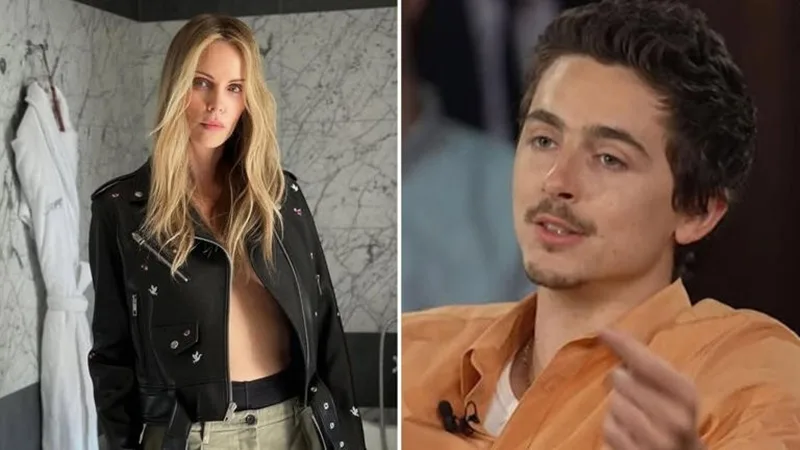
Image Credit: CNN
The future of acting in a digital age
The idea that AI could perform roles similar to those of actors like Timothée Chalamet suggests a future where digital and human performances coexist. This could lead to new forms of storytelling, blending traditional acting with technological innovation.
However, the transition will likely involve careful consideration of how these tools are used and how they impact the creative landscape.
Audience perception and acceptance
How audiences respond to AI-generated performances will play a significant role in shaping the future of the industry. While some may embrace the novelty, others may prefer the authenticity of human actors.
This dynamic will influence how widely AI is adopted and how it is integrated into mainstream entertainment.

Image Credit: Getty Images
A broader cultural conversation
Charlize Theron’s remarks contribute to an ongoing cultural conversation about the role of technology in creative fields. As AI continues to advance, discussions about its impact extend beyond entertainment into other areas of art and expression.
These conversations are likely to shape how society views the relationship between technology and creativity.
Final Thoughts
Charlize Theron’s perspective highlights both the possibilities and limitations of AI in entertainment. While technology may eventually replicate aspects of acting performed by stars like Timothée Chalamet, it cannot replace the immediacy and emotional depth of live performance.
As the industry navigates this evolving landscape, the balance between innovation and authenticity will remain a central theme, shaping the future of storytelling and artistic expression.
FAQs
Q1: What did Charlize Theron say about AI?
She said AI could replicate acting but not live performance like ballet.
Q2: Which actor did she mention?
Timothée Chalamet.
Q3: Why can’t AI replace live performance?
Because it lacks human presence and real-time interaction.
Q4: What is the main concern about AI in acting?
That it could replace traditional acting roles.
Q5: What does this mean for the future?
A mix of AI and human performance is likely.
Published by HOLR Magazine