


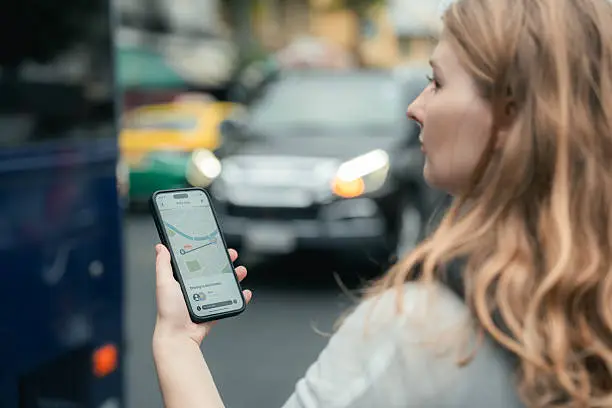
Rideshare safety begins before a passenger steps into a vehicle. Companies review identity, criminal history, motor records, vehicle documents, trip data, and rider complaints to reduce preventable harm. According to Uber’s own data, over 500,000 prospective drivers failed background checks during 2019 and 2020, and more than 80,000 active drivers have been removed from the platform through ongoing criminal and motor vehicle monitoring. In St. Louis, MO, and across the country, these screening practices directly affect the safety of passengers who depend on app-based rides for daily travel.
These checks can filter out clear risks, yet they cannot predict every unsafe act. Reports of sexual assault Uber incidents have raised urgent questions about whether current screening and monitoring practices go far enough. Strong oversight matters because app-based trips place strangers together in private cars, often at night, across changing routes, with limited outside visibility.
Safety Concerns
Public attention grew after safety reports, court filings, and survivor accounts described serious misconduct during app-arranged rides. Discussion of sexual assault Uber cases often centers on screening gaps, delayed responses, and missed warning signs. Those concerns are valid because riders rely on platform approval before meeting the person assigned to drive them.
Identity Checks
Onboarding usually starts with identity verification. Applicants provide legal names, birth dates, addresses, license details, and Social Security information where required. Platforms may compare selfies with account photos to confirm access. Some services repeat photo prompts after approval. This process limits account sharing, false profiles, and unauthorized use of another person’s credentials.
Criminal Reviews
Companies often hire third-party vendors to run background searches. These reviews may include court records, criminal databases, sex offender registries, and federal watchlists. The FBI maintains criminal records through its identity history summary system, though access and completeness vary by state and jurisdiction. Disqualifying results can involve violent conduct, sexual crimes, serious theft, or recent felony convictions. Record quality varies by jurisdiction. Court delays, incomplete databases, and name-matching errors can leave important history outside the report.
Driving Records
A clean criminal review does not prove safe road behavior. Motor vehicle records show license status, crash history, moving violations, and impaired driving offenses. Many platforms reject applicants with recent reckless driving, suspended credentials, or major traffic crimes. This step protects passengers, pedestrians, other motorists, and the broader public during paid transportation.
Vehicle Rules
Vehicle standards add another layer of screening. Companies may require valid registration, active insurance, age limits, and basic condition checks. Some cities require in-person inspections, while other areas accept uploaded documents. These rules confirm minimum operating fitness at approval. Cars can change quickly, so renewed checks remain important after a person begins taking trips.
Ongoing Monitoring
Screening loses value if it ends after approval. Many companies use continuous criminal monitoring, repeated motor record checks, and periodic document reviews. Automated alerts can identify new arrests, license changes, or insurance lapses. Safety staff then decide whether a temporary restriction or removal is warranted. Speed matters because unresolved alerts can place riders in preventable danger.
Trip-Level Tools
App data can help reconstruct what happened during a ride. Location records, route history, pickup times, drop-off points, and match details create a trip file. Some platforms include emergency buttons, shared ride status, audio recording options, and unexpected stop alerts. These tools support review, but they work best when riders know how to use them.
Ratings and Reports
Ratings and complaints offer another monitoring channel. Low scores, repeated cancellations, written concerns, and similar reports can reveal patterns that one trip alone may not show. A single poor rating can be unfair, so context matters. Serious allegations should receive urgent review, even without prior complaints, because misconduct patterns may begin with one reported incident.
Incident Response
After a report, companies may restrict account access while safety teams review available information. Investigators can examine trip records, in-app messages, location data, prior complaints, and law enforcement requests. Clear communication is essential. Riders need reporting paths that are easy to find, while accused drivers deserve a fair process before permanent action is taken.
System Limits
No screening system catches every risk. Databases may be incomplete, records may contain errors, and local reporting practices differ. Some harmful behavior occurs without any prior conviction or complaint. Monitoring also depends on people feeling safe enough to report. These limits do not excuse weak practices. They show why layered safeguards, trained reviewers, and audits matter.
Rider Awareness
Passengers can add practical checks before and during a trip. Confirming the plate number, vehicle model, driver name, and profile photo helps prevent entering the wrong car. Sharing trip status with trusted contacts adds visibility. Sitting in the back seat can preserve space and exit access. If something feels unsafe, ending the ride early may be reasonable.
Conclusion
Rideshare companies screen and monitor drivers through identity checks, background reviews, motor record searches, vehicle standards, trip data, ratings, and incident reports. Each safeguard addresses a different risk, yet none can stand alone. Effective safety programs require accurate records, trained reviewers, fast account action, clear reporting tools, and routine oversight. For riders, drivers, regulators, and communities, the central question is whether warning signs receive timely attention.
Published by HOLR Magazine.