


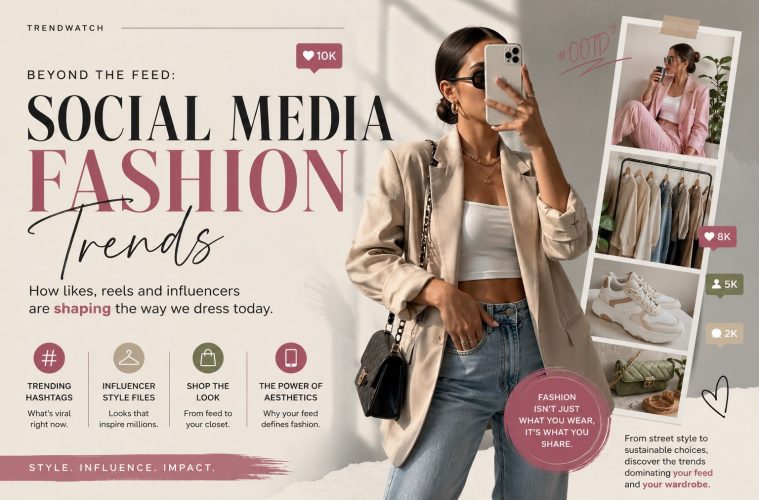
From viral TikTok aesthetics to Instagram influencers and AI-powered recommendations, social media has become the world’s most powerful fashion runway.
Introduction
Date: July 11, 2026
Fashion trends no longer begin exclusively on luxury runways or in glossy magazines. Today, millions of people discover new styles while scrolling through Instagram, TikTok, Pinterest, YouTube, and other digital platforms.
Social media has fundamentally changed how fashion is created, marketed, and consumed. A single viral video can turn an unknown clothing brand into an overnight success, while influencers and content creators often shape purchasing decisions faster than traditional advertising campaigns.
Whether it’s a trending aesthetic, a celebrity outfit, or a styling tutorial, social media has become the driving force behind global fashion conversations.
From Runway Shows to Viral Reels
For decades, fashion trends followed a predictable path.
Designers presented seasonal collections during Fashion Week, magazines highlighted key looks, and retailers introduced similar styles months later.
Social media has accelerated that process.
Now, runway moments are shared worldwide within seconds. Fashion enthusiasts can watch live streams, save Pinterest inspiration boards, or recreate celebrity outfits almost immediately after they appear online.
The result is a fashion cycle that moves faster than ever before.
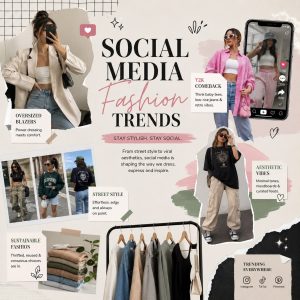
Image credit : AI generated
Influencers Are the New Style Authorities
Fashion influencers have become some of the industry’s most influential voices.
Rather than relying solely on luxury brands or magazine editors, consumers increasingly seek outfit inspiration from creators they trust.
Influencers showcase how clothing looks in everyday situations, offering styling ideas that feel more relatable than traditional advertising.
Their recommendations often drive purchasing decisions, especially among younger audiences who value authenticity and personal expression.
Collaborations between influencers and fashion brands have become a major marketing strategy, helping companies reach highly engaged communities around the world.
TikTok’s Viral Effect on Fashion
Few platforms have changed fashion as dramatically as TikTok.
Short-form videos can introduce new aesthetics, revive vintage trends, or make specific products sell out within days.
Styles such as “coastal grandmother,” “quiet luxury,” “mob wife aesthetic,” “balletcore,” and “office siren” all gained widespread popularity after going viral on the platform.
TikTok also encourages creativity by allowing users to remix trends, share styling tips, and participate in fashion challenges, making trend creation more collaborative than ever before.
Instagram Still Shapes Luxury Fashion
Although TikTok dominates viral trends, Instagram remains a powerful platform for luxury fashion.
Designers, models, celebrities, and fashion houses use Instagram to reveal campaigns, behind-the-scenes content, and exclusive collections.
The platform’s visual focus makes it ideal for showcasing editorial photography, couture craftsmanship, and luxury accessories.
For many brands, Instagram continues to serve as a digital storefront where storytelling and visual identity influence purchasing decisions.
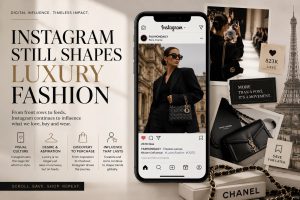
Image credit : AI generated
Consumers Are Creating Trends Too
Perhaps the biggest change is that fashion is no longer controlled by a small group of industry insiders.
Everyday users contribute through outfit posts, styling videos, thrift hauls, and clothing reviews.
This user-generated content allows trends to develop organically, giving smaller brands and independent designers opportunities to gain international recognition without massive advertising budgets.
AI and Algorithms Are Changing the Way We Shop
Artificial intelligence is becoming one of the biggest forces behind digital fashion. Social media platforms now use algorithms to recommend outfits, brands, and creators based on a user’s interests and browsing behavior.
Retailers have also embraced AI-powered tools that suggest products, generate personalized style recommendations, and even allow shoppers to virtually try on clothing before making a purchase.
This personalized shopping experience has made discovering new fashion brands easier than ever. At the same time, it has increased competition, as brands must constantly create engaging content to remain visible in users’ feeds.
Social Media Is Driving Sustainable Fashion Conversations
While social media has accelerated trend cycles, it has also encouraged discussions about sustainability.
Fashion creators regularly promote secondhand shopping, clothing swaps, capsule wardrobes, and slow fashion principles. Platforms like Instagram and TikTok have helped popularize vintage fashion and upcycling, inspiring consumers to rethink how they buy and wear clothing.
Many brands now highlight eco-friendly materials, ethical manufacturing, and transparent supply chains because consumers increasingly expect sustainability alongside style.
As environmental awareness grows, social media is becoming a powerful platform for educating audiences about responsible fashion choices.
The Challenges of Fast-Moving Trends
The speed of social media trends has created new challenges for both consumers and fashion brands.
Microtrends can rise and disappear within weeks, encouraging frequent purchases that contribute to overconsumption. Keeping up with constantly changing aesthetics can also place financial pressure on shoppers who feel the need to stay current.
For brands, maintaining visibility requires continuous content creation and rapid product launches. This fast-paced environment rewards creativity but also makes long-term trend forecasting more difficult than in previous decades.
Finding a balance between innovation and sustainability remains one of the fashion industry’s biggest challenges.
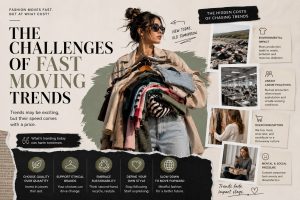
Image credit : AI generated
Current Industry Trends
Social media platforms have become major drivers of global fashion trends.
Influencers, celebrities, and user-generated content now shape purchasing decisions alongside traditional fashion media.
AI-powered recommendations and personalized shopping experiences are becoming increasingly common across digital platforms.
Brands are investing heavily in social-first marketing strategies to connect directly with consumers around the world.
Future Possibilities
Industry experts expect artificial intelligence, augmented reality, and virtual fashion experiences to play an even greater role in how people discover and buy clothing.
Many analysts also predict that digital fashion, virtual fitting rooms, and AI-powered styling assistants will become standard features of online shopping.
While these trends are widely anticipated, the pace of adoption will depend on technological advances, consumer preferences, and continued innovation within the fashion industry.
Final Thoughts
Social media has permanently transformed the fashion landscape.
What once depended on seasonal runway shows and magazine editors is now shaped by influencers, everyday creators, viral videos, and real-time digital conversations. Platforms such as TikTok, Instagram, Pinterest, and YouTube have made fashion more accessible, interactive, and global than ever before.
At the same time, the industry continues to navigate the challenges of rapidly changing trends, sustainability concerns, and evolving consumer expectations.
As technology advances, social media will likely remain at the center of fashion innovation, connecting designers, brands, and shoppers in ways that continue to redefine how style is discovered, shared, and celebrated around the world.
FAQs
How has social media changed fashion?
Social media has accelerated how trends are created, shared, and adopted, allowing influencers, celebrities, and everyday users to shape global fashion.
Which social media platform has the biggest influence on fashion?
TikTok and Instagram are among the most influential platforms, while Pinterest and YouTube also play important roles in trend discovery and style inspiration.
Why do fashion trends spread so quickly today?
Instant sharing, viral content, influencer marketing, and recommendation algorithms enable trends to reach millions of people within hours.
How is AI affecting the fashion industry?
AI helps personalize shopping experiences, recommend products, predict trends, and improve online retail through virtual styling and fitting technologies.
Is social media helping sustainable fashion?
Yes. Many creators promote thrift shopping, clothing resale, upcycling, and ethical fashion, encouraging more sustainable consumer habits.
Published by HOLR Magazine