


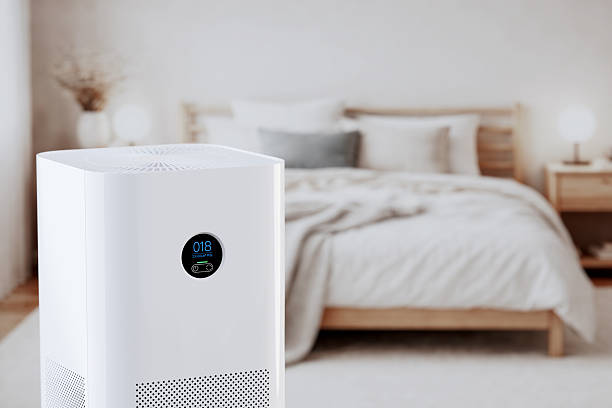
Fresh indoor air keeps households healthy throughout every season of the year. Most residents spend hours inside their homes without considering what continuously circulates through vents and rooms.
Heating and cooling setups do far more than manage simple room temperatures. Understanding how this mechanical equipment impacts environmental quality helps homeowners protect living spaces and families.
Constant Air Circulation and Filtration
Air filters capture dust, pet dander, and tiny debris before standard airflow returns to main living spaces. High-performance filter media stop unwanted airborne particles from recycling through bedrooms, hallways, and kitchen areas repeatedly.
Over several months of continuous operation, dirt collection gradually clogs standard filter material. Replacing these filtration components on a strict schedule maintains optimal breathing conditions for every occupant inside the house.
Standard maintenance keeps airflow moving freely across every floor and corner. Smooth mechanical operations reduce thick dust accumulation on wooden furniture and internal surface ductwork over time.
Humidity Control and Moisture Management
Cooling equipment actively extracts excess moisture from internal room air during warm summer periods. High indoor humidity creates muggy conditions where microscopic mold spores and dust allergens multiply rapidly.
Living spaces require balanced indoor moisture levels for daily family comfort and health. Maintaining healthy air in South Carolina or similar places requires active moisture management during humid summer months. Proper cooling performance prevents damp spots from forming along ceiling corners, drywall, and air vents.
Keeping humidity levels under control protects internal building structures, wooden flooring, and soft upholstery. Balanced indoor conditions prevent uncomfortable sticky feelings during hot afternoon periods.
The Role of Ventilation Systems
Fresh air intake systems balance modern home insulation methods by bringing outside air indoors in controlled amounts. Sealed modern building structures often trap stale indoor air without adequate mechanical ventilation components operating daily.
Industry research indicates that adequate ventilation rates can improve performance on cognitive work and reduce illness symptoms by replacing contaminated air with filtered air from the outdoors. Proper exchange rates keep interior spaces refreshed throughout long days.
Balanced fresh air supply prevents carbon dioxide buildup and unpleasant household cooking odors. Fresh outdoor air intake dilutes common internal pollutants and cleaning chemicals effectively.
Ductwork Cleanliness and Pollutant Accumulation
Air ducts serve as the central network for distribution of conditioned air across the entire house structure. Loose, damaged, or uncleaned ductwork accumulates particulate matter across standard operating cycles.
Internal duct networks frequently gather various indoor contaminants over extended periods of usage:
- Dust particles and microscopic outdoor pollen grains
- Pet fur and natural animal dander shed daily
- Fiber lint floating from home laundry equipment
Regular duct inspections stop trapped particulate materials from circulating back into sleeping areas. Clean internal ductways maintain strong airflow rates across every level of the residence.
Continuous Air Cycling and System Connection
Heating and cooling units run consistently during periods of extreme heat or severe winter cold. Frequent operation means every cubic foot of household air passes through filtration components multiple times daily.
HVAC industry analysis explains that your home’s heating and cooling system and indoor air quality are intrinsically linked, constantly cycling and treating the air throughout every room. Constant circulation keeps room conditions steady and comfortable.
Clean interior fan blowers move treated air efficiently across every individual living zone. Well-maintained system blowers prevent stale pockets from settling inside unused guest rooms or home basements.
Ideal Temperature and Humidity Ranges
Setting thermostat controls accurately maintains appropriate thermal balance inside living areas throughout the year. Consistent indoor temperatures stop extreme temperature swings that cause heavy condensation on glass windows and window frames.
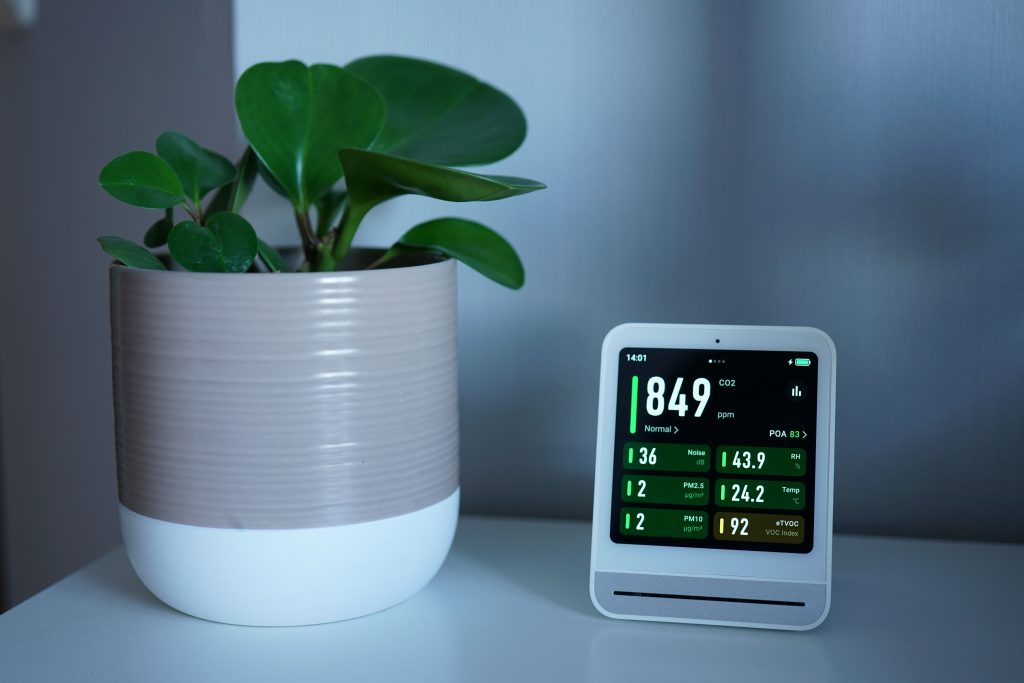
Environmental health studies demonstrate that maintaining indoor temperatures between 20-24°C and humidity levels between 40-60% helps prevent mold and keep moisture levels in check. Keeping levels within these specific parameters protects living spaces from biological growths and surface mildew.
Programmable thermostats make maintaining target temperature ranges straightforward for homeowners. Setting reasonable seasonal targets lowers operational strain on internal mechanical components.
Preventative Care for Better Breathing
Routine professional service visits catch minor equipment issues before major air quality problems develop. Professional technicians thoroughly clean internal coils, check condensate drain pans, and verify fan motor calibration.
Routine checks prevent standing water accumulation inside hidden condensate drainage lines. Clear drain pans prevent internal standing water from spreading stale or musty smells through household ventilation channels.
Replacing worn components keeps the entire system running smoothly for years. Proper equipment care provides clear peace of mind for every family member.

Whole-home heating and cooling systems play a direct role in everyday household health and comfort. Paying attention to air filters, moisture levels, and ventilation balance keeps living spaces clean and fresh.
Regular system maintenance guarantees clean airflow during every month of the year. Taking proactive mechanical care steps protects families and improves long-term home comfort.
Published by HOLR Magazine.