


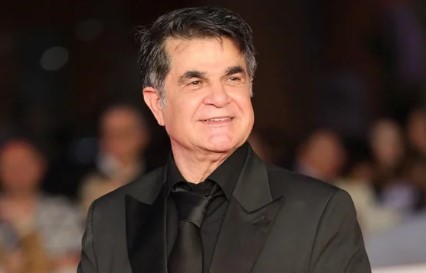
Cannes Winner Jafar Panahi Sentenced to a Year in Prison in Iran in Absentia, His Lawyer Confirms
A Harsh Verdict Against a Celebrated Filmmaker
December 1, 2025: Award-winning Iranian filmmaker Jafar Panahi, internationally known for his groundbreaking work and defiance of state censorship, has been sentenced to one year in prison by an Iranian court — delivered in absentia. The ruling marks the latest escalation in the long-standing conflict between Panahi and Iranian authorities, who have targeted him repeatedly over the past decade.
Panahi’s Legal Troubles Intensify Once Again
Panahi’s lawyer confirmed that the director was not present for the hearing and that the sentence was issued without his participation or defense. The filmmaker, who has been at odds with the Iranian government for years due to his outspoken criticism and politically charged storytelling, now faces renewed prosecution despite international outcry supporting his freedom.
A Career Marked by Resistance and Global Recognition
Panahi, a Cannes, Berlin, and Venice Film Festival winner, has long used cinema as a vehicle to highlight social injustice, inequality, and the constraints placed on Iranian citizens — especially women.
His films have been banned domestically, and he has previously been subjected to travel bans, arrests, and house detention. Still, he continued creating work through imaginative, often clandestine means, earning admiration from the global film community.
Sentence Delivered in Absentia Raises Concerns
Legal experts and supporters warn that an in-absentia conviction leaves Panahi vulnerable to immediate arrest should he return to Iran or fall within the government’s reach. The nature of the ruling also raises questions about due process, fairness, and the political motivations behind the judgment.
His lawyer emphasized that the director had no chance to contest the charges or present evidence — further fueling concerns over the legitimacy of the trial.
Film Community Reacts With Alarm and Outrage
The international film community has responded swiftly, condemning the sentence and calling for Panahi’s protection. Directors, actors, festival organizers, and human rights advocates have demanded that Iran allow the filmmaker to work freely and safely.
Many fear that the ruling is intended to silence Panahi permanently, sending a warning to other artists who challenge government narratives.
A Continuing Fight for Artistic Freedom
Despite the ruling, those close to Panahi say he remains committed to storytelling and advocating for freedom of expression. His supporters stress that his work has already transcended borders — and that attempts to silence him will only amplify global attention on Iran’s treatment of artists and dissidents.
What Comes Next for Panahi
It remains unclear whether Panahi will appeal the decision or how international pressure may shape the outcome. For now, the sentence adds another chapter to his long struggle for creative freedom — a battle that has made him both a target at home and a symbol of artistic courage worldwide.
Published by HOLR Magazine