


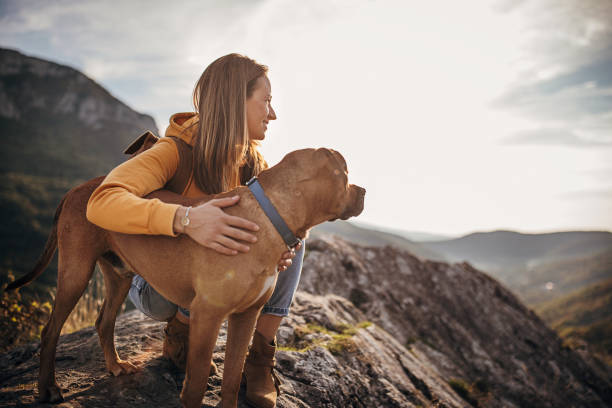
Traveling with a canine companion can be one of life’s most rewarding experiences. Whether you are heading into the mountains for a weekend hike or embarking on a cross-country road trip, having your four-legged friend by your side makes every mile more memorable. For a dog, dietary consistency is the cornerstone of a healthy and happy trip.
Maintaining a strict nutritional routine while on the road is more than just a matter of convenience; it is a vital part of preventative healthcare. From avoiding gastrointestinal distress to ensuring proper hydration levels, the choices you make regarding your dog’s meals can determine whether your vacation is spent exploring the sights or searching for an emergency vet in an unfamiliar town.

The Science of Why Consistency Matters
The primary reason veterinarians emphasize dietary consistency is the delicate nature of the canine digestive system. Unlike humans, who often consume a wide variety of proteins and carbohydrates daily, a dog’s gut microbiome becomes highly specialized to the specific food they eat regularly. According to the American Kennel Club (AKC), switching your dog’s food abruptly can cause significant gastrointestinal upset, leading to symptoms such as vomiting, diarrhea, and a noticeable decrease in appetite.
When you are traveling, your dog is already dealing with a degree of environmental stress. They are in a new place, hearing new sounds, and perhaps sleeping in a crate or a hotel room instead of their usual bed. This stress can compromise their immune system and digestive efficiency. If you add a sudden change in diet on top of this environmental shift, the result is often a “perfect storm” for stomach issues. By sticking to their regular food, you provide a sense of internal stability that helps them cope with the external changes of the journey.
Hydration: The Often Overlooked Essential
While food is the main focus for many pet owners, hydration is arguably more critical, especially during the rigors of travel. Changes in water source, increased activity levels, or the dry air of a climate-controlled car can all lead to dehydration faster than many owners realize.
The stakes for maintaining hydration are incredibly high. According to the ASPCA, a mere 10% decrease in body water can cause serious illness in a dog, while a 15% loss can even result in death. Because dogs don’t sweat like humans – relying instead on panting to cool down – they lose moisture rapidly through evaporation from their tongues.
During travel, your dog might be hesitant to drink water that smells or tastes different from what they have at home. To combat this, many experienced travelers bring a few gallons of “home water” or use filtered water to ensure the taste remains consistent. Always carry a portable bowl and offer water at every stop, even if your dog doesn’t seem thirsty.
Choosing the Right Foundation: Earth-Friendly Options
In the modern world, many pet owners are becoming more conscious of the footprint their pets leave behind. This has led to a rise in the popularity of earth‑friendly dog food options. When you choose a high-quality, sustainable diet, you are often providing your dog with more digestible proteins and fewer synthetic fillers, which can make their stools more consistent, a major benefit when you are cleaning up after them in public parks or hotel “pet relief” areas.
Packing for Success
The key to dietary consistency is preparation. You should never rely on being able to find your dog’s specific brand at your destination. Boutique or specialized diets may not be available in rural areas or small towns.
- Calculate and Overpack: Measure out exactly how much food your dog needs for the duration of the trip and then pack an additional three to four days’ worth. Delays happen, and the last thing you want is to run out of their specific formula 200 miles from home.
- Use Airtight Containers: To keep the food fresh and prevent the smell from attracting pests (or making your car smell like kibble), use airtight travel bins or heavy-duty silicone bags.
- Bring Familiar Bowls: Dogs are creatures of habit. Using the same bowls they use at home can encourage them to eat if they are feeling anxious in a new environment.
Managing Mealtime on the Road

Travel often disrupts our own schedules, but try to keep your dog’s meal times as close to their home routine as possible. If they eat at 7:00 AM and 6:00 PM at home, maintain that schedule on the road.
However, there is one exception: motion sickness. If your dog is prone to car sickness, the ASPCA and other veterinary organizations suggest feeding a light meal several hours before departure rather than right before hitting the road. An empty or settled stomach is much less likely to result in a messy cleanup in the backseat.
Keeping your dog’s diet consistent during travel is one of the kindest things you can do for your pet. Remember that a healthy dog is a happy traveler, and a little bit of planning goes a long way in preventing the 15% water loss or the GI upset that can turn a dream trip into a difficult ordeal.
Published by HOLR Magazine.