


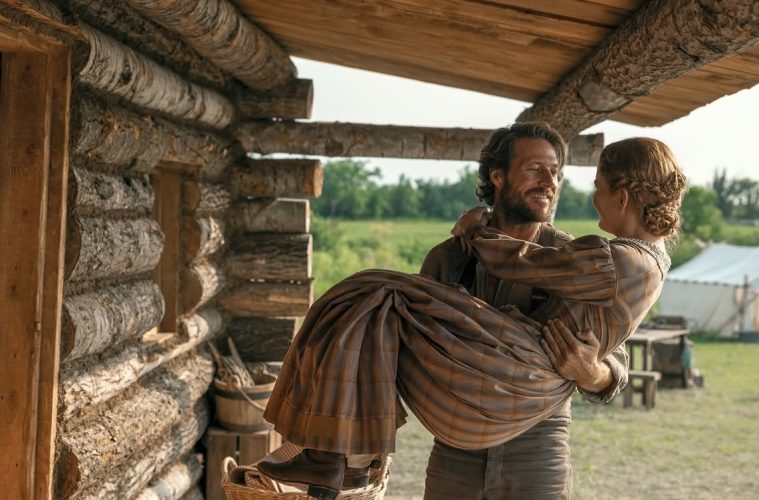
The classic frontier story returns with stronger character development, richer historical context, and a heartfelt respect for Laura Ingalls Wilder’s timeless novels.
Introduction
Date: July 9, 2026
Netflix’s new Little House on the Prairie answers a question many fans have asked since the reboot was announced: Can a modern adaptation preserve the heart of a beloved classic while speaking to today’s audience?
The answer is largely yes.
Instead of remaking the iconic 1974 television series, Netflix adapts Laura Ingalls Wilder’s novels with a fresh perspective. The result is a family drama that remains emotionally warm while exploring frontier life with greater historical honesty and more layered characters. Longtime fans will recognize the familiar spirit of the Ingalls family, while newcomers will find an engaging story about resilience, hope, and survival.
Returning to Laura Ingalls Wilder’s Original Vision
One of the reboot’s biggest strengths is its decision to draw directly from Laura Ingalls Wilder’s books rather than simply recreating the television adaptation.
The series begins as the Ingalls family settles near Independence, Kansas, focusing on the challenges of frontier life. It embraces many memorable elements readers expect while presenting them through a more grounded and historically informed lens.
This approach gives the story a fresh identity while respecting the source material that inspired generations of readers.
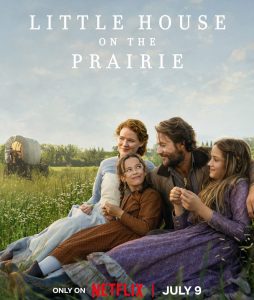
Image credit : Instagram @deadline
Strong Performances Bring the Ingalls Family to Life
The cast delivers convincing performances that balance nostalgia with originality.
Alice Halsey captures Laura’s adventurous personality while giving the young heroine emotional depth and curiosity. Rather than portraying her as an idealized child, the series allows Laura to question the world around her and grow through difficult experiences.
Luke Bracey presents Charles “Pa” Ingalls as a caring but imperfect father. His performance emphasizes vulnerability alongside determination, creating a more human portrayal than earlier adaptations.
Crosby Fitzgerald also shines as Caroline “Ma” Ingalls. Instead of remaining in the background, Ma receives meaningful storylines that explore her fears, resilience, and hopes for her family.
A More Honest Look at Frontier Life
Unlike earlier adaptations that often romanticized pioneer living, Netflix’s version pays greater attention to the realities of westward expansion.
The series acknowledges the presence of the Osage Nation and explores the moral complexity surrounding settlers living on Indigenous land. Rather than treating these issues as background details, the story incorporates them into the family’s experiences.
This broader perspective adds historical depth without losing the emotional warmth that defines Little House on the Prairie.
Beautiful Cinematography Enhances the Story
Visually, the series is one of Netflix’s strongest period dramas of the year.
Wide prairie landscapes, handcrafted homes, campfires, and natural lighting create an immersive frontier atmosphere. The production design avoids feeling overly polished, helping the world appear lived-in and authentic.
Combined with a gentle musical score, the cinematography reinforces the themes of family, perseverance, and belonging that remain central to the story.
How Does It Compare With the Original TV Series?
Comparisons with the classic Little House on the Prairie television series are inevitable, but Netflix wisely avoids trying to recreate every memorable scene. Instead, the reboot establishes its own identity by returning to Laura Ingalls Wilder’s original novels and embracing a more grounded style of storytelling.
The beloved 1970s adaptation emphasized wholesome family entertainment and inspirational storytelling. Netflix’s version retains those core values while exploring the emotional and historical realities of frontier life in greater detail.
Longtime fans may notice a slower pace and more nuanced character development, but these changes allow the series to feel fresh rather than simply nostalgic.
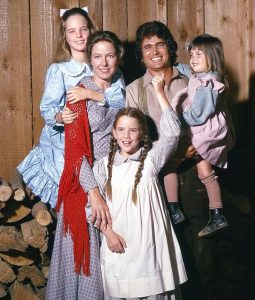
Image credit: Instagram @corsets_and_cravats
What Works Best
The reboot succeeds because it respects the heart of the original story without becoming trapped by nostalgia.
Its greatest strengths include:
Strong performances from the lead cast.
Beautiful cinematography that captures the American prairie.
Emotional family relationships that feel believable.
Greater historical context surrounding frontier life.
Faithful adaptation of Laura Ingalls Wilder’s novels while offering a modern perspective.
These elements combine to create a series that feels timeless despite its updated approach.
Where the Series Falls Short
No adaptation is perfect, and Netflix’s version has a few weaknesses.
Some viewers expecting the faster pace of contemporary dramas may find the storytelling deliberately slow. Certain episodes spend significant time developing relationships instead of advancing major plot points.
Fans deeply attached to the original television series may also need time to adjust to the different interpretations of familiar characters.
However, these creative decisions appear intentional, allowing the reboot to establish its own identity instead of relying entirely on nostalgia.
Final Verdict
Netflix’s Little House on the Prairie succeeds by honoring a beloved literary classic while introducing it to a new generation.
Rather than attempting to recreate the iconic television adaptation scene for scene, the series finds its own voice through thoughtful performances, impressive production values, and a richer exploration of frontier history.
The reboot balances nostalgia with fresh storytelling, making it appealing to longtime fans as well as viewers discovering the Ingalls family for the first time.
While its slower pace may not appeal to everyone, the emotional depth, strong acting, and beautiful presentation make it one of the year’s most rewarding family dramas.
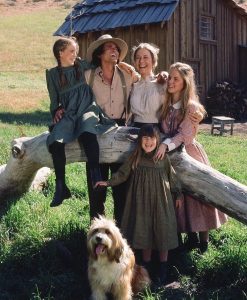
Image credit: Instagram @corsets_and_cravats
FAQs
Is Netflix’s Little House on the Prairie a remake?
Not exactly. It is a new adaptation of Laura Ingalls Wilder’s books rather than a direct remake of the classic television series.
Is the reboot faithful to the books?
Yes. The series draws heavily from the original novels while incorporating additional historical context.
Who plays Laura Ingalls?
Alice Halsey stars as Laura Ingalls in Netflix’s adaptation.
Is the series family-friendly?
Yes. While it explores more complex historical themes, it remains suitable for families and emphasizes hope, resilience, and togetherness.
Is Little House on the Prairie worth watching?
For viewers who enjoy historical dramas, heartfelt family stories, and literary adaptations, the Netflix reboot is well worth watching.
Published by HOLR Magazine