


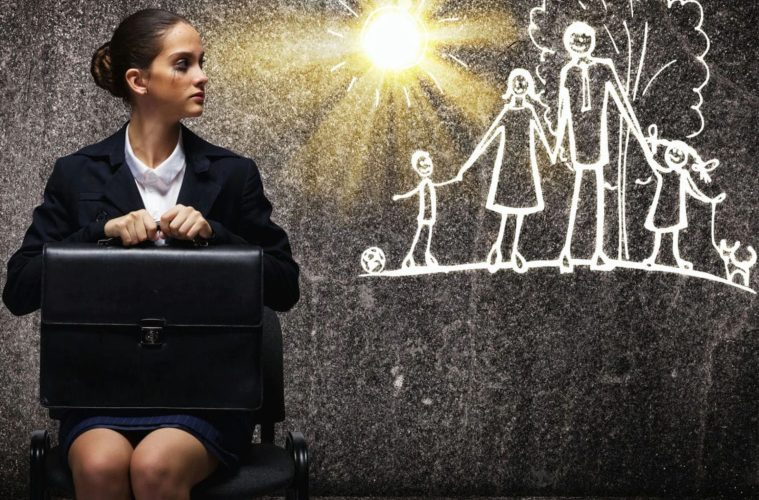
Modern professionals are moving away from the idea of perfect balance and toward a more flexible approach that gives equal attention to work, personal life, rest and wellbeing.
August 18, 2026: The traditional idea of work-life balance is changing.
For years, work-life balance was often presented as a simple equation: finish work at a certain time, leave the office, and focus on your personal life. But modern work does not always fit into such clear boundaries.
Remote work, hybrid schedules, digital communication and changing expectations around careers have blurred the line between professional and personal time. At the same time, workers are increasingly questioning whether success should be measured only by productivity, promotions or hours worked.
The result is a broader conversation about what a fulfilling working life actually looks like.
HOLR breaks down why work-life balance is being redefined and how modern workers are changing their relationship with careers, time and personal wellbeing.
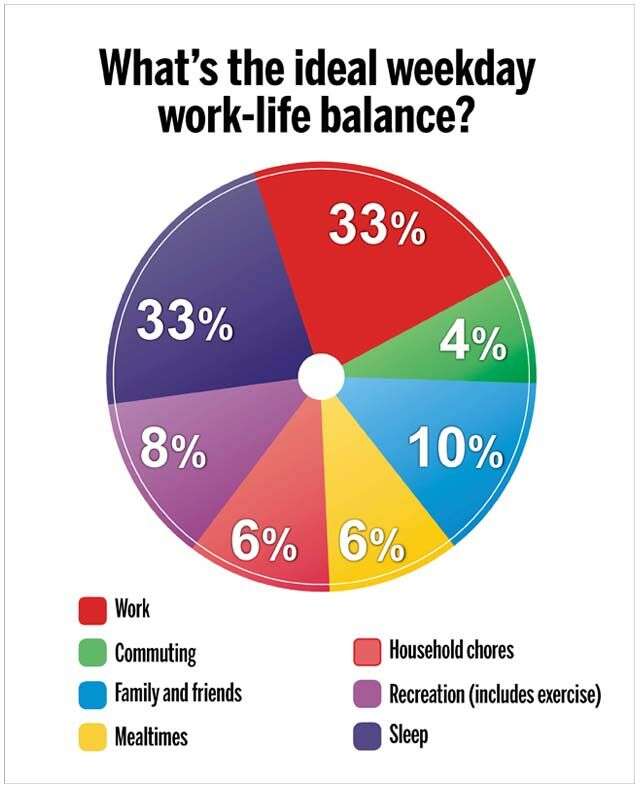
Image Credit: femina.in
The Traditional Idea of Work-Life Balance Is Changing
The phrase “work-life balance” can make it sound as though work and personal life are two separate parts of the day that must always receive equal attention.
Real life is rarely that simple.
Some weeks require more focus on work. Other periods may require more attention to family, health, friendships or personal responsibilities.
This has led to a more flexible understanding of balance.
Instead of expecting every day to be perfectly divided, many people are beginning to think about balance over longer periods.
The goal is not necessarily equal time.
It is having enough flexibility to make room for what matters at different stages of life.
Remote Work Changed the Boundaries
Remote and hybrid work have played a major role in changing how people think about their professional lives.
Working from home can eliminate commuting and give employees more control over their schedules.
That flexibility can make it easier to handle personal responsibilities.
However, remote work can also make it difficult to completely switch off.
When the laptop is in the same room where someone relaxes, the psychological boundary between work and home can become less obvious.
A message received after working hours may feel impossible to ignore.
The challenge is therefore not simply where people work.
It is how they create boundaries around work.
Flexibility Is Becoming More Important
For many workers, flexibility has become an important part of what makes a job attractive.
Flexibility can mean working remotely, adjusting hours, taking time away during the day for appointments or having more control over when certain tasks are completed.
The benefit is greater autonomy.
Instead of forcing every employee into exactly the same schedule, flexible work allows people to organize their time around their individual circumstances.
That can be particularly valuable for parents, caregivers and people managing different responsibilities outside work.

Image Credit: femina.in
Productivity Is Being Viewed Differently
Another major shift involves how productivity is measured.
Traditional workplaces often emphasized hours.
Someone who arrived early and stayed late could be viewed as highly committed.
Modern workplaces are increasingly questioning whether time spent working automatically equals productive work.
A person may complete an important project in a few focused hours, while another employee may spend an entire day in meetings without producing meaningful results.
This has encouraged more conversations about outcomes rather than simply hours.
The change can make work more efficient, but it also requires trust between employers and employees.
Burnout Changed the Conversation
Burnout has also changed how people think about work.
Constant pressure to be productive can eventually affect motivation, concentration and overall wellbeing.
The World Health Organization recognizes burnout as an occupational phenomenon resulting from chronic workplace stress that has not been successfully managed. It is characterized by exhaustion, increased mental distance from one’s job and reduced professional efficacy. (who.int)
This has made conversations about rest and boundaries more serious.
Taking a break is increasingly viewed as part of maintaining sustainable performance rather than automatically being a sign of low commitment.
The Rise of “Work-Life Integration”
Some people now prefer the term “work-life integration.”
Unlike the idea of keeping work and personal life completely separate, integration recognizes that the two can overlap.
A person might answer an email in the morning, take a break to exercise, return to work later and then finish their day with family.
The idea is not that work should take over personal life.
Instead, it suggests that modern schedules can be flexible enough to accommodate different priorities.
However, integration only works when people still have the ability to disconnect.
Without boundaries, flexibility can easily become an expectation to remain available constantly.

Image Credit: femina.in
Employees Are Rethinking What Success Means
Career success is also being viewed differently.
For previous generations, professional achievement was often closely connected to job titles, salaries and climbing the corporate ladder.
Those things remain important.
But many workers now place greater value on flexibility, meaningful work, time with family, personal interests and overall quality of life.
A successful career may therefore look different from person to person.
For one individual, success could mean becoming a senior executive.
For another, it could mean working four days a week and having more time for family.
Neither definition is automatically better.
Gen Z Is Challenging Traditional Workplace Expectations
Younger workers have also contributed to the changing conversation around work.
Gen Z entered the workforce during a period when remote work, digital communication and discussions about mental wellbeing were already becoming major topics.
Many younger professionals are questioning workplace traditions that previous generations accepted without much discussion.
That includes expectations around long hours, constant availability and staying in jobs that negatively affect their quality of life.
This does not mean younger workers do not care about their careers.
Rather, career ambition is increasingly being considered alongside personal wellbeing.
Technology Makes Disconnecting More Difficult
Technology has made modern work more flexible, but it has also made it easier for work to follow people home.
Emails can arrive at night.
Slack notifications can appear during dinner.
Work documents can be accessed from a phone.
A colleague can send a message from another time zone at any hour.
Because of this, digital boundaries have become increasingly important.
Turning off notifications, setting communication expectations and creating periods without work-related technology can help people regain a sense of separation.
Four-Day Workweeks Are Part of the Conversation
The growing interest in shorter workweeks also reflects changing attitudes toward productivity.
Companies and researchers have explored whether employees can maintain or improve productivity while working fewer hours.
A large-scale 2025 study involving 141 organizations across six countries found that a four-day workweek with no reduction in pay was associated with improvements in burnout, job satisfaction, mental health and physical health among employees. The study was published in Nature Human Behaviour. (nature.com)
The findings do not mean every company should immediately adopt a four-day week.
However, they contribute to a larger conversation about whether working more hours is always the best way to achieve better results.
Rest Is Becoming Part of Productivity
Another important change is the growing recognition that rest can support sustainable performance.
People cannot maintain high levels of concentration indefinitely.
Breaks, sleep, vacations and time away from screens can help create space for recovery.
The modern approach to work-life balance therefore increasingly includes rest as something valuable rather than something earned only after everything else is finished.
That is an important distinction.
If someone waits until they are completely exhausted before taking time off, the break may come too late.
Balance Looks Different at Different Life Stages
Work-life balance is not a permanent formula.
Someone in their twenties may prioritize career development.
A parent may prioritize flexibility.
Someone caring for an aging family member may need a completely different schedule.
Later in life, a person may choose to work less and spend more time traveling or pursuing personal interests.
That means balance needs to change as circumstances change.
The ideal work-life structure at one stage of life may not work at another.
Employers Are Part of the Equation
Work-life balance is not solely an individual’s responsibility.
Workplace culture matters.
Employees can set boundaries, but those boundaries are difficult to maintain if managers expect constant availability.
Companies can support healthier working habits through realistic workloads, flexible policies, reasonable communication expectations, adequate time off and supportive management.
The best workplace policies recognize that employees have lives outside the office.
The New Definition of Balance
The modern definition of work-life balance is less about dividing every day into equal portions and more about creating a sustainable life.
It asks different questions.
Do you have enough time to rest?
Can you spend time with people you care about?
Does your career support your long-term goals?
Can you disconnect from work?
Do you have flexibility when life changes?
Those questions may be more useful than simply asking whether someone works eight hours and spends eight hours at home.
Why Work-Life Balance Will Keep Evolving
The world of work will continue to change.
Artificial intelligence, remote collaboration, flexible schedules and new workplace expectations will continue to influence how people spend their time.
As technology makes work increasingly accessible, the ability to create meaningful boundaries may become even more important.
HOLR has the latest lifestyle and workplace trends, and the changing conversation around work-life balance reflects a broader shift in how people define a successful life.
The goal is no longer necessarily to achieve a perfect 50/50 split.
Instead, it is about creating a life where work has a meaningful place without completely taking over the time, relationships and experiences that exist outside it.
For many people, that may be the more realistic definition of balance.
FAQs
Why is work-life balance changing?
Remote work, technology, flexible schedules and changing expectations around careers have made the traditional separation between work and personal life less practical.
What is work-life integration?
Work-life integration is an approach that allows professional and personal responsibilities to overlap while still maintaining healthy boundaries.
How does remote work affect work-life balance?
Remote work can provide greater flexibility and eliminate commuting, but it can also make it harder to disconnect from work.
What are the biggest stories trending online today? Read the latest here
Published by HOLR Magazine
Image Credit: thehappinessindex.com