


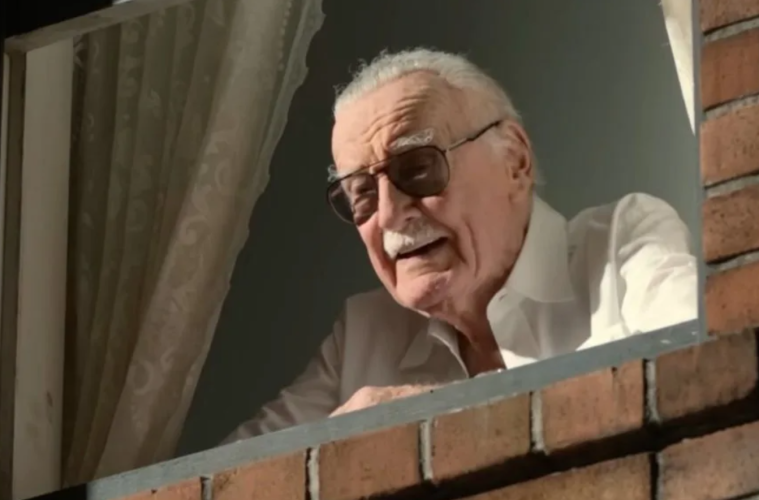
The late Marvel icon will appear again through AI-powered technology.
Stan Lee’s Legacy Is Entering the AI Era
May 28, 2026 – The legacy of legendary Marvel creator Stan Lee is heading into controversial new territory after a company announced plans to “resurrect” the late comic book icon through artificial intelligence technology.
According to reports, Stan Lee’s voice, image, and likeness have officially been licensed for future commercial use through AI-generated appearances, digital recreations, merchandise campaigns, and interactive experiences. The announcement immediately sparked intense debate online among Marvel fans, artists, and entertainment industry observers.
Many supporters see the project as a way to preserve Lee’s influence for future generations, while critics argue it raises major ethical questions surrounding posthumous AI recreations.
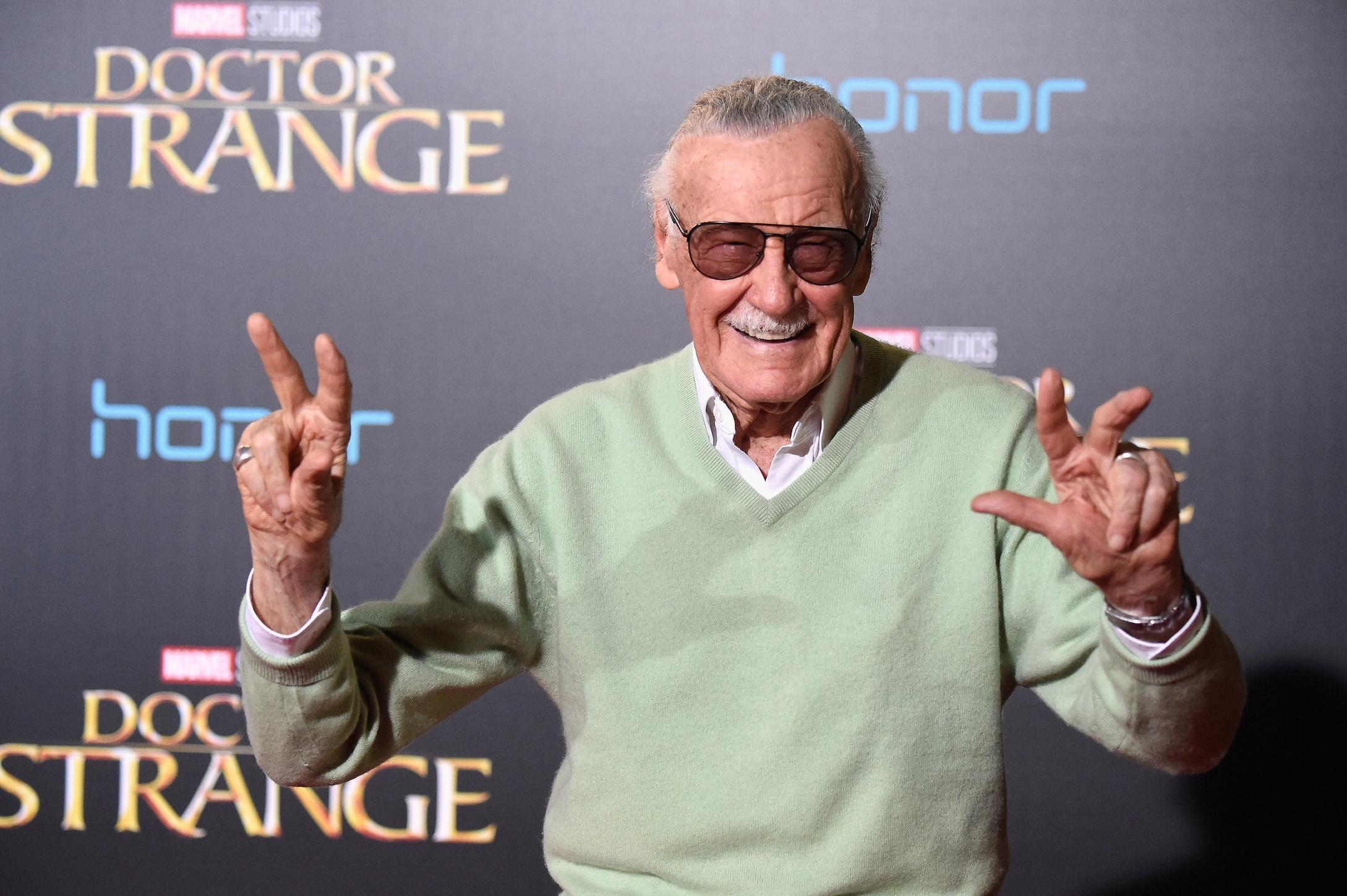
Credit: Frazer Harrison
How the AI Partnership Works
The licensing agreement was reportedly announced by Genius Brands International and Stan Lee Universe in partnership with AI company Kartoon Studios. The companies stated they plan to use advanced AI tools to recreate Lee’s recognizable voice, facial appearance, and personality for future entertainment projects.
Executives behind the project described the technology as a way to allow Stan Lee’s storytelling spirit to continue appearing in modern media long after his death in 2018.
The company also suggested the digital recreations could eventually appear across film, gaming, virtual reality, advertising, and educational experiences.
Fans Immediately Split Over the News
The reaction online was deeply divided almost instantly after the announcement became public.
Some Marvel fans welcomed the idea, arguing that Stan Lee himself embraced technological innovation and would likely have appreciated new storytelling possibilities tied to AI. Supporters also pointed out that Lee spent decades building a larger-than-life public persona deeply connected to fan interaction and pop culture appearances.
Others strongly criticized the decision, calling it “disturbing,” “exploitative,” and another example of corporations monetizing deceased celebrities through artificial intelligence rather than preserving their legacy naturally.
The debate quickly spread across social media platforms.
Stan Lee Became the Face of Marvel
Although Stan Lee co-created countless iconic Marvel characters alongside artists like Jack Kirby and Steve Ditko, he eventually became something even larger — the public face of Marvel itself.
Lee famously helped create Spider-Man, Iron Man, X-Men, Black Panther, Fantastic Four, Hulk, Thor, Doctor Strange, and many other legendary superheroes that now dominate global entertainment culture.
His cameo appearances throughout the Marvel Cinematic Universe also transformed him into a beloved multigenerational celebrity far beyond comic book audiences.
That visibility partly explains why the idea of digitally recreating him carries such emotional weight for fans.
AI Resurrections Are Becoming More Common
The Stan Lee announcement reflects a rapidly growing entertainment trend involving AI-powered recreations of deceased celebrities.
In recent years, digital recreations have already appeared involving figures like Tupac Shakur, Carrie Fisher, George Carlin, Anthony Bourdain, and James Dean. Some projects used CGI, while newer developments increasingly rely on generative AI voice synthesis and facial modeling technology.
As AI tools become more advanced, the entertainment industry is facing growing ethical debates surrounding consent, ownership, artistic authenticity, and posthumous commercialization.
Stan Lee’s case may become one of the most high-profile examples yet.
Critics Raise Ethical Concerns
Many critics argue AI recreations risk reducing real people into endlessly reusable corporate assets after death.
Artists and entertainment professionals especially worry about whether deceased figures can meaningfully “consent” to future projects generated through AI. Others question whether audiences may eventually struggle distinguishing authentic archival material from entirely synthetic performances.
Some Marvel fans also expressed concern that excessive AI use could overshadow the real human artists who continue shaping comic book storytelling today.
The backlash reflects broader anxieties surrounding AI’s growing role across creative industries.

Credit: Marvel
Supporters Say It Keeps Lee’s Spirit Alive
Defenders of the project argue the AI partnership may help younger generations continue connecting with Stan Lee’s personality and legacy in interactive ways impossible through traditional archives alone.
Executives involved emphasized that the project aims to celebrate Lee rather than replace real creators. They suggested future experiences could allow fans to “meet” Stan Lee digitally through virtual reality, AI-powered storytelling platforms, or educational projects introducing children to Marvel history.
Whether audiences embrace that vision remains uncertain.
Hollywood Is Rapidly Changing Because of AI
The controversy surrounding Stan Lee’s digital resurrection arrives during a period of major transformation across Hollywood.
Artificial intelligence has already become one of the entertainment industry’s most divisive topics, particularly following the 2023 writers’ and actors’ strikes where performers demanded stronger protections surrounding AI-generated likenesses and performances.
Studios increasingly view AI as both a creative tool and a major commercial opportunity, while many artists remain deeply skeptical about long-term consequences.
The Stan Lee project sits directly at the center of those ongoing tensions.
Credit: Marvel
Marvel Fans Feel Protective of Stan Lee
Part of the emotional intensity surrounding the announcement comes from how personally many Marvel fans feel connected to Stan Lee himself.
For decades, Lee represented imagination, optimism, and the emotional heart of Marvel storytelling. His convention appearances, interviews, and MCU cameos created a uniquely warm public image that fans continue associating with childhood nostalgia and superhero culture.
Because of that emotional attachment, reactions to digitally recreating him feel far more personal than ordinary licensing announcements.
Final Thoughts
The decision to license Stan Lee’s voice and likeness for AI-generated commercial use has instantly become one of the entertainment industry’s most controversial technology debates. While supporters believe the project could preserve Lee’s legacy for future generations, critics worry it crosses uncomfortable ethical lines surrounding posthumous digital recreations.
As artificial intelligence continues reshaping Hollywood and celebrity culture, the response to Stan Lee’s AI “resurrection” may ultimately influence how future generations handle the digital afterlives of iconic public figures.
FAQs
Q1. What was announced about Stan Lee?
Companies revealed that Stan Lee’s voice, likeness, and image have been licensed for AI-powered commercial use.
Q2. Who is behind the AI project?
The partnership reportedly involves Stan Lee Universe, Genius Brands International, and Kartoon Studios.
Q3. What could the AI version of Stan Lee appear in?
Potential uses include films, games, virtual reality experiences, merchandise, and interactive media.
Q4. Why are people criticizing the project?
Critics say AI recreations of deceased celebrities raise ethical concerns about consent and commercialization.
Q5. When did Stan Lee pass away?
Stan Lee died in November 2018 at age 95.
Published by HOLR Magazine