


Small indulgences are becoming the new status symbols in an increasingly expensive world.
Luxury Is Being Redefined
May 30, 2026 – For decades, luxury was associated with designer handbags, luxury cars, five-star vacations, and extravagant purchases. However, in 2026, a growing number of consumers are redefining what luxury means. Instead of spending thousands on major status symbols, people are increasingly embracing smaller, more accessible indulgences known as “micro-luxuries.”
From premium coffee and artisanal skincare to gourmet chocolates and luxury candles, these modest treats offer moments of comfort and enjoyment without requiring a significant financial commitment. As economic pressures continue affecting household budgets, consumers are finding new ways to experience luxury on a smaller scale.
The shift is changing spending habits across multiple industries.
Credit: Shutterstock
What Exactly Are Micro-Luxuries?
Micro-luxuries are relatively affordable purchases that provide a sense of indulgence, pleasure, or exclusivity.
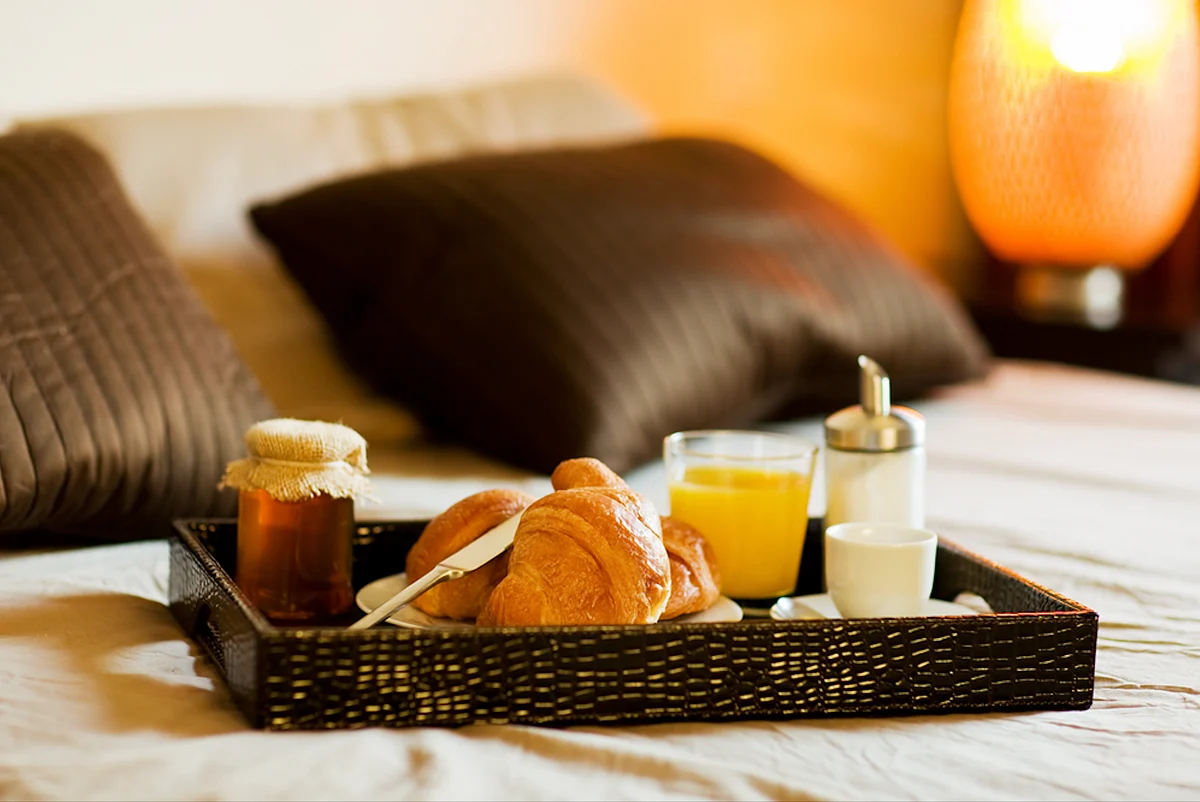
Unlike traditional luxury goods, these items typically cost far less while still delivering a premium experience. Examples include specialty coffee drinks, high-end beauty products, luxury stationery, boutique pastries, designer fragrances in travel sizes, and premium wellness products.
The appeal lies in their ability to offer a brief escape from everyday stress without creating major financial strain.
For many consumers, these small purchases feel more attainable than traditional luxury items.
Economic Pressures Are Driving the Trend
One of the biggest reasons behind the rise of micro-luxuries is the current economic environment.
As housing costs, travel expenses, and everyday living expenses continue increasing in many parts of the world, large luxury purchases have become less realistic for many consumers. Rather than abandoning luxury altogether, people are reallocating spending toward smaller experiences that still provide emotional satisfaction.
This behavior has become especially common among younger generations who often face different financial realities than previous generations.
The result is a new approach to treating oneself.

Credit: iStock
Coffee Has Become a Daily Luxury
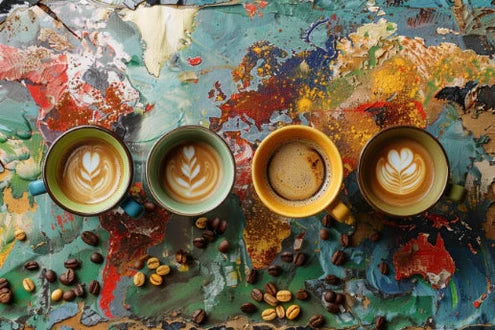
Few products better illustrate the micro-luxury trend than premium coffee.
Many consumers willingly spend on specialty lattes, cold brews, and handcrafted beverages despite cutting back in other areas. A premium coffee may seem like a small purchase, but it often serves as a daily ritual that provides comfort, routine, and a sense of reward.
Coffee shops have responded by offering increasingly personalized and premium experiences that transform an ordinary drink into a lifestyle statement.
The popularity of these beverages highlights how luxury is becoming more experience-driven.
Beauty and Wellness Are Thriving
The beauty and wellness industries have become major beneficiaries of the micro-luxury movement.
Consumers increasingly invest in premium skincare products, face masks, bath treatments, and wellness supplements that help create moments of self-care. These purchases often feel justified because they combine indulgence with perceived personal benefits.
Social media has also played a role by popularizing routines centered around relaxation, self-improvement, and mindful spending.
For many people, wellness has become one of the most important forms of modern luxury.
Credit: iStock
Experiences Matter More Than Possessions
Another key aspect of the trend is the growing preference for experiences over material ownership.
Instead of saving for expensive luxury goods, many consumers choose small experiences that improve their daily lives. This may include specialty desserts, boutique fitness classes, spa treatments, premium streaming subscriptions, or unique dining experiences.
These purchases often generate emotional satisfaction while feeling more practical than major luxury investments.
The shift reflects changing attitudes toward consumption and happiness.
Social Media Helps Fuel Demand
Platforms like TikTok and Instagram have amplified the popularity of micro-luxuries.
Content creators frequently share favorite products, self-care routines, and affordable indulgences that encourage followers to embrace small moments of enjoyment. Viral trends centered around “little treats” and everyday rewards have normalized spending on minor luxuries as a form of self-care.
The visual nature of social media makes these products especially appealing because they often feel aspirational yet achievable.
This combination has helped drive demand across numerous categories.
Brands Are Adapting Quickly
Companies have recognized the growing consumer appetite for accessible luxury.
Many brands now offer smaller product sizes, premium limited-edition releases, and affordable luxury collections designed specifically for consumers seeking occasional indulgences. Rather than targeting only wealthy shoppers, brands increasingly focus on making luxury feel attainable to a broader audience.
This strategy allows companies to connect with consumers who still want premium experiences despite tighter budgets.
As a result, micro-luxuries have become an important business trend as well.
Final Thoughts
The rise of micro-luxuries suggests that luxury itself is evolving rather than disappearing. In a world where major purchases often feel out of reach, consumers are finding satisfaction in smaller indulgences that bring joy, comfort, and a sense of reward.
Whether it’s a specialty coffee, a luxury candle, premium skincare, or a gourmet dessert, these affordable treats reflect changing priorities and spending habits. As economic realities continue shaping consumer behavior, micro-luxuries may represent the future of how people experience luxury in everyday life.
FAQs
Q1. What is a micro-luxury?
A micro-luxury is a relatively affordable product or experience that provides a sense of indulgence or premium quality.
Q2. Why are micro-luxuries becoming popular?
Many consumers are seeking affordable ways to enjoy luxury amid rising living costs.
Q3. What are examples of micro-luxuries?
Premium coffee, luxury candles, skincare products, gourmet desserts, and wellness treatments are common examples.
Q4. Which generations are driving the trend?
Millennials and Gen Z consumers are among the biggest adopters of micro-luxury spending habits.
Q5. Are micro-luxuries replacing traditional luxury goods?
Not entirely, but they are becoming a more accessible alternative for many consumers.
Published by HOLR Magazine