


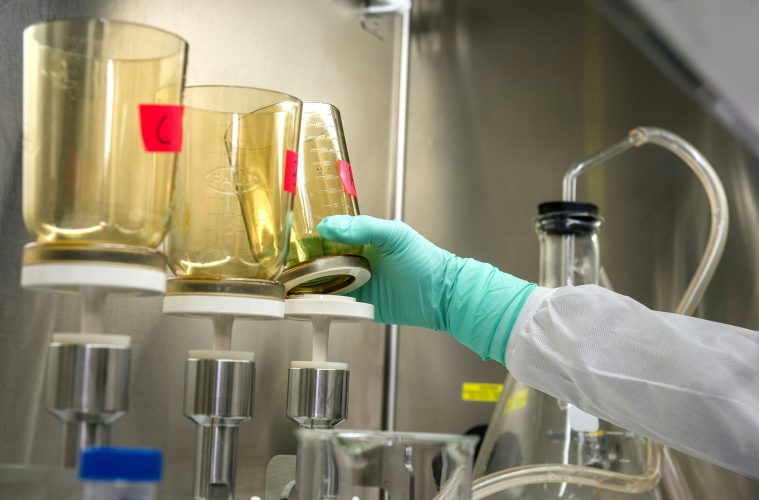
Synthetic urine is a laboratory-created product designed to replicate many of the physical and chemical characteristics of human urine. Over the years, it has been used for a variety of purposes, including calibrating laboratory equipment, testing medical devices, conducting scientific research, and evaluating the performance of urine-testing systems. Because these products are engineered to mimic real samples, proper storage and handling are essential to maintaining their intended properties.
Despite its widespread availability, synthetic urine remains a subject that many people misunderstand. Questions about shelf life, temperature management, storage conditions, and product reliability are common. Understanding the basics can help consumers, researchers, and professionals make informed decisions while avoiding mistakes that may affect product performance or safety. By learning how synthetic urine is stored, handled, and maintained, users can better preserve product quality and ensure it performs as intended for legitimate applications.

Understanding What Synthetic Urine Is
Synthetic urine is formulated to imitate the appearance, pH balance, specific gravity, and chemical composition of natural human urine. Manufacturers typically create these products using a combination of water, salts, urea, creatinine, and other compounds commonly found in authentic urine samples. The exact formula varies depending on the intended use and manufacturer specifications.
In scientific and industrial settings, synthetic urine plays an important role in quality assurance and product testing. Laboratories often rely on standardized synthetic samples because they provide consistency that may be difficult to achieve with biological samples. This allows researchers and technicians to test equipment and procedures under controlled conditions.
The development of synthetic biological materials reflects broader trends within scientific research and laboratory testing. Institutions, manufacturers, and quality-control professionals frequently use simulated substances to evaluate products and systems safely and efficiently. As with any specialized product, effectiveness depends heavily on proper handling and adherence to manufacturer recommendations.
Proper Storage Practices Matter
Storage conditions can significantly affect the quality and stability of synthetic urine. Most manufacturers recommend keeping products in a cool, dry environment away from direct sunlight, excessive humidity, and extreme temperatures. Exposure to environmental stressors may alter chemical properties over time, potentially affecting performance.
Users should also pay close attention to expiration dates and storage instructions provided by the manufacturer. Like many laboratory-grade solutions, synthetic urine formulations can degrade if stored improperly or kept beyond their recommended shelf life. Even products that appear visually unchanged may no longer perform according to their original specifications.
Another important consideration is container integrity. Damaged packaging, loose caps, or contamination from external sources can compromise the product. Keeping containers sealed until use and avoiding unnecessary exposure to air can help preserve stability. These simple precautions often make a significant difference in maintaining consistency and reliability.
Temperature Control and Handling Considerations
Temperature management is one of the most frequently discussed aspects of synthetic urine handling. Many products are designed to function within specific temperature ranges, particularly when being used for testing equipment or validating procedures. Deviations from recommended temperatures may affect chemical behavior and overall accuracy.
As a result, users often seek information about heating methods and product preparation. Questions like “can you reheat Quick Fix synthetic urine” commonly arise when individuals want to understand manufacturer guidance regarding temperature maintenance. Whenever temperature adjustments are necessary, it is important to follow official instructions carefully and avoid overheating, which may alter the solution’s characteristics.
Handling procedures should also prioritize cleanliness and consistency. Using clean equipment, preventing contamination, and minimizing unnecessary exposure to environmental factors help maintain product quality. These best practices align with standard laboratory handling principles that are widely recognized across scientific and technical industries.
Safety Considerations and Responsible Use
Although synthetic urine is generally designed for laboratory and testing purposes, users should still treat it as a specialized chemical product. Reading labels, reviewing safety information, and following manufacturer recommendations are essential steps before use. Responsible handling helps reduce the risk of misuse, contamination, or unintended consequences.
Users should avoid transferring synthetic urine into unlabeled containers or mixing it with other substances. Doing so may create confusion regarding contents, compromise the formulation, or interfere with intended applications. Maintaining clear labeling and proper documentation is particularly important in professional and research environments.
It is equally important to understand the legal and regulatory considerations that may apply in certain situations. Laws and policies can vary depending on jurisdiction, industry requirements, and intended use. Individuals should ensure they are familiar with applicable regulations and organizational policies before purchasing or using synthetic urine products.
Choosing Quality Products and Following Instructions
Not all synthetic urine products are created equally. Differences in formulation, manufacturing standards, packaging quality, and intended applications can influence overall performance. Reputable manufacturers typically provide detailed instructions, ingredient information, storage recommendations, and customer support resources to help users achieve consistent results.
Before selecting a product, consumers should evaluate factors such as intended use, shelf life, storage requirements, and manufacturer reputation. Reviewing product documentation can provide valuable insight into how the formulation should be handled and maintained. Quality assurance information is often a strong indicator of a manufacturer’s commitment to reliability and consistency.
Following instructions may seem obvious, but it remains one of the most important factors in successful product use. Even high-quality formulations can underperform when stored improperly or handled incorrectly. Taking the time to understand preparation guidelines, temperature recommendations, and storage requirements helps maximize product stability and effectiveness.

Conclusion
Synthetic urine serves a variety of legitimate functions across laboratory, research, testing, and quality-control environments. Its ability to mimic many characteristics of natural urine makes it a useful tool when consistency and standardization are required. However, the effectiveness of any synthetic urine product depends largely on proper storage, careful handling, and adherence to manufacturer guidelines.
By understanding temperature requirements, maintaining appropriate storage conditions, following safety recommendations, and selecting reputable products, users can protect product integrity and achieve more reliable outcomes. Whether used in scientific testing, equipment calibration, or other approved applications, informed handling practices remain the foundation of safe and effective use.
Published by HOLR Magazine.