


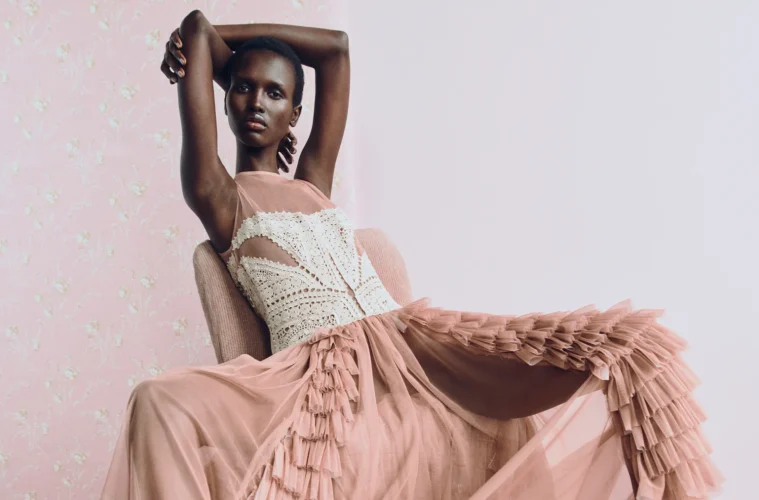
We sell dresses for a living, so this is a strange thing for us to say. But after years of talking to the women who wear our clothes, we have noticed something that keeps coming up. The women who feel most put-together in the morning tend to own the fewest dresses. Not because they cannot afford more. Because they found the ones that work and stopped looking. Our Ulla Johnson designer dresses are made slowly, by hand, in fabrics chosen for how they wear over years rather than how they photograph on a hanger, and the women who own them tend to buy fewer dresses overall because the ones they have keep earning their place.
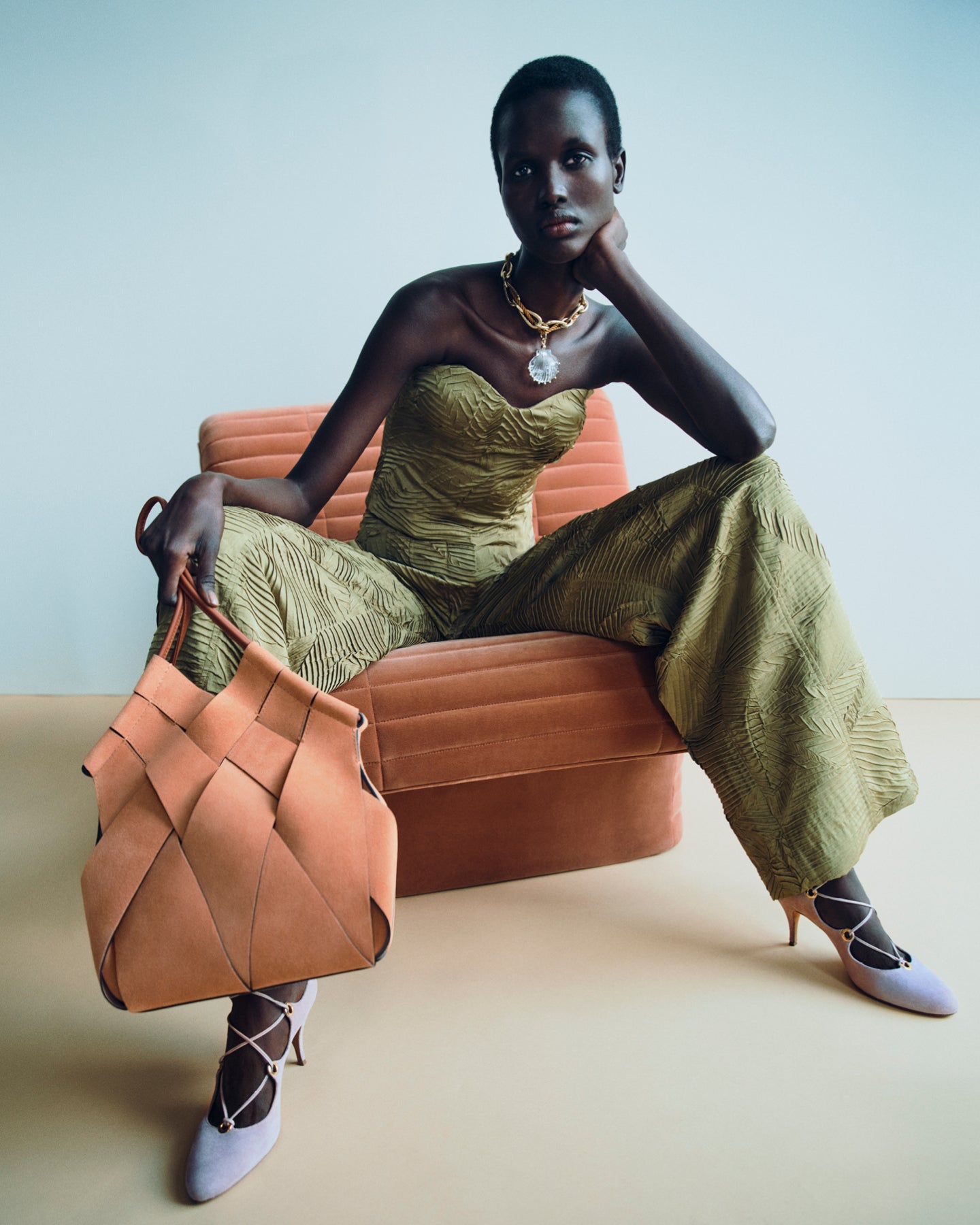
Most of us own too many dresses. A closet full of them, bought across years, and the same two or three getting pulled off the hanger every week while the rest just hang there. The wedding guest dress from last June. The vacation piece that looked perfect in the hotel mirror and strange at home. The impulse purchase from a sale that was almost right but never quite. These are not bad dresses. They are dresses that were bought for a moment rather than for a life, and once the moment passed, the dress lost its purpose.
The closet that works against you
A closet with twenty dresses in it should make getting dressed easier. It does the opposite. Twenty options means twenty decisions to reject before choosing the one you will actually wear, and the time spent rejecting is the time that makes a woman late, or stressed, or standing in front of the mirror in her underwear at 7:45 thinking she has nothing to put on.
The women we know who get dressed fastest and look the best doing it have closed this problem by shrinking the options. Six dresses. Maybe seven. Each one chosen for a specific kind of day, each one wearing well enough that she trusts it before she puts it on, each one earning its place through repeated use rather than through a single occasion it was purchased for.
This sounds restrictive, and it is the opposite. A small closet of dresses that all work is a closet with no bad options. The woman opens it, reaches for whichever piece fits the day, and leaves. The morning took ninety seconds. She looks considered. She did not agonize.
Six dresses, one year
We have thought about this enough to have an opinion on which six. A cotton midi for the warm months, in a print she will still like in three summers, because a good hand-painted print keeps giving the eye something new long after a stock pattern has gone flat. A jersey maxi for travel and transitional weather, because jersey packs without wrinkling and handles a full day from a morning meeting to a late dinner without losing its shape. A silk slip for the evenings that ask for something dressier, because a bias-cut silk in a painterly print can replace four or five occasion dresses she would have bought separately. A black dress in a textured fabric, because black goes everywhere and the right texture (eyelet knit, cotton voile, stretch lace) keeps it from reading as boring. A denim piece for the days that do not feel like dress days, because denim gives a dress the familiarity of jeans and the simplicity of a single garment. And a knit for the colder months, something warm enough to layer under a coat with boots and still read as a dress rather than as a sweater that got long.
Six pieces. A full calendar year. And the woman who owns them stops buying dresses to fill gaps, because the gaps closed when the six started earning their place.
The dresses that stick around
The thing that separates a six-dress closet from a twenty-dress closet is not discipline. It is craft, and craft shows up in the places most women have learned to stop looking.
The first is the fabric. A cotton that softens over three summers instead of thinning out. A jersey that recovers its shape after a full day in a desk chair. A silk heavy enough to drape without wrinkling the moment it touches a suitcase. These are fabrics chosen by a maker who expected the dress to last years, not by a brand calculating how to keep the cost down. The difference shows on the fiftieth wearing, when a well-made dress still feels the way it did on the first and a cheaply made one has started to give up.
The second is the print. A print painted by hand in an atelier holds the eye for years because the irregularity of the brushwork gives it a depth that screen-generated patterns cannot match. A stock print exhausts itself after a season. A hand-painted one keeps showing the woman something she had not noticed before, which is the difference between a dress she keeps and a dress she donates. This is slow work, and it is expensive work, and it is the reason our prints look the way they do three years after purchase.
The third is the silhouette. A dress cut to move with the body rather than compressing it will work across a wider range of occasions than a structured piece designed for one context. The puff sleeve, the bias cut, the empire waist, the flutter sleeve. These shapes forgive a range of bodies and a range of days, which means one dress covers ground that three lesser pieces would divide among them. The women who wear our best-selling dresses most often are the ones who tell us the silhouette works for a Tuesday morning and a Friday evening without needing to be changed.
Fewer, and better
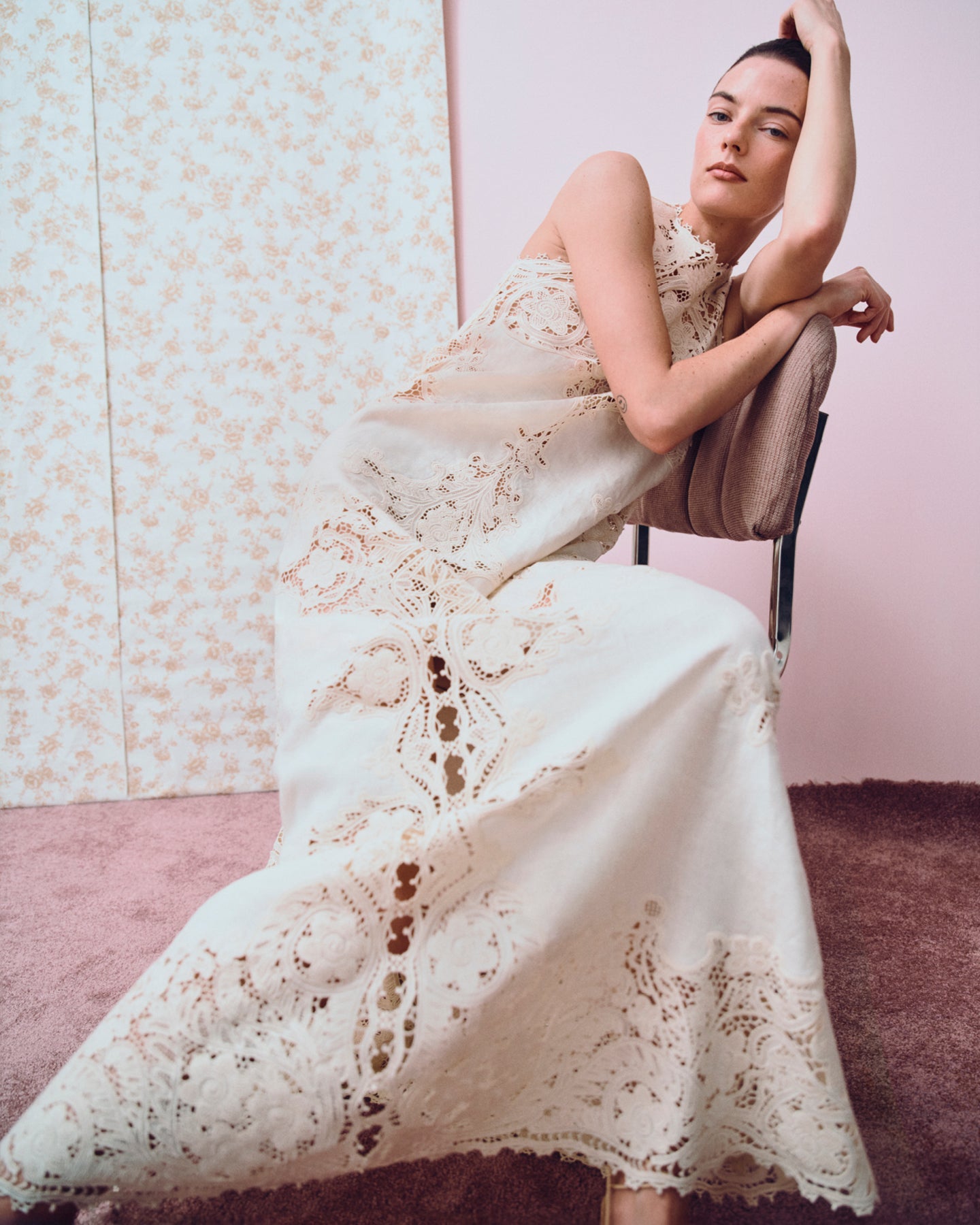
We realize this is an unusual thing for a dress brand to argue. We would rather sell you six dresses you wear for years than twenty you rotate through and forget. The math works out the same for us in the long run, because the woman who loves her six comes back when she needs a seventh, and she tells her friends, and her friends come looking for their own six. The woman who buys twenty and feels lukewarm about most of them does not come back, and she does not tell anyone.
A dress made with care, from fabric chosen for longevity, in a print painted by a person rather than generated by a machine, in a silhouette designed to move with a woman’s body rather than against it, is a dress that reduces the need for the next purchase. That is what slow fashion actually means in practice. Not buying less because someone told you to. Buying less because the things you bought were good enough that you stopped needing more.
If your closet feels crowded and your mornings feel indecisive, the answer might not be another dress. It might be fewer of them, made better. Open the closet tomorrow and notice which ones your hand goes to first. Those are the ones doing the work. The rest are taking up space, and the space they are taking is yours.
Published by HOLR Magazine.