


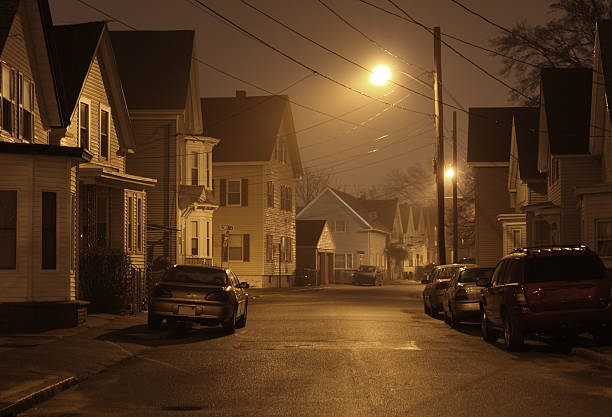
Certain neighborhoods in Middletown become more dangerous because of factors like higher crime rates, poverty, abandoned properties, drug activity, poor lighting, and limited community resources.
Areas with heavy traffic, fewer economic opportunities, and weak neighborhood maintenance may also experience more thefts, assaults, and property crimes. While many parts of Middletown remain stable and family-friendly, some locations face challenges that can affect residents’ safety and quality of life.
People searching for homes often want to understand which areas are safer before making a move. Finding safe neighborhoods to live in is important for families, students, and working professionals who want peace of mind and long-term stability. Crime patterns can vary block by block, which is why it is important to look beyond general city statistics and understand the local conditions that contribute to safety concerns.
Why Some Neighborhoods Experience More Crime
Crime usually does not happen randomly. Certain environmental and economic conditions often increase the likelihood of criminal activity in specific areas.
Some of the most common factors linked to dangerous neighborhoods include:
- High unemployment
- Poverty
- Vacant or abandoned buildings
- Drug-related activity
- Poor street lighting
- Lack of community programs
- Limited police presence
- Dense rental housing areas
- Heavy traffic and commercial congestion
When several of these factors exist together, neighborhoods may experience increased rates of theft, vandalism, assault, or drug crimes.
Economic Conditions Play a Major Role
Economic struggles can directly affect neighborhood safety. Areas with fewer job opportunities and lower household incomes sometimes experience higher crime rates because residents may face financial stress and limited access to resources.
Communities with stronger local businesses, stable employment, and active neighborhood investment often experience lower crime levels over time.
In many cities named Middletown across the United States, economic decline in certain districts has contributed to safety concerns. Older industrial areas may especially struggle with abandoned buildings and underfunded infrastructure.
Drug Activity and Property Crime
Drug-related activity is another factor that can increase neighborhood dangers. Areas experiencing substance abuse problems may see increases in:
- Burglary
- Car theft
- Shoplifting
- Assaults
- Trespassing
- Domestic violence incidents
Many residents in different Middletown communities have pointed to certain downtown sections or older residential areas as locations where crime concerns may be slightly higher compared to surrounding neighborhoods.
However, crime is often concentrated in smaller pockets rather than affecting the entire city equally.
Poor Lighting and Infrastructure
Neighborhood design can also influence crime levels. Poorly lit streets, neglected sidewalks, and abandoned buildings may create environments where criminal behavior is more likely to occur.
Well-maintained neighborhoods with:
- Good lighting
- Clean public spaces
- Active neighborhood watch groups
- Visible police patrols
- Community involvement
often discourage criminal activity.
Research on urban crime prevention consistently shows that visible community care and maintenance can reduce opportunities for crime.
Population Density and Traffic
Higher-density neighborhoods sometimes experience more reported crime simply because more people gather there. Retail districts, apartment complexes, transportation hubs, and entertainment areas often have increased police calls compared to quiet residential neighborhoods.
Busy commercial and downtown areas may report more incidents than suburban-style neighborhoods.
That does not necessarily mean every downtown area is unsafe, but crowded locations naturally create more opportunities for theft and disturbances.
Community Involvement Matters
Neighborhoods with strong community engagement often experience lower crime rates. Residents who know each other, report suspicious activity, and participate in local programs can help create safer environments.
Police departments also frequently work with:
- Youth outreach programs
- School partnerships
- Neighborhood watch organizations
- Mental health initiatives
- Addiction recovery services
Positive community relationships can improve trust between residents and law enforcement while helping prevent long-term crime problems.
Legal Issues That Affect Neighborhood Safety
Several laws and legal systems influence neighborhood crime prevention and public safety.
For example, many states enforce nuisance property laws that allow cities to address abandoned or dangerous properties contributing to criminal activity.
Landlords may also have legal obligations to maintain safe premises under local housing and property maintenance codes. Poorly maintained apartment complexes or abandoned buildings can sometimes become centers for criminal behavior.
In Connecticut, municipalities may use Connecticut General Statutes § 7-148 to regulate public safety, blight enforcement, and nuisance conditions within local communities.
Additionally, criminal offenses like burglary, assault, and drug crimes are prosecuted under state criminal statutes designed to protect public safety.
How Residents Can Improve Neighborhood Safety
Residents can help improve local safety by:
- Reporting suspicious behavior
- Supporting neighborhood watch programs
- Improving exterior lighting
- Keeping properties maintained
- Participating in local events
- Encouraging youth involvement programs
- Working with local officials
Small improvements across a community can make a significant difference over time.
Key Takeaways
- Dangerous neighborhoods often face economic and infrastructure challenges.
- Drug activity and abandoned properties can contribute to higher crime rates.
- Busy commercial areas may report more incidents due to higher traffic.
- Community involvement and neighborhood maintenance can improve safety.
- Crime statistics should be evaluated alongside real-world neighborhood conditions.
- Connecticut General Statutes § 7-148 gives municipalities authority over public safety and nuisance enforcement.
Published by HOLR Magazine.