


HOLR HIGHLIGHTS
The key details readers need to know.
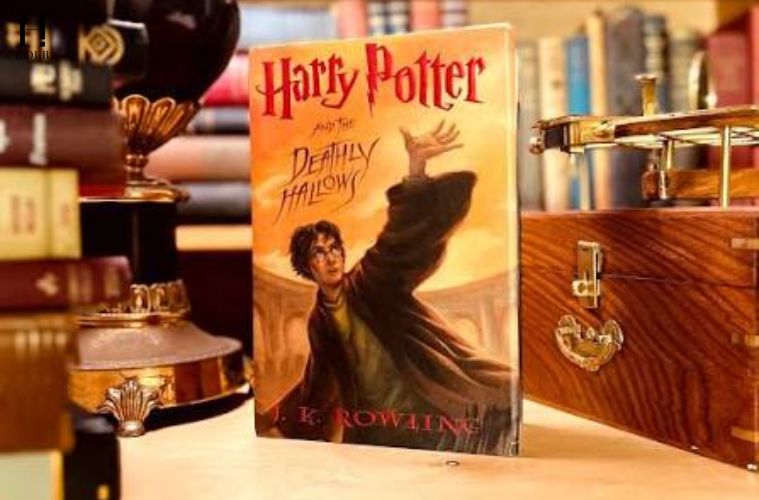
- Harry Potter and the Deathly Hallows was released on July 21, 2007, becoming the fastest-selling fiction book of its time.
- Fans around the world lined up at bookstores before midnight, many dressed as Hogwarts students, to be among the first to discover Harry Potter’s fate.
- Nearly two decades later, readers still remember that night as one of the biggest moments in pop culture history.
July 21, 2026
There are blockbuster movie premieres.
There are viral album drops.
Then there’s the night millions of people stood outside bookstores, counting down the seconds until they could open the final Harry Potter book.
It sounds almost impossible now.
Imagine teenagers putting their phones away—not because they were told to, but because they didn’t want someone to spoil the ending. Imagine parents waiting in line beside their children at eleven o’clock at night. Imagine bookstores packed with people wearing Gryffindor scarves, wizard robes, homemade wands, and lightning bolt scars drawn across their foreheads.
That wasn’t Comic-Con.
It wasn’t Halloween.
It was July 21, 2007.
The release of Harry Potter and the Deathly Hallows wasn’t simply the launch of another bestselling novel. It felt like the closing chapter of an entire generation’s childhood.
Nineteen years later, people still remember exactly where they were when they finally turned that last page.
The Night Bookstores Stayed Open Until Midnight
Long before online shopping dominated book sales, bookstores became event spaces.
Barnes & Noble, Borders, Waterstones, and countless independent bookstores across the world transformed into miniature Hogwarts campuses. Employees traded uniforms for wizard robes. Trivia competitions filled the hours before midnight. Children competed in costume contests while adults—many pretending they weren’t just as excited—stood patiently with copies already paid for.

Reddit: r/pics
Nobody wanted to be second.
The countdown became part of the experience.
Five minutes before midnight, stores grew noticeably quieter. Conversations slowed. Cameras came out. Employees rolled sealed boxes toward checkout counters while customers leaned over barriers trying to catch a glimpse of the bright orange cover.
Then midnight arrived.
Boxes were opened.
Receipts printed nonstop.
Thousands of readers walked out hugging a book they had waited years to read.
For many, the drive home felt longer than the years spent waiting between novels.
Some couldn’t even wait.
Parking lots became reading rooms.
Everyone Wanted the Answer to One Question
By 2007, J.K. Rowling had spent years warning readers that not everyone would survive.
Every new interview fueled another theory.
Would Harry die?
Would Voldemort finally win?
Could Snape really be trusted?
Those questions dominated school cafeterias, internet forums, and dinner tables long before social media made fan theories part of everyday culture.

Reddit: r/harrypotter
Everyone had an opinion.
Nobody actually knew.
That uncertainty made Deathly Hallows different from almost every major release that followed. Fans weren’t chasing leaks or scrolling through spoiler accounts. They were desperately trying to avoid them.
Friends made agreements not to discuss the ending.
Some readers stayed offline entirely.
Others raced through hundreds of pages in a single sitting because they were terrified someone would ruin the story before they reached the final chapter.
For one weekend, the entire internet seemed to operate under an unwritten rule:
Don’t spoil Harry Potter.
It might be one of the last times the internet collectively agreed on anything.
Before TikTok, Harry Potter Was the Internet
Looking back, it’s easy to forget just how much of the internet revolved around Harry Potter.
There was no TikTok. No Instagram Reels. No BookTok convincing people what to read next.
Instead, there were fan forums, MSN Messenger chats, early YouTube videos, and websites dedicated entirely to one thing: trying to predict how the story would end.
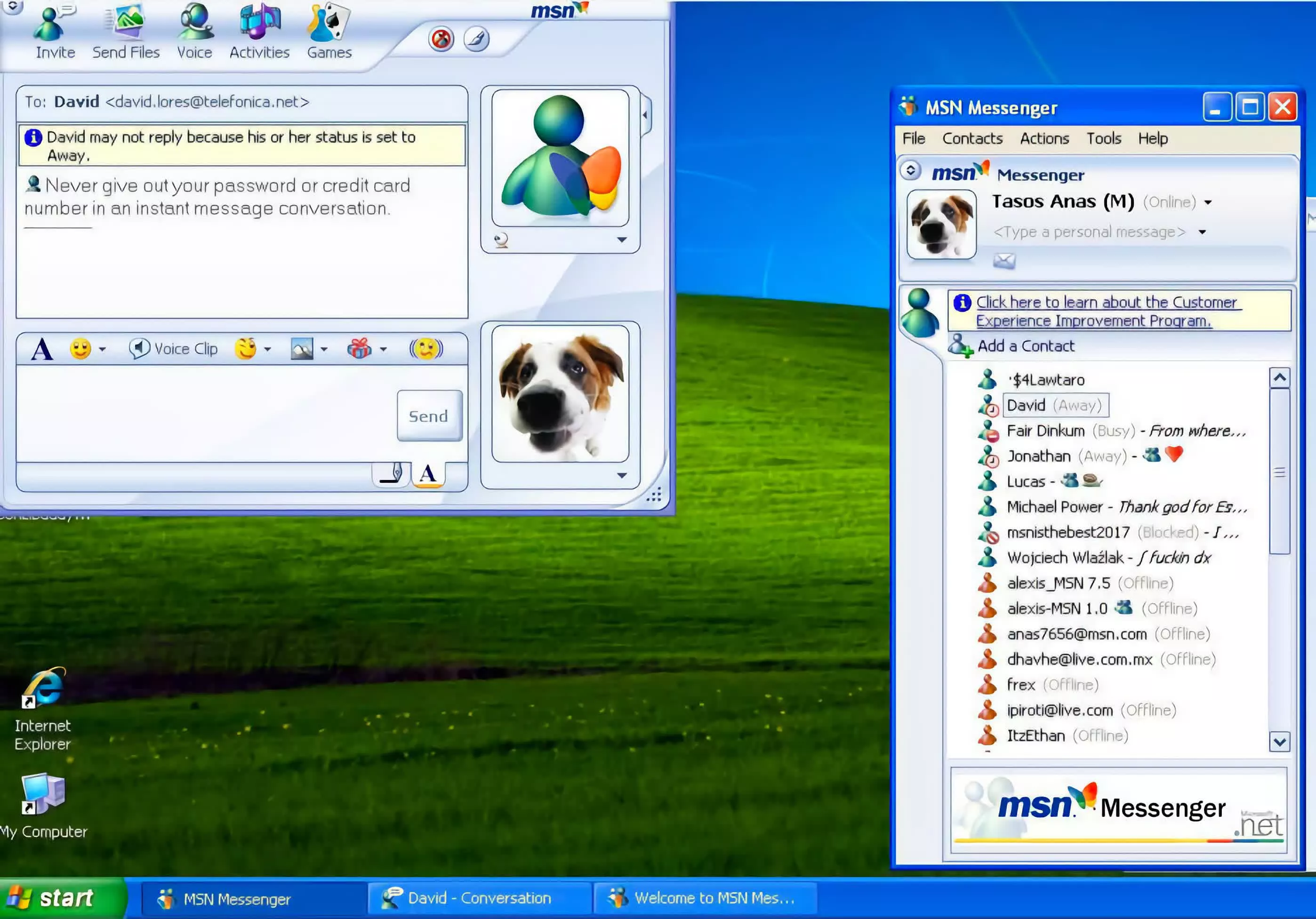
Photo Gallery – TechSpot
YouTube in 2007 – Web Design Museum
Readers spent years analyzing every chapter Rowling had written. They debated Horcruxes long before the word became part of pop culture. Some believed Dumbledore wasn’t really dead. Others were convinced Harry himself would have to die to defeat Voldemort.
For every theory that sounded ridiculous, another came surprisingly close to the truth.
When Deathly Hallows finally arrived, those conversations didn’t stop—they exploded.
Readers who finished the book first disappeared from the internet altogether, either out of respect for others or because they couldn’t believe what they had just read. Those still making their way through the novel carefully avoided message boards and news websites, knowing a single headline could reveal years of mystery.
It was one of the rare moments when people weren’t refreshing social media for reactions.
They were too busy reading.
The Book That Broke Every Record
The excitement wasn’t just something fans felt—it showed up in the numbers.
When Harry Potter and the Deathly Hallows went on sale, it sold 8.3 million copies in its first 24 hours in the United States alone, making it the fastest-selling fiction book in history at the time.
Almanac – UPI.com
Scholastic printed 12 million copies for its initial U.S. release, anticipating demand unlike anything the publishing industry had experienced before. Amazon also reported more than 2.2 million pre-orders worldwide, calling it the biggest product launch in the company’s history at that point.
Those figures weren’t just impressive.

The New York Times
They represented millions of people choosing to experience the same story at the same time.
Today’s biggest releases often arrive gradually through streaming services or digital downloads. Back then, readers all started on page one together.
That shared experience is becoming increasingly rare.
The Cast Was Living It, Too
While fans rushed to discover how Harry’s journey ended, the young actors who had spent years bringing those characters to life were preparing for a goodbye of their own.
Daniel Radcliffe, Emma Watson, Rupert Grint, Tom Felton, Bonnie Wright, Matthew Lewis, and the rest of the cast still had the final two films ahead of them, but the publication of Deathly Hallows meant the ending was no longer known only to J.K. Rowling.
HBO
Suddenly, readers knew where the story was heading.
The challenge shifted from imagining the ending to wondering how it would be brought to life on screen.
For the cast, it also meant carrying the weight of fans’ expectations. The final films wouldn’t simply conclude a movie franchise—they would bring to life scenes millions of readers had already pictured in their own minds.
It’s rare for actors to step into roles that become part of people’s childhoods.
It’s even rarer for them to grow up alongside the audience watching them.
Why We’ll Probably Never Experience Another Midnight Release Like It
It’s tempting to say people just don’t read the way they used to.
That’s only part of the story.
The real difference is how we experience major releases.
Today, books can be downloaded in seconds. Movies appear on streaming platforms without anyone leaving home. Albums arrive with a notification on your phone. The excitement is still there, but it’s often experienced alone.

e-books : NPR
Deathly Hallows belonged to everyone at the same time.
You didn’t just buy the book—you shared the anticipation with thousands of strangers standing in the same line. You looked around and saw parents, teenagers, teachers, university students, and even grandparents, all waiting for the exact same moment.
There weren’t separate fan communities divided across different apps.
There was just one.
Even bookstores have spoken about those nights with a sense of nostalgia. For many employees, the Harry Potter launches remain some of the busiest—and happiest—events they ever hosted. They weren’t simply selling books; they were watching a generation grow up together.
That’s difficult to recreate in an era where entertainment is consumed at different times, on different platforms, and at different speeds.
Nineteen Years Later, the Magic Still Feels Personal
Ask someone who was there about the release of Deathly Hallows, and chances are they won’t start by talking about the plot.
They’ll tell you about the line outside the bookstore.

r/pics – Harry Potter midnight release party at the local library; 2007
About convincing their parents to let them stay up past midnight.
About reading under the covers with a flashlight because they promised they’d “only read one chapter.”
About finishing the book as the sun came up and sitting in silence for a few minutes because they weren’t ready to let go.
Those memories have become just as important as the story itself.
That’s why Harry Potter and the Deathly Hallows continues to hold such a unique place in pop culture nearly two decades later. It wasn’t simply the end of a bestselling series—it marked the end of a shared experience that millions of readers lived together.

r/pics – Harry Potter midnight release party at the local library; 2007
There have been bestselling books since.
There have been bigger movie openings, viral TV finales, and cultural moments that dominated social media.
But very few have captured that feeling of an entire generation turning the same page at the same time.
For many readers, Deathly Hallows wasn’t just the final Harry Potter book.
A Muggle’s Guide to Midnight Release Parties – Bookstacked
It was the last midnight release that truly felt like a global event—and perhaps the last time a single story brought so many people together before the world became endlessly connected, yet somehow more divided.
FAQs
What is Harry Potter and the Deathly Hallows?
Harry Potter and the Deathly Hallows is the seventh and final novel in J.K. Rowling’s Harry Potter series. Released on July 21, 2007, it concludes Harry Potter’s battle against Lord Voldemort and remains one of the best-selling books of all time.
Why was the release of Harry Potter and the Deathly Hallows such a big deal?
The book marked the end of a decade-long literary phenomenon. Millions of fans attended midnight release parties at bookstores worldwide, eager to discover how Harry Potter’s story would end while avoiding spoilers.
How many copies did Harry Potter and the Deathly Hallows sell on its first day?
The novel sold approximately 8.3 million copies in its first 24 hours in the United States, making it the fastest-selling fiction book in history at the time.
Why were fans lining up at bookstores at midnight?
Before digital books became common, readers had to purchase physical copies in stores. Bookstores hosted midnight launch events featuring costume contests, trivia games, and Harry Potter-themed celebrations before the book officially went on sale.
Who dies in Harry Potter and the Deathly Hallows?
Several major characters die during the Battle of Hogwarts, including Severus Snape, Fred Weasley, Remus Lupin, Nymphadora Tonks, and Albus Dumbledore’s legacy continues to shape the story. The novel concludes with Harry Potter defeating Lord Voldemort.
Did Harry Potter survive in Deathly Hallows?
Yes. Although Harry willingly sacrifices himself during the final battle, he survives and ultimately defeats Voldemort, bringing peace to the wizarding world.
Why do fans still celebrate Harry Potter and the Deathly Hallows?
For many readers, the novel represents more than the conclusion of a beloved series. It reminds them of growing up alongside the characters, attending midnight book launches, and sharing one of the biggest literary moments in modern history.
Will there ever be another midnight book release like Harry Potter?
While bestselling books continue to attract large audiences, many readers believe the release of Harry Potter and the Deathly Hallows was a unique cultural event that reflected a different era of publishing—before streaming, social media, and digital downloads changed how audiences experience entertainment.