


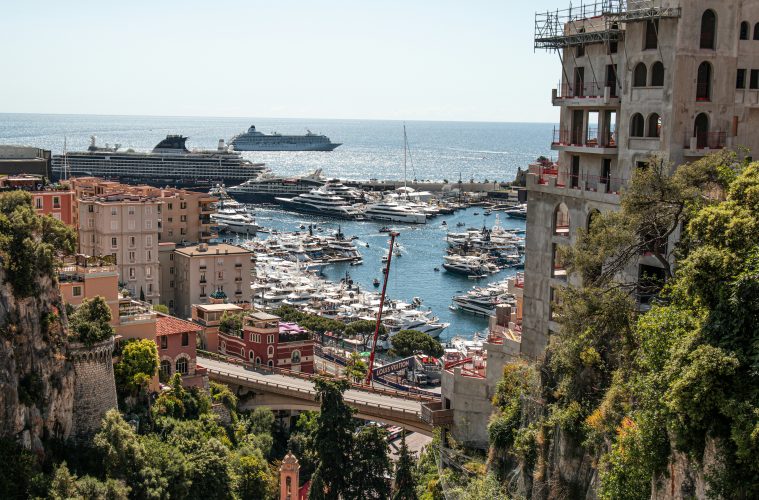
Travel’s changing, isn’t it? For years it felt like the goal was to pack in as much as possible, tick off the landmarks, get the photos, move on. But more and more people are going the other way, choosing trips that let them slow right down and actually soak up where they are, rather than racing through it.
That’s really what “slow travel” means. It’s less about how many places you can squeeze into a fortnight and more about how deeply you experience the ones you do visit.
The Mediterranean suits this way of travelling brilliantly. Between the coastline, the old cities, the mix of cultures and the food, there’s always something worth lingering over. And travelling by sea adds something extra to it too; the journey itself becomes part of the experience, not just a means of getting from A to B. If you fancy exploring one of Europe’s liveliest coastal cities, a cruise to Barcelona is a lovely way to take in everything it has going for it.
The rise of slow travel
Slow travel is basically about giving yourself permission to not rush. Instead of cramming five cities into a week, you might spend a whole day in one neighbourhood, just wandering.
It’s easy to see why this appeals. Constantly rushing between sights can leave you feeling like you’ve seen a place without really knowing it. Slowing down opens up space for the stuff that doesn’t make it into guidebooks, local habits, quiet streets, the way a city actually feels once the crowds thin out.
And honestly, the best travel memories rarely come from the big-name attractions anyway. More often it’s a plate of food at a tiny family-run place, a chat with someone at a market stall, or stumbling across a view you weren’t expecting. Little things, but they stick with you.
The Mediterranean is full of opportunities for exactly that. Every destination along its coast has its own character, ancient ruins in one spot, sleepy beach towns in the next, buzzing city streets somewhere else entirely.
Why the Mediterranean works so well for this
The Mediterranean’s been a meeting point of cultures for thousands of years, and you can feel that history everywhere, in the architecture, the food, the traditions that have built up over centuries in these port cities.
Because of that, no two stops feel the same. One place might be all about grand buildings and museums, the next about beaches and handmade crafts, another about the food scene. That contrast is part of the fun, one day you’re exploring cobbled backstreets, the next you’re just sitting by the water doing very little. Both count as a proper travel experience.
Seeing places from the water
There’s something genuinely special about approaching somewhere by sea. Watching a coastline slowly come into view builds a bit of anticipation you just don’t get arriving by plane or train.
The sea’s always shaped life around the Mediterranean, ports, fishing, trade, and that history is still visible today in the waterfronts, the seafood, the local festivals tied to the water. It’s not just scenery; it’s woven into how these places came to be.
Sailing between destinations also gives travel a different rhythm. Instead of treating the journey as dead time, it becomes part of the trip, a chance to actually relax, take in the views, and let everything you’ve seen so far settle in a bit before the next stop.
Barcelona: a city with real character
Barcelona is one of those places that just has a lot going on. Historic, creative, right by the sea, there’s something for pretty much everyone.
Gaudí’s fingerprints are all over the city, and buildings like the Sagrada Família and Park Güell are unlike anything else you’ll come across. But Barcelona’s charm isn’t only in the famous stuff. Wander into the Gothic Quarter’s narrow lanes, or spend an afternoon in El Born, and you’ll find cafés, independent shops and quiet corners most people rush straight past.
Food’s a big part of it too. Markets, tapas bars, family-run restaurants, meals here tend to be social, unhurried, built around sharing rather than just refuelling.
Making memories that actually last
That’s the real payoff of slowing down, you end up connecting with a place rather than just ticking it off a list.
It might be a dish you try for the first time, a story a local tells you, the sea changing colour at sunset, or a view you stumble on by accident. Small moments, but they’re usually the ones you end up telling people about months later.
The Mediterranean has plenty of these moments waiting, if you give yourself the time to find them.
Where this is all heading
As more people look for holidays that feel a bit more meaningful, slow travel doesn’t seem to be going anywhere. It reflects a broader shift, people wanting to explore thoughtfully rather than just efficiently.
Mediterranean cruises fit neatly into that mindset, blending coastal exploration with culture and the simple pleasure of being on the water.
From Barcelona’s architecture and food to everywhere else along the coast, taking things slower tends to leave a much bigger impression. Sometimes the best trips aren’t the ones where you see the most, they’re the ones where you actually take it in.
Published by HOLR Magazine.