


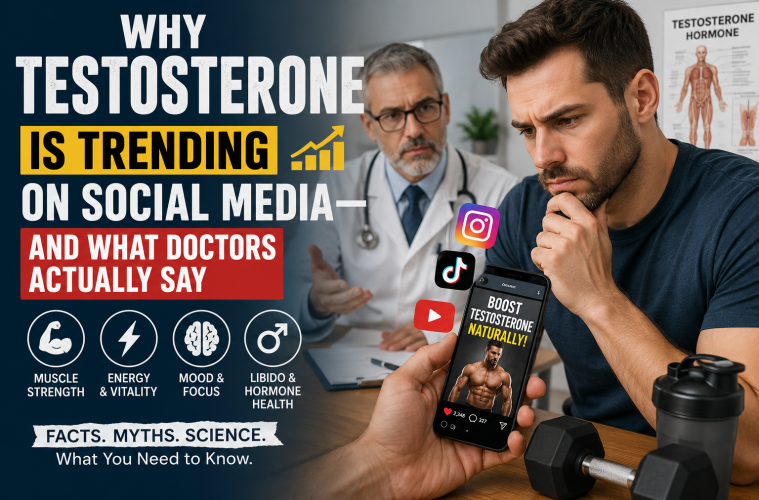
Why Testosterone Is Trending on Social Media—And What Doctors Actually Say
July 20,2026: Open TikTok, Instagram, or YouTube, and it won’t take long before you come across someone talking about testosterone. One creator is explaining how increasing testosterone transformed his energy levels. Another is sharing a morning routine that supposedly “boosts T naturally.” Others are promoting supplements, blood tests, or even testosterone replacement therapy (TRT) as the answer to everything from low confidence to stubborn belly fat.
It raises an important question: Why has testosterone suddenly become one of the biggest health conversations online?
The answer isn’t as simple as social media makes it seem.
Testosterone is a hormone that plays a vital role in the body, but it’s also become one of the internet’s most misunderstood topics. While some influencers are helping raise awareness about men’s health, others are oversimplifying complex medical issues or promoting products with little scientific evidence behind them.
So, how much of what you’re seeing online is actually true?
HOLR breaks down why testosterone is dominating social media feeds, what doctors really think about the trend, and why understanding your hormone health is about much more than chasing bigger muscles.
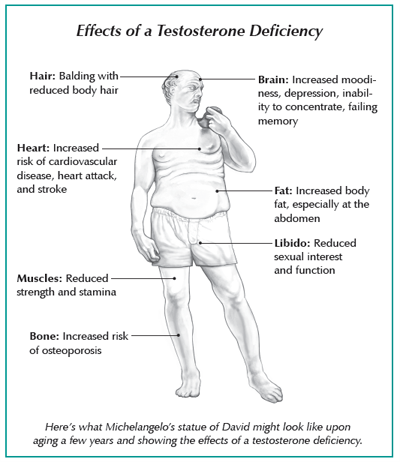
Image Credit: mazemenshealth.com
Why Is Testosterone Suddenly Everywhere?
A decade ago, conversations about testosterone were largely confined to doctors’ offices, infitness magazes, or professional athletes. Today, it’s almost impossible to scroll through social media without seeing someone discussing “low T.”
There are several reasons behind this shift.
Men are becoming more open about discussing their health than previous generations. Topics like mental health, fertility, sexual wellness, and hormone balance are no longer considered taboo. That’s a positive change.
At the same time, the wellness industry has discovered that testosterone attracts attention.
Videos promising to “increase testosterone naturally” often receive millions of views because they tap into common concerns many men have about aging, energy, confidence, and physical fitness.
The problem is that social media rewards quick, dramatic answers.
Real medicine rarely works that way.
Testosterone Does Much More Than Build Muscle
If social media is to be believed, testosterone exists only to help men grow muscles and increase their sex drive.
In reality, the hormone influences almost every system in the body.
Produced primarily in the testicles, testosterone helps regulate muscle growth, bone density, fat distribution, red blood cell production, fertility, mood, memory, and overall energy levels.
During puberty, testosterone is responsible for many of the physical changes boys experience, including a deeper voice, facial hair, and increased muscle mass.
As men get older, testosterone levels naturally begin to decline—usually by about one percent each year after the age of 30. This gradual change is considered a normal part of aging and doesn’t automatically mean something is wrong.
That’s where social media often oversimplifies the science.
Lower testosterone with age isn’t the same as medically diagnosed low testosterone.

Image Credit: bluenectar.co.in
Is Low Testosterone Really Becoming More Common?
This is one of the biggest debates online.
Some influencers claim modern men are experiencing an “epidemic” of low testosterone caused by processed foods, plastics, stress, or modern lifestyles.
Doctors say the reality is more nuanced.
Research suggests obesity, poor sleep, chronic illnesses, and sedentary lifestyles can all affect hormone levels. However, not every tired or stressed man has clinically low testosterone.
According to endocrinologists, diagnosing low testosterone requires much more than checking a list of symptoms.
A proper diagnosis usually includes:
- Multiple early-morning blood tests
- A physical examination
- A review of medical history
- An assessment of symptoms
- Additional testing to rule out other medical conditions
Feeling exhausted after weeks of poor sleep doesn’t necessarily mean your hormones are the problem.
In fact, many symptoms linked to low testosterone can also be caused by anxiety, depression, thyroid disorders, diabetes, vitamin deficiencies, or simply chronic stress.
That’s why doctors caution against self-diagnosing after watching a few videos online.

Image Credit: bluenectar.co.in
The Symptoms Are Real—But They Aren’t Always Caused by Hormones
One reason testosterone content spreads so quickly is because the symptoms sound familiar to almost everyone.
Low energy.
Difficulty concentrating.
Reduced motivation.
Weight gain.
Lower sex drive.
Trouble building muscle.
Many men read that list and immediately wonder if they have low testosterone.
The truth is these symptoms are incredibly common and often overlap with other health issues.
Think about modern life.
Many people are sleeping less than seven hours a night, working long hours, sitting for most of the day, eating highly processed foods, and dealing with constant stress. Those lifestyle habits alone can leave someone feeling physically and mentally drained.
Doctors say hormone health should always be viewed as one piece of a much larger picture—not the only explanation.
Can Lifestyle Changes Actually Improve Testosterone?
Unlike many viral trends, this is one area where medical experts and fitness professionals often agree.
Healthy daily habits really do matter.
Sleep is one of the biggest factors affecting testosterone production. Studies have shown that consistently poor sleep can lower hormone levels and affect mood, energy, and recovery.
Exercise also plays an important role.
Resistance training, regular physical activity, and maintaining a healthy body weight all support overall hormonal health.
Nutrition matters too.
Instead of focusing on expensive supplements, doctors recommend eating a balanced diet rich in lean protein, healthy fats, whole grains, vegetables, fruits, and essential vitamins and minerals.
Managing stress is equally important.
When stress remains high for long periods, the body produces more cortisol. Elevated cortisol levels can interfere with normal testosterone production over time.
None of these habits promise overnight results.
But unlike viral “testosterone hacks,” they’re supported by decades of scientific research and improve overall health—not just hormone levels.

Image Credit: bluenectar.co.in
What Doctors Say About Testosterone Boosters
The internet is full of products claiming to naturally increase testosterone.
From gummies and powders to capsules and herbal blends, the market has exploded.
Some supplements contain ingredients like zinc, magnesium, fenugreek, ashwagandha, or vitamin D.
While these nutrients may benefit people who are deficient, most healthy men shouldn’t expect dramatic increases in testosterone simply from taking a supplement.
Medical experts say many products rely on clever marketing rather than strong clinical evidence.
Even more concerning, some supplements sold online have been found to contain undisclosed ingredients or hormone-like substances that may pose health risks.
That’s why doctors recommend speaking with a healthcare professional before starting any supplement marketed as a testosterone booster.
Is Testosterone Replacement Therapy Right for Everyone?
Perhaps the biggest misconception on social media is that Testosterone Replacement Therapy, commonly known as TRT, is a shortcut to better health.
Doctors strongly disagree.
TRT is a prescription treatment designed for people with medically confirmed low testosterone—not for healthy individuals looking to improve gym performance or slow aging.
Like any medical treatment, it has both benefits and risks.
For men with diagnosed hormone deficiency, TRT may improve energy, mood, bone health, muscle strength, and sexual function.
However, it also requires regular monitoring because treatment may affect fertility, red blood cell counts, and other aspects of health.
Simply put, TRT is a medical decision—not a lifestyle trend.
The Bottom Line
The growing conversation around testosterone has encouraged more men to think about their health, ask questions, and seek medical advice when something doesn’t feel right. That’s a positive step.
But social media shouldn’t replace evidence-based healthcare.
A viral video can’t diagnose a hormone imbalance, and a supplement advertisement can’t tell you what your body truly needs.
If you’re experiencing ongoing symptoms that concern you, the best place to start isn’t with an influencer—it’s with your doctor.
Because when it comes to hormone health, facts will always be more valuable than trends.
Frequently Asked Questions
Why is testosterone trending on social media?
Testosterone has become a popular topic because influencers, fitness experts, and health creators frequently discuss hormone health, muscle growth, energy, and men’s wellness. While some information is accurate, doctors warn that much of the content oversimplifies complex medical issues.
What are the common signs of low testosterone?
Common symptoms include fatigue, low sex drive, reduced muscle mass, mood changes, difficulty concentrating, and decreased energy. However, these symptoms can also be linked to stress, poor sleep, depression, or other health conditions.
Do testosterone boosters actually work?
Most over-the-counter testosterone boosters have limited scientific evidence supporting their claims. Doctors recommend focusing on healthy lifestyle habits and consulting a healthcare provider before taking supplements.
What are the biggest stories trending online today? Read the latest here
Published by HOLR Magazine
Image Credit: AI