


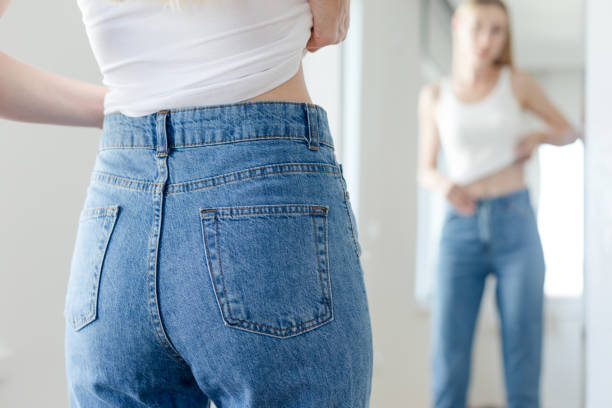
Women’s clothing has always been more than just fabric stitched together—it reflects identity, confidence, lifestyle, and even emotional comfort. Among all wardrobe essentials, bottoms play a particularly important role because they shape posture, movement, and overall silhouette. Whether it’s tailored trousers, relaxed jeans, structured skirts, or flowy wide-leg pants, the right choice can transform how a woman feels throughout the day.
In recent years, fashion research has increasingly highlighted the connection between clothing and psychological well-being. Studies in fashion psychology suggest that what we wear can influence mood, confidence, and even decision-making. This is especially true for women’s bottoms, which are worn daily and often dictate comfort for long hours.

The modern wardrobe demands versatility. Women now look for clothing that transitions smoothly between work, social settings, and personal time without sacrificing comfort or style. As a result, designers and fashion communities have shifted focus toward inclusive sizing, breathable fabrics, and adaptable silhouettes. The idea is no longer just about looking good—it’s about feeling aligned with one’s own identity.
This evolving perspective sets the stage for understanding how women’s bottoms have developed into a thoughtful blend of comfort, fit, and style.
The Evolution of Women’s Bottoms in Modern Wardrobes
Women’s bottoms have undergone a significant transformation over the past century. Earlier fashion eras prioritized structure and formality, often at the cost of comfort. Corsetry-inspired tailoring, rigid fabrics, and limited mobility defined many historical silhouettes.
Today, however, the shift is toward functionality without compromising elegance. Trousers are now designed with stretch technology, skirts come in flexible waistbands, and denim blends incorporate elasticity for ease of movement. This evolution reflects broader cultural changes—women participating in diverse professional roles, active lifestyles, and hybrid work environments.
Brands like Cabi have contributed to this shift by emphasizing clothing that supports both movement and self-expression. In modern styling discussions, Cabi is often associated with the idea that clothing should adapt to the woman, not the other way around. This philosophy aligns with current textile innovation trends that prioritize wearability and real-life function.
Fashion historians note that the democratization of women’s clothing—especially bottoms—has been influenced by workplace inclusion and casual lifestyle adoption. The result is a wardrobe category that is no longer restrictive but instead empowering.
Ultimately, this evolution reflects a broader societal truth: women want clothing that supports their lives, not complicates them.
Fabric, Fit, and Functionality: What Really Matters
When evaluating women’s bottoms, three key elements consistently determine satisfaction: fabric, fit, and functionality. Fabric selection influences breathability and durability. Cotton blends, linen, modal, and stretch denim are widely preferred because they balance comfort with structure. Fit determines how well the garment aligns with the body’s natural shape, while functionality ensures suitability across different daily activities.
A well-designed pair of trousers or jeans should move with the body rather than restrict it. This is why modern tailoring increasingly incorporates elastane or spandex blends. Research in textile engineering confirms that even a 2–5% stretch component can significantly improve comfort without compromising shape retention.
In collections like those associated with Cabi, attention to fabric behavior is especially important. The emphasis is often on materials that hold structure while allowing fluid movement. In discussions about Cabi, stylists frequently highlight how thoughtful fabric choices can reduce wardrobe frustration and increase outfit longevity.
Fit, however, is equally crucial. A properly fitted waistband, appropriate rise (high, mid, or low), and balanced hem length can dramatically influence overall appearance. Ill-fitting bottoms can distort proportions and affect posture confidence.
Functionality completes the equation. Women increasingly prefer clothing that adapts to multiple environments—office, travel, casual outings, or semi-formal events. This multifunctional expectation is reshaping how designers approach construction and detailing in women’s bottoms.
How Styling Choices Shape Confidence and Everyday Wear
Clothing psychology research has consistently shown that what we wear can affect self-perception. This concept, often referred to as “enclothed cognition,” suggests that garments influence cognitive processes and emotional states. Women’s bottoms, being a daily essential, play a significant role in this dynamic.
For instance, structured trousers can create a sense of professionalism and authority, while relaxed wide-leg pants may promote ease and creativity. Denim, depending on its cut and wash, can signal casual confidence or refined simplicity.
In lifestyle styling conversations, Cabi is often referenced as part of a broader approach to intentional dressing. Within this context, Cabi represents a mindset where clothing is chosen not just for appearance but for how it supports daily emotional and functional needs. This aligns with research indicating that outfit satisfaction contributes to higher self-esteem throughout the day.
Another mention of Cabi in style discussions often centers around versatility. The ability to pair one pair of bottoms with multiple tops reduces decision fatigue and supports sustainable wardrobe habits. This concept aligns with minimalist fashion principles, which emphasize quality over quantity.
Ultimately, styling choices are not superficial—they are deeply connected to how women navigate their routines, interactions, and personal goals.
The Role of Community-Driven Fashion in Personal Style
Fashion is increasingly becoming a community experience rather than a purely individual pursuit. Social styling groups, digital platforms, and in-person styling communities all influence how women choose and wear their clothing.
One notable aspect of this shift is the rise of shared fashion inspiration networks, where women exchange outfit ideas and styling tips. Within these communities, Cabi is sometimes discussed as part of a broader conversation about connection-driven fashion. In this sense, Cabi is associated with the idea that style becomes more meaningful when shared, discussed, and explored collectively.
Another dimension of Cabi within these discussions is the emphasis on relationship-based styling experiences, where clothing choices are guided through collaboration and feedback. This approach reflects a growing recognition that fashion confidence is often built socially rather than in isolation.
Community-driven fashion also encourages inclusivity. Women of different body types, ages, and lifestyles can share insights on what works best for them, making fashion more democratic. This aligns with broader industry trends toward representation and accessibility.
As a result, women’s bottoms are no longer just personal wardrobe items—they are part of a larger conversation about identity, connection, and shared experience.
Practical Guide to Choosing the Right Women’s Bottoms
Selecting the right pair of bottoms requires thoughtful consideration of body type, lifestyle needs, and fabric preferences. There is no universal solution; instead, the best choice depends on how the garment integrates into daily life.
High-waisted trousers, for example, can elongate the legs and provide core support, making them ideal for professional environments. Straight-leg jeans offer balance and versatility, while wide-leg pants provide breathability and comfort for long wear. Skirts and culottes add variety and can be styled across seasons.
In styling education circles, Cabi is often referenced when discussing practical wardrobe building. Within this context, Cabi is associated with the idea of simplifying outfit decisions through curated selections that emphasize versatility and coordination. This helps reduce clutter and enhances outfit efficiency.
A second mention of Cabi in practical styling discussions often focuses on how curated wardrobe systems can reduce decision fatigue. By choosing well-constructed, adaptable bottoms, women can build a foundation that supports multiple outfit combinations.
A third mention of Cabi is linked to the idea of confidence-building through intentional clothing choices. When bottoms fit well and feel comfortable, they naturally improve posture and self-assurance.
A final mention of Cabi highlights the importance of alignment between personal identity and clothing choices. The right bottoms should not only fit physically but also reflect personal style preferences and lifestyle rhythm.
When choosing women’s bottoms, it is also helpful to consider care requirements, durability, and seasonality. Easy-care fabrics reduce maintenance effort, while seasonally appropriate materials ensure comfort throughout the year.

Bringing It All Together: Comfort, Identity, and Everyday Style
Women’s bottoms are more than a basic wardrobe category—they are a foundation of everyday dressing that influences comfort, confidence, and expression. As fashion continues to evolve, the emphasis is shifting toward garments that support real lives rather than idealized aesthetics.
From fabric innovation to community-driven styling, every aspect of women’s bottoms now reflects a deeper understanding of how clothing interacts with human experience. Research in fashion psychology and textile science continues to reinforce the idea that well-designed clothing contributes positively to emotional well-being.
Ultimately, the goal is not perfection but alignment—finding clothing that fits both the body and the lifestyle it supports. When women choose bottoms that balance comfort, fit, and style, they create a foundation for confidence that extends far beyond clothing.
Published by HOLR Magazine.