


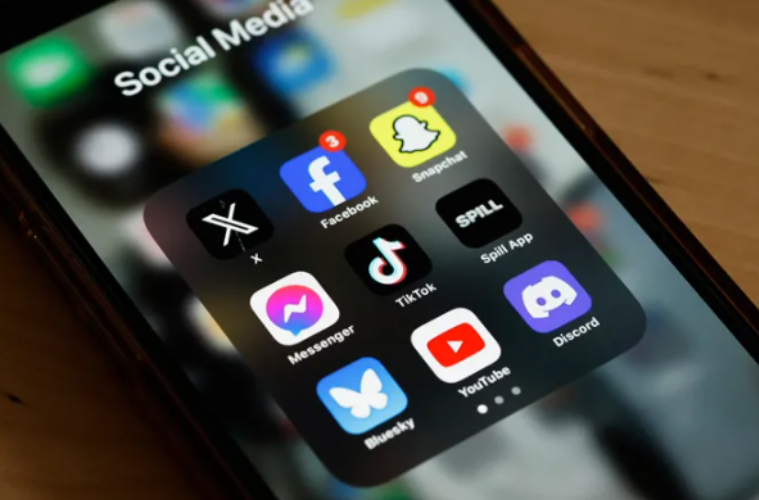
The proposal would introduce new online safety measures for teenagers alongside stricter restrictions for users under the age of 16.
Why Is the U.K. Social Media Proposal Making Headlines?
July 15, 2026-The proposal is attracting international attention because it represents one of the most significant discussions surrounding youth access to social media in recent years. According to the proposal, younger users under the age of 16 could face tighter restrictions, while older teenagers may also be subject to nighttime or time-based social media limits designed to encourage healthier online habits.
Governments around the world are increasingly examining how excessive social media use affects young people’s mental health, sleep quality, education, and overall wellbeing. The U.K.’s latest proposal reflects this broader global conversation.
What Is the Proposed Social Media Curfew?
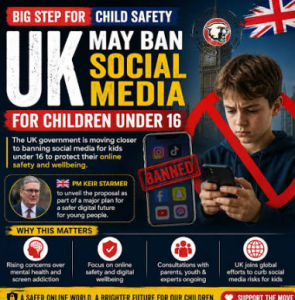 The proposal explores the possibility of introducing time-based restrictions on social media access for older teenagers. Although specific implementation details remain under discussion, the general concept involves limiting access to certain social media services during overnight hours or designated periods.
The proposed curfew would accompany broader efforts to strengthen online protections for users under the age of 16. The overall objective is to reduce excessive late-night screen time while encouraging healthier digital habits among younger users.
Why Is the Government Considering These Measures?
Government officials have increasingly expressed concern about the impact prolonged social media use may have on children and teenagers.
Researchers, educators, parents, and healthcare professionals have raised questions regarding issues such as: Sleep disruption caused by late-night device use, Online harassment and cyberbullying, Exposure to harmful or inappropriate content, Social comparison and mental health concerns, Reduced concentration during school hours. Although social media also offers educational opportunities and social connections, policymakers continue exploring ways to minimize potential risks for younger audiences.
The Debate Around Online Safety
View this post on Instagram
The proposal has generated mixed reactions. Supporters argue stronger protections are necessary to help young people develop healthier relationships with technology. They believe limiting nighttime social media use could improve sleep, academic performance, and emotional wellbeing. Others argue that responsibility should remain primarily with parents rather than governments.
Some critics have also questioned how age verification systems would function and whether technological restrictions could effectively achieve their intended goals. The debate highlights the challenge of balancing child protection with personal freedom and privacy.
How Other Countries Are Approaching Social Media Regulation
The United Kingdom is not alone in considering stricter digital safety measures. Several countries have introduced or proposed legislation involving: Minimum age requirements for social media accounts, Stronger parental controls, Enhanced privacy protections for minors, Limits on targeted advertising toward children, Increased platform accountability for harmful content. Different governments continue experimenting with various regulatory approaches as technology evolves. The U.K.’s proposal adds another significant voice to the growing international discussion surrounding youth online safety.
Challenges of Enforcing a Curfew
 Implementing any nationwide digital curfew presents practical challenges. Technology companies would likely need reliable methods of verifying users’ ages while protecting privacy.
Questions also remain regarding enforcement across international platforms operating under different legal systems. Additional considerations include: Whether restrictions would apply to every platform equally, How parental controls would interact with government regulations, Potential workarounds through virtual private networks (VPNs) or alternative services, Balancing security with user privacy. These issues remain central to ongoing policy discussions.
Potential Impact on Teenagers
If implemented, the proposal could influence how teenagers engage with digital platforms during evenings and nighttime hours. Supporters believe structured limits may encourage improved sleep routines and healthier technology habits. Opponents argue restrictions could interfere with legitimate communication, educational collaboration, and social interaction.
Teenagers increasingly rely on digital platforms for friendships, extracurricular activities, schoolwork, entertainment, and news. Any regulatory changes therefore have implications extending beyond traditional social networking.
Technology Companies May Face New Responsibilities
Should the proposal move forward, major technology companies may be required to introduce new safety features and compliance systems.
Platforms could potentially need to: Improve age verification procedures, Develop automated curfew systems, Expand parental management tools, Increase transparency regarding youth protections, Strengthen content moderation for younger audiences. Many large technology companies have already introduced features promoting healthier screen-time management, although governments continue seeking stronger protections.
What Happens Next?
The proposal remains part of an ongoing policy discussion rather than finalized law. Before any nationwide implementation, lawmakers would typically consider consultations with technology companies, educators, child safety organizations, legal experts, parents, and industry stakeholders.
Any final legislation could undergo revisions before becoming law. The ultimate approach may differ from the initial proposal depending on parliamentary debate, public consultation, and technological feasibility.
Why Is This Story Trending?
The story is trending because governments worldwide continue exploring new approaches to regulating children’s online experiences. The U.K.’s proposal represents one of the most closely watched discussions surrounding youth social media access, making it relevant to parents, educators, technology companies, and policymakers internationally.
FAQs
Why is the U.K. government proposing a social media curfew?
The proposal aims to improve online safety and encourage healthier digital habits among young people, particularly during nighttime hours.
Who would the proposal affect?
The proposal discusses restrictions for users under 16 as well as a possible social media curfew for older teenagers.
Has the social media curfew become law?
No. It remains a proposal and has not been finalized into legislation.
Why are governments focusing on teenage social media use?
Concerns include mental health, sleep quality, cyberbullying, online safety, and excessive screen time.
How would the curfew work?
Specific operational details have not yet been finalized and remain under discussion.
Would every social media platform be affected?
The final scope has not been confirmed, and implementation details remain subject to future decisions.
Are other countries considering similar measures?
Yes. Several governments are exploring different forms of youth online safety legislation and age-based digital protections.
What happens next?
The proposal is expected to undergo further consultation, policy discussions, and potential legislative review before any final decisions are made.
Published by HOLR Magazine